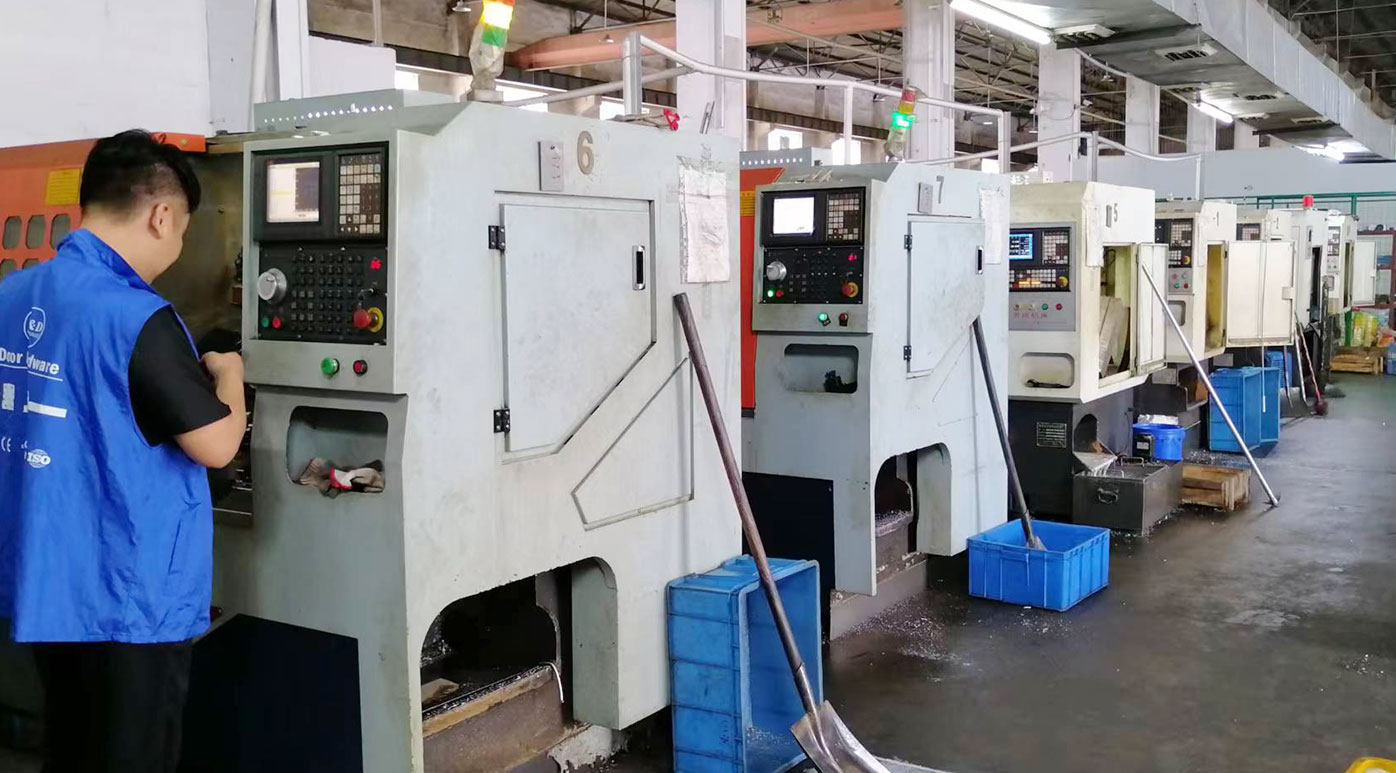
The commercial hardware supply chain is changing. In 2026, buyers skip traditional distribution routes to get ahead. Buying straight from a trusted commercial door hardware manufacturer like D&D Hardware saves money, offers direct technical help, and allows custom orders.
Risks exist. Unchecked overseas factories and fake products are real dangers. This guide gives a clear step-by-step plan to lower those risks and get quality items.
Know your needs first. Then check possible commercial door suppliers closely. Compare prices and work out shipping terms. Plan for long-term support. With this plan, you can buy door hardware with confidence. Whether you need door hardware wholesale suppliers or a commercial door distributor, the right method protects your money. Avoid buying door hardware from wholesalers you have not checked. Buying commercial doors needs the same care. Wholesale suppliers differ in quality. Pick manufacturers who focus on certification and openness.
Key Takeaways
First, figure out what your project needs. Write down the door types, how they are used, and their fire ratings.
Check the manufacturer's certifications. Confirm them using official databases.
Check how well the factory checks quality. Ask to see their inspection logs and test results.
Compare the full price. Add shipping, taxes, and surprise charges.
Negotiate clear terms. Agree on payment steps and understand your Incoterms.
Ask for all the paperwork. Request guides, forms, and ANSI/BHMA codes.
Plan for spare parts. Order extras with your first shipment.
Work to build a long-term partnership. Pick a manufacturer that will support you.
Know What Your Door Hardware Needs
Before you talk to any maker, you need to know what your project needs. This step decides everything after. A careful check of your doors and how they work stops costly errors. You cannot bargain well or compare prices without clear specs.
Look at Door Types and How They Work
Start by listing every door in your project. Each type needs different hardware. Metal doors, made from steel sheets with inside supports, stop impacts and break‑ins. You find them in stairwells, utility areas, and service entries. Their fire‑rated versions need careful attention to labels and code rules. Wood doors fit offices and schools where looks matter. How well they work depends on the core material, like particleboard, stave lumber, or mineral core. Glass doors give high visibility at store entrances. They let in light and offer a clear view but need extra security.
Think about how each door is used. A busy hospital hallway door opens hundreds of times a day. A private office door may open only a few dozen times. These differences decide the grade of hardware you need. ANSI/BHMA grades sort hardware by performance. Grade 1 hardware can handle at least 250,000 cycles. Most commercial buildings need this grade. A professional supplier like D&D Hardware can help you match products to your traffic and security needs.
Know Fire Ratings and Accessibility Rules
Fire‑rated doors need special care. These doors must stay shut and latched during a fire. Most locks have fire‑rated latch options, often with a 3‑hour rating. Double doors may have latches with 90‑, 60‑, or 20‑minute ratings based on the lock type and opening size. For fire‑rated doors, UL 10C is the main fire test standard for North American building codes. You need a UL‑listed door closer, a lock that latches well, and UL‑listed hinges, all tested together.
Accessibility rules add more requirements. The ADA sets rules for lock height, the force to turn a lever, and avoiding pinching or hard gripping. Most lever designs meet the force rules. Bigger thumbturns are available to follow the rules. Fire doors are often exempt from the ADA's 5 lbf maximum opening‑force rule for interior doors. Keeping the self‑closing function is more important for safety. But non‑fire‑rated interior doors must follow the 5 lbf rule. When buying commercial doors, check that every part meets both fire and access rules.
Choose Finishes and Materials That Last
The material you pick affects how long your hardware lasts. Stainless steel grades SS304 and SS316 are common in commercial use. SS304 resists oxidizing acids well and works in normal indoor spaces. It can handle frequent cleaning and daily wear. SS316 adds molybdenum, which helps it resist pitting and rust. This makes it good for coastal areas, hospitals, and food service places where chlorine and strong cleaners are used.
Property | SS304 | SS316 |
|---|
Corrosion Resistance | Good for oxidizing acids; can pit in places with chlorine | Better at resisting pitting and rust because of molybdenum |
Durability | Tough for normal spaces; handles frequent cleaning | More durable in harsh conditions; lasts longer |
SS316 allows more cleaning without damage. This matters for hardware that must be cleaned often. The higher cost of SS316 is worth it because you replace it less in tough settings. SS304 is cheaper for indoor, mild spaces like office doors. A maker that cares about quality will offer both grades and explain the differences. D&D Hardware uses high‑grade materials like SS304 and SS316 to ensure durability and rust resistance. Your choice should match the place where the hardware will be used.
Vet Your Commercial Door Hardware Manufacturer
Not every manufacturer that offers low prices delivers the same level of quality. You need a partner that proves its capabilities with certifications, a solid reputation, and transparent production processes. D&D Hardware stands as an example of a vetted commercial door hardware manufacturer. With 18+ years of experience, headquarters in China, and long‑standing relationships across Europe, the Middle East, and America, this manufacturer shows what to look for. Let's examine the key steps you should take when vetting any supplier.
Checking Certifications and Industry Compliance
Certifications are the first proof that a manufacturer meets legal and performance requirements. A legitimate commercial door supplier must be transparent about its testing processes. D&D Hardware holds certifications like BS EN, CE Mark, UL Listed, and ANSI/BHMA. These standards serve different purposes, and you need to understand what each one covers.
Aspect | CE Marking | UL Certification | ANSI/BHMA |
|---|
Primary Purpose | Legal market access (EU) | Fire & life safety listing | Mechanical performance benchmark |
Legal Requirement? | Yes — mandatory in EEA | No, but code‑driven (AHJ) | No — voluntary |
Fire Testing Standard | EN 1634 | UL 10C | Not the primary focus |
Evaluation Approach | System‑based (assembly) | System‑based (assembly) | Component‑based |
Primary Market | Europe / Middle East | North America / Global | North America |
Verification Method | Declaration of Performance + Notified Body number | UL Product iQ database search | BHMA certified product directory |
These three systems are complementary, not interchangeable. ANSI/BHMA Grade 1 door hardware does not satisfy CE marking for European fire doors, and CE‑marked hardware does not automatically meet UL fire safety listing for North American projects. When you buy direct from a manufacturer, always request copies of the actual certificates and verify them against the issuing body's online database. D&D Hardware provides these records openly, showing a commitment to quality and compliance.
For fire‑rated projects, fire‑rated door handles must resist fire for a specified duration. Seek UL certification or other relevant certifications that demonstrate compliance. Door hardware used on fire‑resisting doors in the European Economic Area must carry CE marking under the Construction Products Regulation (EU) No. 305/2011. UL certification is the most widely recognized fire safety listing in North America and is increasingly required on international projects. Even though ANSI/BHMA is voluntary, architects and engineers specify it for high‑traffic commercial environments because it measures long‑term durability. A manufacturer with all three shows it can serve global markets.
Evaluating Experience and Market Reputation
Certifications alone do not guarantee reliability. You also need to evaluate how long the manufacturer has been in business and what kind of clients it serves. D&D Hardware has operated for more than 18 years, building a global client base that spans:
Commercial buildings: offices, shopping malls, airports
Institutional facilities: schools, hospitals, government buildings
Residential projects: apartment complexes, high‑end housing
Hospitality: hotels and resorts
Serving such a wide range of sectors tells you the manufacturer understands diverse code requirements and usage patterns. A reputable manufacturers will also share case studies, client testimonials, and references. When you talk to a prospective supplier, ask for the names of three clients in similar industries to yours. Then contact those clients to ask about on‑time delivery, after‑sales support, and product consistency. D&D Hardware's long‑lasting relationships with customers across different continents demonstrate a track record of meeting expectations.
Conducting Factory Audits and Quality Checks
Even the best certifications mean little if the factory cannot replicate quality at scale. A thorough factory audit examines the entire production process. Look for a manufacturer that follows a structured quality control system. One effective framework includes five critical checkpoints:
Incoming Material Inspection – Raw materials and purchased parts are verified against specifications before production begins.
First Article Inspection – The first manufactured part is checked in detail to confirm machine setup and tooling match engineering drawings.
In‑process Patrol Inspection – Regular, timed checks (e.g., every 2 hours) monitor critical dimensions and process consistency during production.
Sampling Inspection and Gauge Control – Special fixtures and gauges are used at defined checkpoints, especially after plating and during assembly, to catch dimensional shifts.
100% Final Inspection – Every finished product is checked for appearance, function, and assembly integrity before shipment.
A comprehensive quality inspection plan should incorporate three key stages to manage risk at different points:
Pre‑Production Inspection: Verifies materials, tooling, and factory readiness before production starts
During Production Inspection: Identifies process drift, workmanship issues, or material mismatches early while the lot is being manufactured
Pre‑Shipment Inspection: Samples from a shipment‑ready lot to confirm final quality, packaging, and labels
Acceptable Quality Limit (AQL) is an international statistical standard (ISO 2859‑1) used during final inspections. It determines the sample size from a batch and the maximum number of allowed defects before the entire batch is rejected. For mission‑critical components where zero defects are required, manufacturers abandon random sampling and employ piece‑by‑piece inspection (100% sorting), often using non‑destructive testing like X‑Ray or Liquid Penetrant Testing to guarantee absolute certainty.
When you audit a factory, ask to see records from all five checkpoints. D&D Hardware maintains these records and allows buyers to review them. This level of transparency confirms the manufacturer delivers quality products consistently. By vetting the manufacturer thoroughly, you protect your project from substandard hardware and costly delays.
Request Quotes and Compare Pricing Models
Buying direct from a known maker like D&D Hardware removes distribution markups. This model gives you competitive prices that match what the factory charges, not middleman margins. To get the best deal, you need to understand how manufacturers make their quotes. You must look past the unit price. Wholesalers often hide costs in different places. A simple quote from one source saves you time and money.
Understanding Minimum Order Quantities and Tiers
Every factory sets a minimum order quantity to pay for setup and tooling costs. These MOQs are different for each product. Standard door handles from door hardware wholesale suppliers start at 500 pieces. White‑label smart locks need fewer pieces. You can order 50 to 100 units if you use standard packaging.
Product Category | MOQ Range | Pricing Tier Notes |
|---|
Door Handles (Standard) | 500 - 2,000 units | Material costs: Aluminum $0.98-$10, SS304 $8-$87.50 |
Smart Locks (White‑label) | 50 - 100 units | Price per unit goes down as volume goes up |
Smart Locks (Custom Logo) | 200 - 300 units | Price per unit goes down as volume goes up |
Smart Locks (Full Custom Packaging) | 500 - 1,000 units | Price per unit goes down as volume goes up |
When you need custom branding or special finishes, expect the MOQ to go up. A commercial door supplier like D&D Hardware gives tiered pricing. The more you order, the lower each unit costs because fixed setup costs are split among more items. This structure helps if you combine orders. Wholesale suppliers often need you to meet these minimums to get their best prices. Check MOQ requirements against how much you need. Ordering more might get you a lower price tier.
Scrutinizing Lead Times and Production Schedules
Lead times affect your project schedule directly. Standard products from a reliable factory ship in 4 to 6 weeks after order confirmation. Custom finishes or non‑standard packaging add 2 to 3 weeks. Ask for the production timeline in writing. A transparent supplier shares the calendar upfront. D&D Hardware schedules production based on your MOQ tier and product complexity. Larger orders may take longer to make, but they also get priority slots. Discuss your delivery deadline before you place the order. A factory that respects lead times protects your construction timeline.
Calculating Total Cost of Ownership
The unit price is only one part of the real cost. You must include freight, tariffs, port fees, and customs brokerage. Buying commercial doors and their hardware from overseas adds these layers. The table below shows how route choice changes your landed cost.
Cost Component | Direct China → US | Via Vietnam → US |
|---|
Base ocean freight (40ft) | $2,500 | $3,200 |
Surcharges (BAF + CAF + PSS) | $500 | $650 |
Freight subtotal | $3,000 | $3,850 |
Product cost (FOB) | $10,000 | $12,000 |
Duty rate (Section 301) | 25–145% | 0–10% (ASEAN FTA) |
Duty amount | $2,500–$14,500 | $0–$1,200 |
Total landed cost | $15,500–$27,500 | $15,850–$17,050 |
Tariffs can dwarf shipping costs. For commercial door hardware, duty rates range from 25 to 145 percent. A $2,500 freight bill turns into $2,500 to $14,500 in duty. Routing through a country with a trade agreement can slash that amount. But you also add freight costs for the longer route. The right decision depends on your product's HS classification.
Common Mistake to Avoid: Building your selling price on FOB plus freight alone, ignoring destination port charges, brokerage, last‑mile delivery, and potential storage fees. These landing expenses are easy to forget because no one quotes them upfront, yet together they can add a real slice to your landed cost. Importers who price without them discover their margin is thinner than planned only after the goods are sold.
When you buy door hardware, verify the HS code with a customs broker. Do not rely on the code your supplier writes on the invoice. A wrong classification can mean years of overpaying duty or a penalty when customs catches it. Work with a partner who helps you calculate the full picture. D&D Hardware connects you with logistics resources to manage these details. This approach ensures you buy commercial doors and hardware with confidence, avoiding hidden costs.
Evaluate Quality Products and Compliance Assurance
Paper certificates alone don't prove a product works well. You must check that a manufacturer really delivers what its documents promise. This step separates trusted partners from those who just collect certificates. A commitment to quality products is a must when you buy commercial door hardware. You need physical proof, clear warranty terms, and proof of cybersecurity for smart devices.
Requesting and Reviewing Third-Party Test Reports
Third-party testing gives independent proof that a product meets certain standards. Under NFPA 80, hardware must have a listing from a recognized testing lab. UL (Underwriters Laboratories) leads fire testing in the US. Intertek, which gives the ETL mark, also works as an OSHA-recognized Nationally Recognized Testing Laboratory. FM Approvals serves the industrial insurance market. Each group tests products against published rules and issues listings that authorities accept.
Ask for test reports before you agree to any purchase. A good commercial door hardware manufacturer will share these documents openly. D&D Hardware, for example, gives access to its certification records without delay. When you get a report, check it against the issuing body's online database. For UL listings, visit iq.ul.com and search by manufacturer name or UL File Number. Look for the right category, such as GKWX for door hinges in fire-rated assemblies. Make sure the listing is still active and has not expired.
The listing details define the exact scope of approval. A product listed for 90 minutes cannot work on a 3-hour assembly. Fire ratings depend on time. You must match the hardware rating to your door assembly rating. The UL mark alone does not tell you which ratings apply. You need to read the listing entry to confirm fire rating times, door types, maximum door weight, and special installation needs.
Physical samples matter just as much as paperwork. Ask for samples of the actual hardware you plan to order. Test the operation yourself. Check the finish quality, how smooth the mechanism moves, and the weight of the materials. D&D Hardware uses high-grade materials like SS304 and SS316 stainless steel. These materials ensure durability and rust resistance in tough commercial settings. A sample lets you verify these claims yourself before you place a big order.
Scrutinizing Warranty and After-Sales Support
A warranty shows how much a manufacturer trusts its own products. Industry standards differ by product type. Hardware usually carries a lifetime limited warranty that covers defects in workmanship and material. Doors and frames usually carry a one-year full warranty. Liability limits often restrict coverage to repair or replacement. Field labor, travel time, freight, and incidental damages usually fall outside the warranty scope.
Compare warranty terms across manufacturers before picking a commercial door supplier. D&D Hardware references a 10-year warranty in its quality assurance materials. The company also offers a 5-year mechanical warranty on most stainless steel hinges, door closers, door locks, and exit devices. Surface finishes and electronic parts fall outside this coverage. This difference matters because finishes wear from cleaning chemicals and electronics fail from power surges.
The claims process also deserves attention. Ask how the manufacturer handles quality disputes. D&D Hardware conducts salt spray testing for rust resistance. When rust or surface finish issues appear, the company investigates according to its warranty policy. Customers must send defect descriptions, photos, and affected amounts. The company reviews the submission, finds solutions, and takes responsibility for product quality. This clear process builds trust and reduces friction when problems occur.
Verifying Cybersecurity for Smart Hardware
Smart locks add a new layer of risk that mechanical hardware never faced. Cybersecurity weaknesses can harm physical security. Weak credentials top the list. Weak, default, or shared PINs and passwords create easy entry points. Shoulder surfing and code sharing among employees make the problem worse. Firmware neglect ranks second. Failure to apply timely security patches leaves known exploits open on main entry points.
Network exposure creates another danger. Connecting locks to unsecured Wi-Fi or public networks allows remote interception and unauthorized access. Configuration errors during installation expand the attack surface. Enabling unneeded features or setting wrong permissions gives attackers more options. Consumer-grade locks lack commercial encryption standards and fall easily to compromise. Access mismanagement increases insider threat risk. Overly broad user permissions or failure to revoke access for former employees creates weaknesses.
Lack of monitoring allows breaches to go unnoticed. Without activity logs and alerts, you may not find a break-in until major damage occurs. Connectivity-specific risks vary by technology. Bluetooth locks face device theft or spoofing. Wi-Fi locks suffer from network weaknesses. RFID cards can be cloned or intercepted. Poor-quality biometric sensors can be fooled. When you check smart hardware, ask manufacturers about encryption standards, patch schedules, and audit abilities. A commercial door hardware manufacturer that takes cybersecurity seriously will give detailed answers. UL 2026 standard updates now add new compliance rules for commercial locks, focusing on both physical security and digital credential checks. Verify that any smart product you consider meets these updated standards. Regular inspections and software updates keep your hardware compliant over time. The effort you put into verification protects your building, your people, and your reputation.
Negotiate Terms with Your Commercial Door Supplier
Negotiation shapes the whole buying process. Strong terms protect your money and build trust. A good commercial door supplier welcomes clear talks about payment, shipping, and returns. These talks show how the company works. You see if they care about long-term partnerships or just quick sales. Go into these talks with clear questions and fair expectations.
Structuring Payment Terms and Protecting Investments
Payment plans differ across the industry. Most overseas deals use a deposit plus balance model. A 30/70 split means you pay 30 percent upfront and 70 percent after first-article approval. This plan keeps most of your money tied to supplier performance. A 50/50 split works better for jobs with high material costs. The factory needs more cash to buy raw materials before production starts.
Milestone-based payments give another choice. You release funds only when clear steps happen. First-article inspection with a measurement report triggers the next payment. For tooling-based work like die casting, the deposit grows larger and often stages against the tool itself. This method protects you from paying for work that never happens.
Payment against inspection or shipping documents gives the strongest protection. The balance releases only when a condition is met and shown. Passed inspection reports, bills of lading, and packing lists serve as proof. Documentary collection through banks handles the paperwork without promising payment. This method adds safety without the cost of letters of credit.
A reliable commercial door hardware manufacturer explains these choices clearly. They do not push you into risky plans. D&D Hardware offers flexible terms that balance both sides' interests. Their open approach builds trust from the first order.
Clarifying Shipping, Incoterms, and Risk of Loss
Incoterms define who pays for shipping and who takes risk during transit. These international rules stop confusion. You must know exactly what your quoted prices include. A factory quote might say FOB, meaning the seller delivers goods to the port. You then own the risk and pay for ocean freight, insurance, and destination charges.
Other terms shift more duty to the seller. CIF means the seller pays for insurance and freight to the destination port. EXW puts the most burden on you, the buyer. You arrange all transport from the factory door. Each term changes your total cost and risk.
Ask your supplier to explain every Incoterm they offer. Request a written breakdown of what each price includes. This clarity stops surprise charges at delivery. A professional commercial door distributor gives this paperwork without delay. They know that hidden costs destroy trust.
Establishing Clear Returns and Defects Policies
Returns policies protect you when products arrive damaged or defective. You need written terms before placing an order. The policy should state response times for defect claims. It should define what proof you must give. Photos, defect descriptions, and affected amounts usually start the process.
A strong policy also explains the fix process. Will the manufacturer replace defective items? Do they offer credit against future orders? Who pays return shipping? These details matter when problems show up. D&D Hardware looks into quality disputes based on its warranty policy. They review submissions, find answers, and take responsibility for product quality.
Compare policies across different wholesalers before committing. Some suppliers give vague promises without clear steps. Others provide detailed paperwork that shows their confidence. The best door hardware manufacturers stand behind their products with clear promises. They know that fair policies build repeat business.
Clear talk during negotiation stops disputes later. A supplier who answers questions openly values your partnership. They offer fair prices without hidden conditions. You gain peace of mind knowing your investment has protection at every stage.
Plan for Installation, Support, and Spare Parts
Your connection with a manufacturer continues after the shipment arrives. The last part of your buying plan deals with what happens after delivery. A solid plan covers technical documents, spare parts access, and ideas for future work together. These factors decide if your hardware works well for its whole life.
Demanding Comprehensive Technical Documentation
Technical documents turn a box of parts into a working system. Without clear papers, your installation crew faces guesswork. Errors cost time and money. A dependable commercial door hardware manufacturer sends full paperwork with every order.
The most important document is the installation manual. This guide tells your team to check the door against the drawing and hardware schedule before they start. It makes sure you have the right door, frame, and hardware set for each opening. The manual also tells installers to review the hardware schedule during the job. This step stops mismatched parts and ensures a good fit.
Before any installation starts, your team must check the door with the drawing and hardware schedule. This makes sure you have the correct door, frame, and hardware set. Skipping this check leads to expensive rework and delays.
Proof of ANSI/BHMA certification belongs in your document package too. This proof shows up as a 6-digit product number. The first letter points to the BHMA product section. The 5th digit shows the product grade. Grades go from Grade 3, which meets basic security and safety standards, to Grade 1, which offers top-level security and durability. Manufacturers do not always show grades clearly on product info. Your documents must include the ANSI/BHMA number so you can confirm the product meets your performance needs.
For door closers specifically, ask for three document types for each model. Specifications list performance, size, and grade. Instruction manuals explain proper installation and adjustment steps. Installation templates give exact drilling and mounting layouts. These templates save real time during the installation process.
A commercial door supplier that gives thorough documents shows faith in its products. D&D Hardware includes these materials with every order. Their technical team answers questions when your installers need help. This support cuts errors and keeps your project on time.
Securing a Reliable Spare Parts Commitment
Commercial buildings face wear and tear. Door hardware sees constant use, especially in busy areas. Parts eventually break or need swapping. Your plan must include a way to get spare parts fast.
Ask your manufacturer about spare parts access before you place your first order. A good supplier keeps stock of common replacement parts. Hinges, lock cylinders, closer arms, and exit device parts should be easy to get. Ask about wait times for these parts. Some manufacturers keep them ready for quick shipping. Others need production runs that take weeks.
D&D Hardware keeps spare parts ready for the products they sell. Their promise of quality products goes past the first sale. When you need a replacement part, their team finds the right piece and sends it quickly. This fast response cuts downtime for your building.
Think about ordering key spare parts with your first shipment. Keep these items on-site for emergency fixes. Common spares include extra hinge pins, lock cylinders, and closer adjustment valves. This plan lowers your need for shipping times when failures happen. You keep running while you wait for replacement stock.
Your spare parts deal should also cover discontinued products. Ask how the manufacturer handles parts for older models. Some suppliers promise to make spare parts for a set number of years after a product line changes. This promise protects your investment in the original hardware.
Building a Long-Term Partnership for Future Projects
The best buying relationships grow over time. A manufacturer who knows your projects becomes a useful partner. They see your needs and offer answers before you ask. This partnership gives more value than any single sale.
Look for a commercial door hardware manufacturer that offers personal service through the whole project life. From product choice to installation help, they guide you at every step. D&D Hardware gives this level of care. Their team learns your likes, your project types, and your quality standards. This knowledge makes future orders faster and more correct.
A true partner also brings technical know-how to your planning talks. They suggest products that fit your specific use. They point out possible code issues before they turn into problems. They offer other choices when your first pick faces supply limits. This active support saves you from costly errors.
D&D Hardware positions itself as this kind of partner. Their full range of door opening solutions supports clients in education, healthcare, hospitality, government, and commercial fields. Whether you need door hardware for a school fix-up or a hospital addition, they have the products and knowledge to help.
The goal is to find a partner, not just a vendor. A vendor sells you products and leaves. A partner stays involved, supports your success, and grows with your business. When you buy door hardware from a manufacturer who treats you as a long-term client, you gain more than good prices. You gain reliability, expertise, and peace of mind.
Your direct buying plan should focus on building these relationships. The work you put into vetting, negotiating, and planning pays off across many projects. Each good order makes the partnership stronger. Each new project gains from the trust you have built. In 2026, the most successful buyers see manufacturers as partners, using direct ties to handle market shifts and gain an edge over rivals.
Buying commercial doors directly from a manufacturer demands careful work. You must define specifications, vet suppliers, compare prices, and negotiate clear terms. This process is a strategic investment, not a simple transaction.
Your effort pays off through significant cost savings, greater quality control, and a stronger supply chain. You gain access to competitive prices that wholesalers cannot match. When you buy door hardware through direct channels, you build relationships that protect your projects.
Take the first step this week. Evaluate your current sourcing strategy using this framework. Research one potential manufacturer thoroughly. In 2026, successful buyers treat manufacturers as partners. They leverage direct relationships to navigate market changes and secure lasting advantages. Door hardware wholesale suppliers who prioritize transparency deserve your attention.
FAQ
How Do I Know If a Manufacturer's MOQ Fits My Project?
First, count all the doors in your project. Add extra units for replacements and future repairs. Then compare that number to the manufacturer's minimum order size. If your order is too small, ask about mixed-product orders. Many factories combine different items to meet the minimum. D&D Hardware offers tiered pricing that rewards larger orders.
Can I Request Samples Before Placing a Bulk Order?
Yes. Trusted manufacturers send physical samples for you to test. Check how the hardware operates, the finish quality, and the material weight yourself. Compare samples against your specifications. Ask for test reports along with the samples. This checking step prevents expensive errors. If a manufacturer hesitates to send samples, that is a warning sign.
What Payment Methods Protect Me During International Transactions?
Wire transfers are still standard for factory-direct purchases. A 30/70 split works well: pay 30 percent upfront, then 70 percent after first-article approval. Documentary collection through banks adds safety without letter-of-credit costs. Avoid paying the full amount before production starts. Clear payment milestones protect both sides.
How Long Does Shipping Take From Overseas Manufacturers?
Standard production runs take 4 to 6 weeks after order confirmation. Ocean freight adds another 2 to 5 weeks depending on your port. Custom finishes extend production by 2 to 3 weeks. Ask for a written shipping schedule before ordering. Add buffer time into your project timeline.
What Happens If Products Arrive Damaged or Defective?
Document everything with photos right away. Contact the manufacturer within their stated claim window. Most policies require defect descriptions and affected quantities. A reliable supplier investigates and takes responsibility. D&D Hardware reviews quality disputes according to its warranty policy. Clear communication resolves most issues quickly.
How Do I Verify a Manufacturer's Certifications Are Real?
Search the issuing body's online database. UL listings appear on iq.ul.com. CE certificates carry a notified body number you can verify. ANSI/BHMA products appear in the BHMA certified directory. Request copies of actual certificates, not just claims. Cross-check every document against official records.
Should I Buy From Manufacturers or Traditional Wholesalers?
Direct manufacturers offer lower prices and customization options. Wholesalers provide convenience but add markup layers. For large commercial projects, factory-direct purchasing saves significantly. You gain direct technical support and clearer communication. Compare total landed costs from both sources before deciding. Your project size and complexity determine the best route.
What Spare Parts Should I Order With My Initial Shipment?
Order extra hinge pins, lock cylinders, and closer adjustment valves. Keep these items on-site for emergency fixes. Ask about the manufacturer's spare parts commitment for discontinued models. A reliable supplier stocks common replacement parts for years after production ends. This planning minimizes downtime when failures occur.
How Do Smart Locks Meet Fire Rating Requirements?
Smart locks must carry the same UL fire listings as mechanical hardware. Check that the electronic latch and strike assembly hold the door closed during fire conditions. UL 2026 standards now cover digital credential checks. Verify the complete assembly listing, not just individual components. Fire-rated smart hardware requires system-level certification.
What Information Should I Prepare Before Contacting a Manufacturer?
List your door types, quantities, and traffic levels. Note any fire rating or accessibility requirements. Specify finishes and material preferences. Include your target budget and delivery timeline. This preparation helps manufacturers quote accurately. D&D Hardware's team can guide you through specification details when you need assistance.

 English