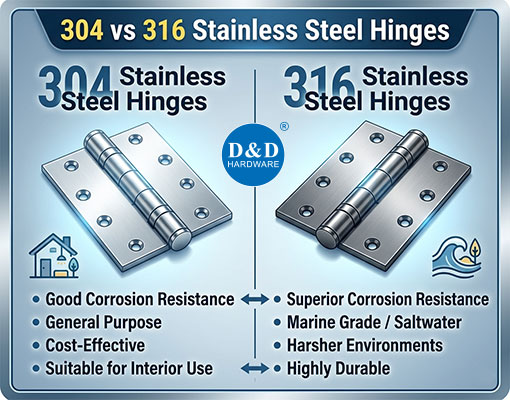
2026-04-24 When considering your Stainless Steel Hinge Selection: 304 vs. 316, it's important to note that 316 stainless steel excels in resisting rust. This superior performance is due to the presence of molybdenum in 316 stainless steel, which effectively combats rust in salty or harsh environments.The PREN
Read More 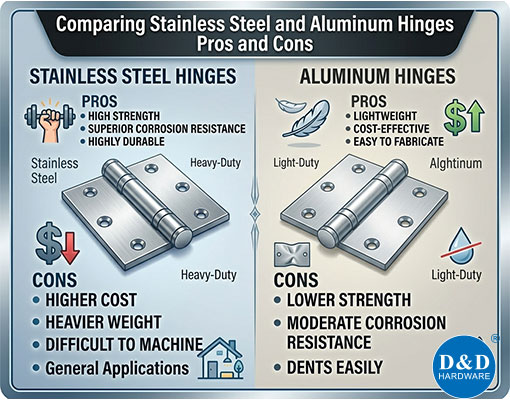
2026-04-24 When selecting the best hinges for your project, it's essential to consider your specific needs. The choice between stainless steel vs. aluminum hinges can significantly impact your decision. Stainless steel is favored globally, accounting for nearly half of the market, due to its excellent corrosio
Read More 
2026-04-24 You want your commercial door hinges to stay strong and look nice. Surface finishing stops hinges from getting rusty or worn out. It also makes every hinge look cool. Tests show good finishes help hinges last through 200,000 open-close times. They also keep hinges safe from rust with high marks. The
Read More 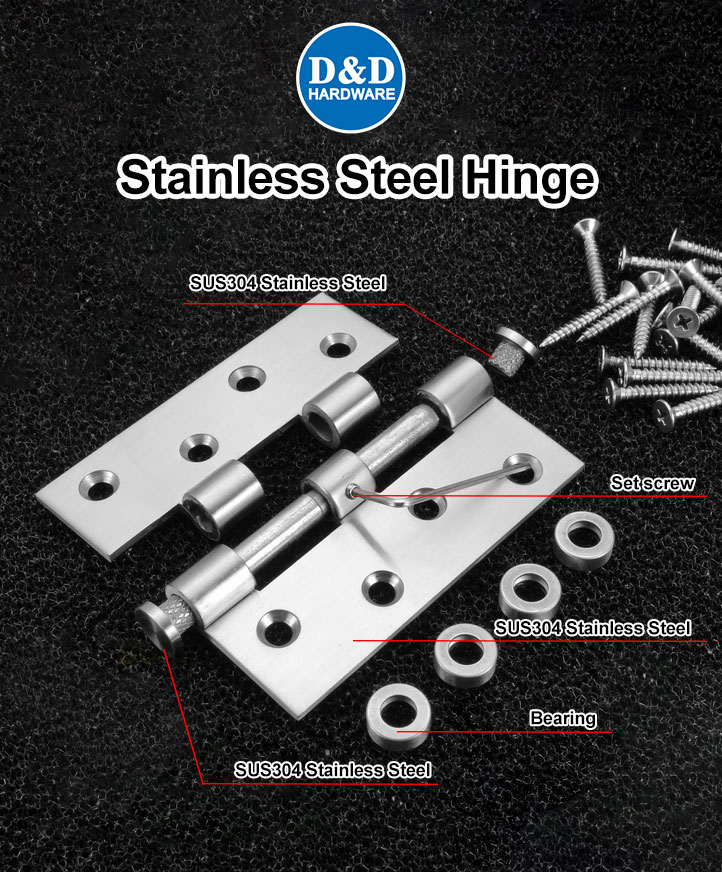
2022-07-08 Stainless Steel Door Hinge is a type of hinge or hinge made of stainless steel. We can call it a hinge, a hinge hardware product that connects the door to the door frame and plays a certain load-bearing function. By stainless steel, we generally mean 304 stainless steel, which is one of the most widely used and increasingly popular materials. When it comes to the price of Stainless Steel Door Hinge, we need to elaborate on several aspects of the price of Stainless Steel Door Hinge from which factors, specifically the main raw materials, production processes, assembly, and processing technology. Here are some answers.
Read More 
2019-08-05 Stainless steel is short for stainless acid-resistant steel. Weak corrosive media such as air, steam, water or the steel with rust resistance is called stainless steel. Each stainless steel has good properties in its specific application fields. The key to success is first to clarify the usage, and then to determine the correct steel grade.
Read More 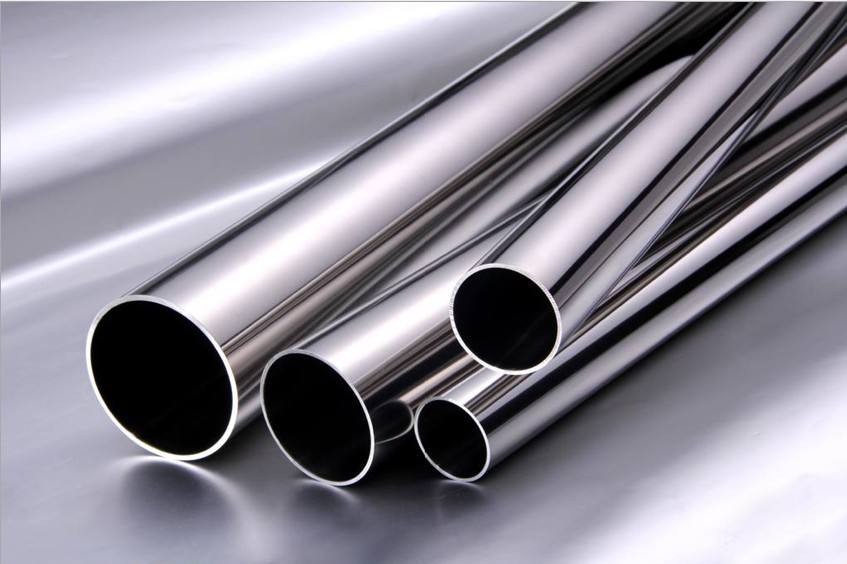
2017-12-15 Stainless steel's are divided into grades (and sub grades) which are determined by their specific constituent elements e.g Chromium and Nickel; these grades help identify whether that steel is more or less suitable for any given application and ,for example in guidance on the materials corrosion resistance, mechanical or thermal performance or machinability.
Read More 
2017-08-22 It is commonly stated that “stainless steel is non-magnetic”. This is not strictly true and the real situation is rather more complicated. The degree of magnetic response or magnetic permeability is derived from the microstructure of the steel. A totally non-magnetic material has a relative magnetic permeability of 1. Austenitic structures are totally non-magnetic and so a 100% austenitic stainless steel would have a permeability of 1. In practice this is not achieved.
Read More 
2016-08-13 When selecting stainless steel hardware, it is important to understand the differences between the variety of grades and finishes available so you can choose the products that will work most safely and effectively for your purposes. It's difficult to distinguish between these two types of steel visually, but significant differences between the two steel types do exist and are important to understand. Below is a basic guide to the similarities and differences of 304 grade and 316 grade stainless steel.
Read More 

 English