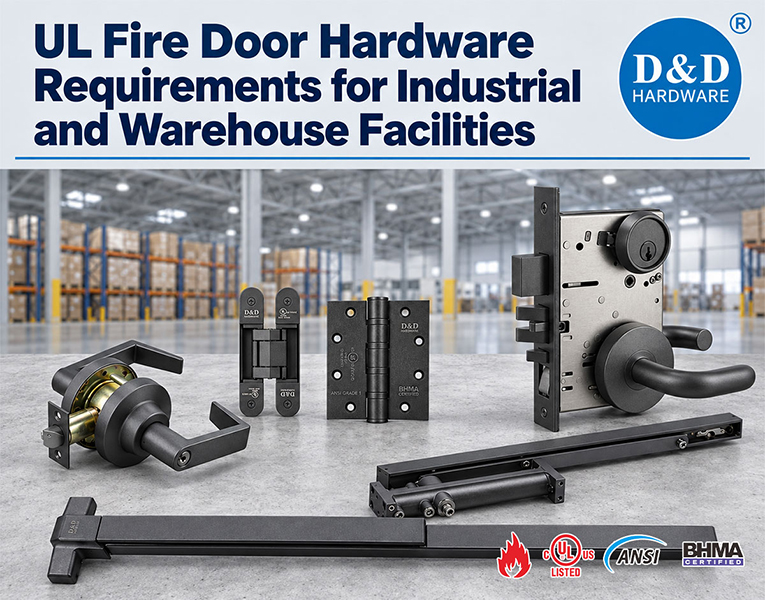
2026-10-28 1 Establish the Occupancy and Opening Requirements“Industrial” is a building description, not a complete code classification. Manufacturing operations may fall within Factory Group F, while warehouses commonly fall within Storage Group S. Hazardous materials can introduce Group H requirements, depen
Read More 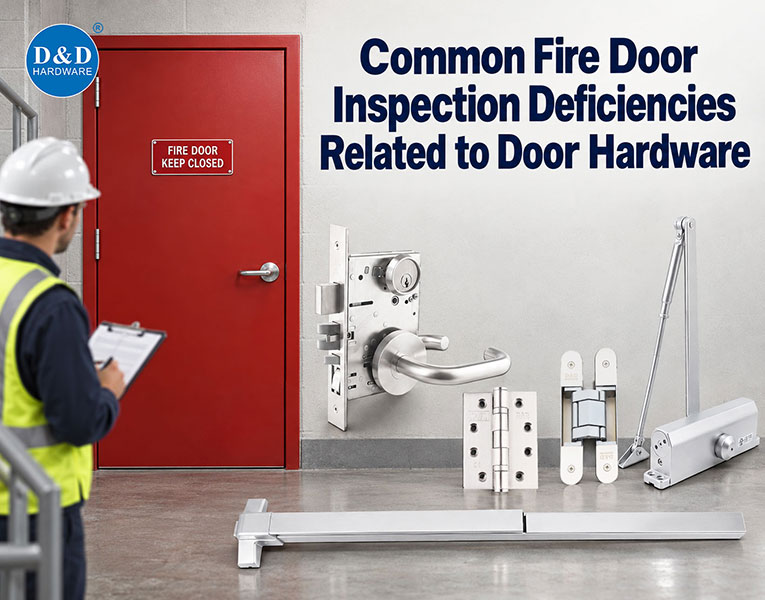
2026-10-09 Why Hardware, Not the Door Leaf, Fails InspectionsUnder NFPA 80's periodic inspection requirements, hardware deficiencies rank among the most frequently cited findings on fire-rated openings. The door leaf usually keeps its rating for decades; what fails is the hardware attached to it—the closer tha
Read More 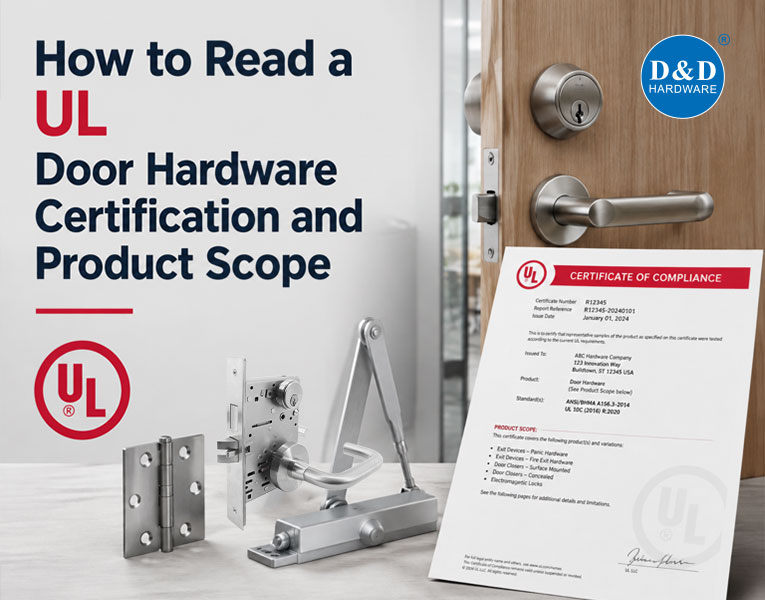
2026-09-25 Finding a UL certificate is easy. Understanding what it actually covers—that's where most project teams get stuck. As a fire door hardware manufacturer, we've seen specifiers approve hardware based on a file number alone, only to discover later that the exact model or configuration wasn't within the
Read More 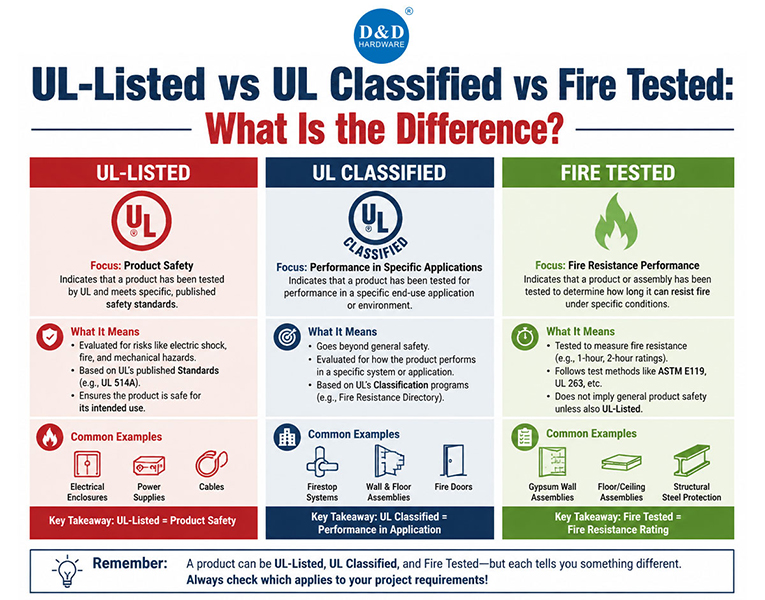
2026-09-18 Meta Title: UL Listed vs UL Classified vs Fire Tested: Key DifferencesMeta Description: UL Listed, UL Classified and fire tested explained for commercial door hardware, with UL 10C, UL 305, fire exit hardware and verification steps for fire-rated door applications.URL: /ul-listed-vs-ul-classified-vs
Read More 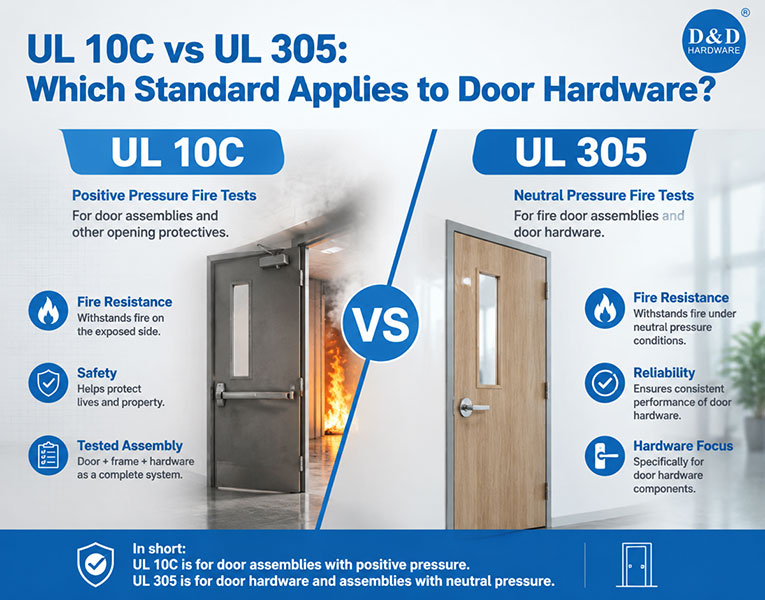
2026-09-14 UL Fire Rated Commercial Door Hardware — Technical GuideTwo standard numbers appear on almost every commercial hardware submittal we review, and buyers often treat them as alternatives. That reading is wrong, and it is a common reason hardware packages get returned.UL 10C is a fire test method. It e
Read More 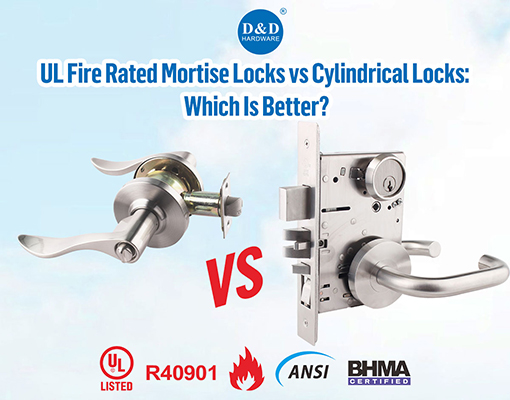
2026-08-04 When a fire door assembly fails an inspection, it's rarely the door leaf itself. More often than not, it's a piece of hardware — a lock, a hinge, a closer — that wasn't rated for the assembly it was installed on. On commercial projects, the lock is one of the components most likely to get flagged, w
Read More 
 English