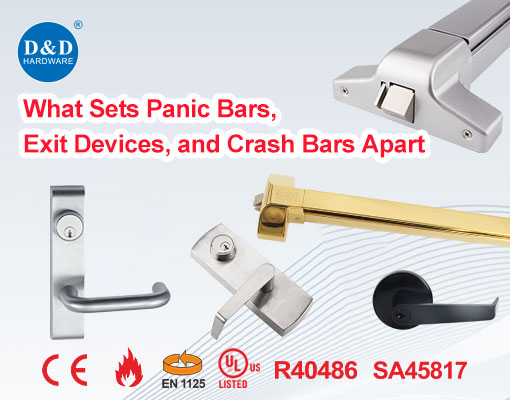
You can see small differences between panic bars, exit devices, and crash bars when you look at how each one works and follows safety rules. Panic bars help people open doors fast in an emergency. Exit devices include panic bars and crash bars, but also have other tools that meet the law. Crash bars work like panic bars, but some types may not be allowed as a fire door panic bar under strict rules. These differences are important because public building safety depends on picking the right device.
Aspect | Details |
Projected CAGR | 9.5% from 2025 to 2032 |
Leading Region | North America because of strong safety rules |
Fastest Growth Region | Asia Pacific, because cities are growing fast and building more |
Key Growth Factors | More safety rules, more cities, better technology, and new laws |
Importance of Panic Bars | Very important for making sure people can leave quickly in emergencies |
Key Takeaways
Panic bars help people leave quickly in emergencies. They make doors easy to open when there is danger.
Exit devices include panic bars and crash bars. These are made to follow strict safety rules in public places.
Crash bars are strong and good for busy areas. They let people get out fast but might not always be safe for fires.
Always look at your local building rules before picking an exit device. This helps you follow the law and stay safe.
It is important to check exit devices often. Look at them every month to see if they work well or are worn out.
Pick the best exit device for your door and how it is used. This makes your building safer and easier to use.
Teach everyone in the building how to use exit devices. This helps people leave safely in an emergency.
Buying good exit devices can save lives. It also helps your building pass safety checks.

Exit Devices Overview
What Are Exit Devices
You see exit devices on doors in places like schools and offices. These devices help people open doors fast in emergencies. Exit devices include panic bars and crash bars. You push the bar or pad, and the door unlocks so you can get out quickly. Most exit devices are used on doors that open outward. They are found on fire exit doors because they follow strict safety rules. Exit devices must meet rules like UL 305 and NFPA 101. These rules make sure the device works every time someone needs to leave. Some exit devices have a dogging function. This keeps the latch open so people can go in and out easily when it is busy. Exit devices must also fit ADA standards so everyone can use them safely.
Feature/Requirement | Description |
Panic Bar Mechanism | A mechanical device that unlocks an outswing exit door in emergencies, featuring a crossbar or touchpad. |
Compliance Standards | Must meet UL 305 for panic hardware and NFPA 101 for fire exits, ensuring safety and reliability. |
Dogging Feature | Allows the latchbolt to be held retracted, reducing wear and noise during regular use. |
ADA Compliance | Must be installed at a height of 34 to 48 inches and should not obstruct emergency egress. |
Types of Exit Devices
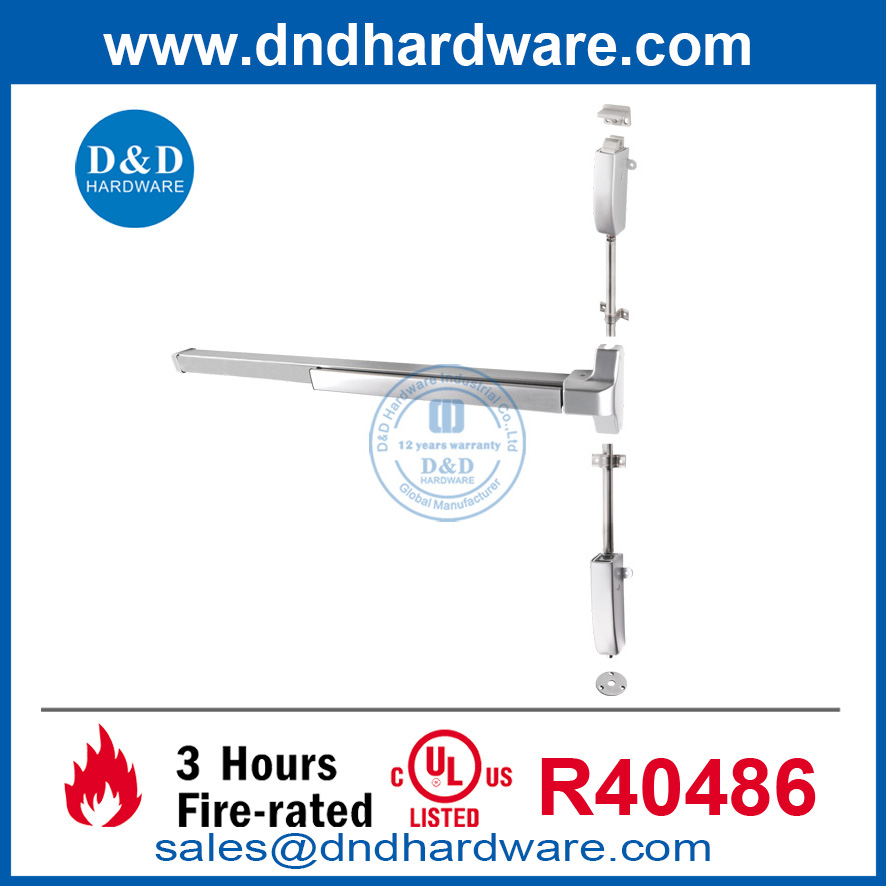
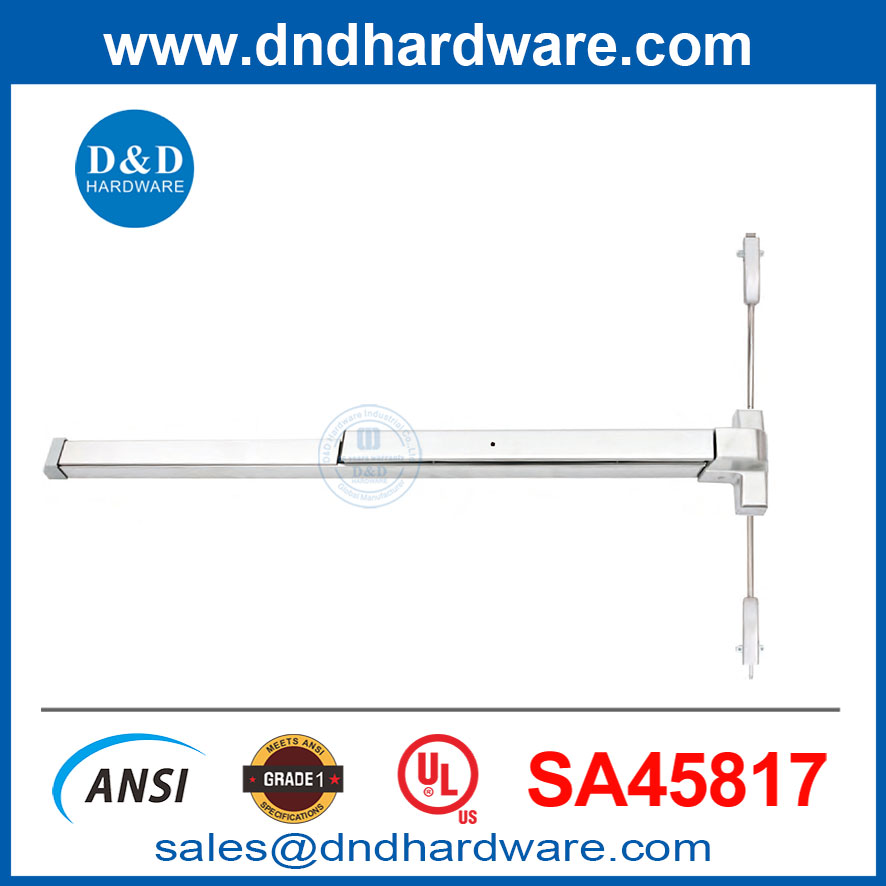
There are many types of exit devices you can pick from. Each type works best for certain doors and needs. Some exit devices use a rim mechanism with the latch in the center. Surface-mounted vertical rod exit devices have rods and latches on the outside of the door. Concealed vertical rod exit devices hide the rods inside the door. There are special concealed vertical rod exit devices for wood doors. Some exit devices use hidden cables instead of rods. Pool exit devices use one hidden cable for tough places. Three-point latching exit devices lock the door at the center, top, and bottom. Mortise lock exit devices use one lock inside the edge of the door.
Rim exit devices
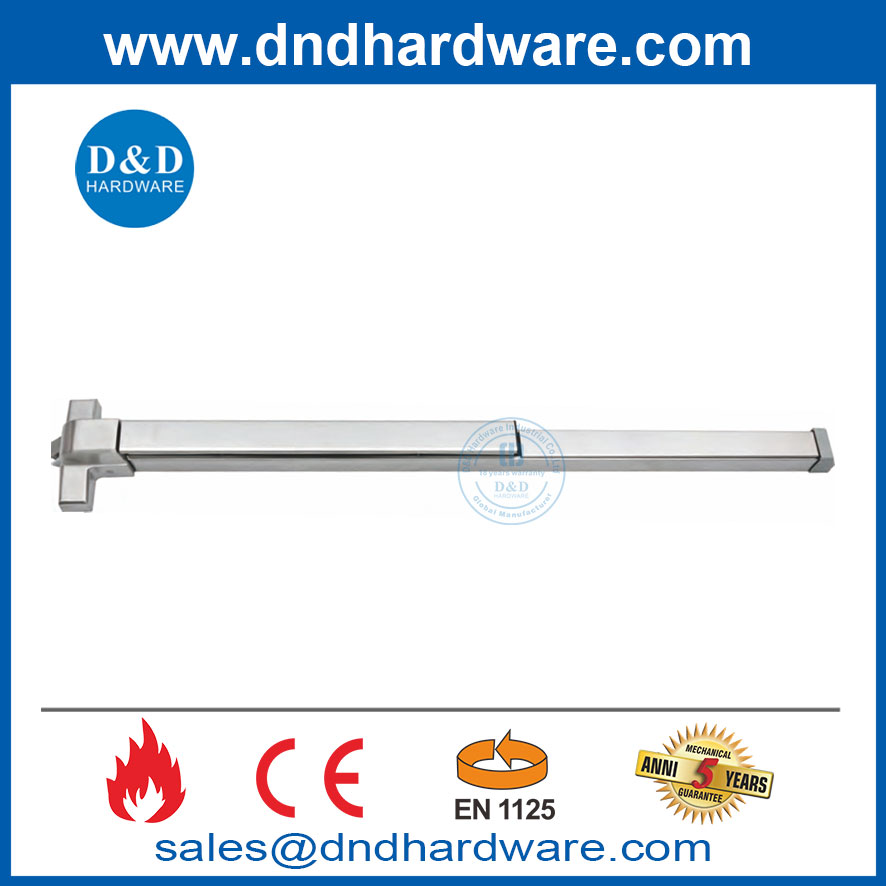
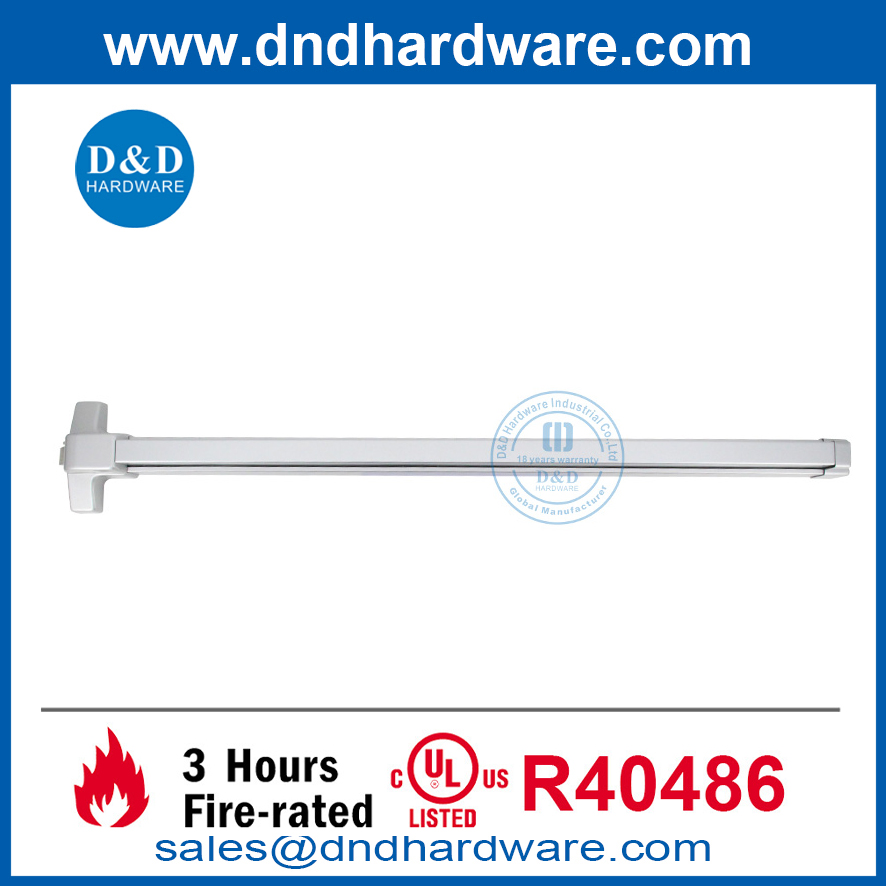
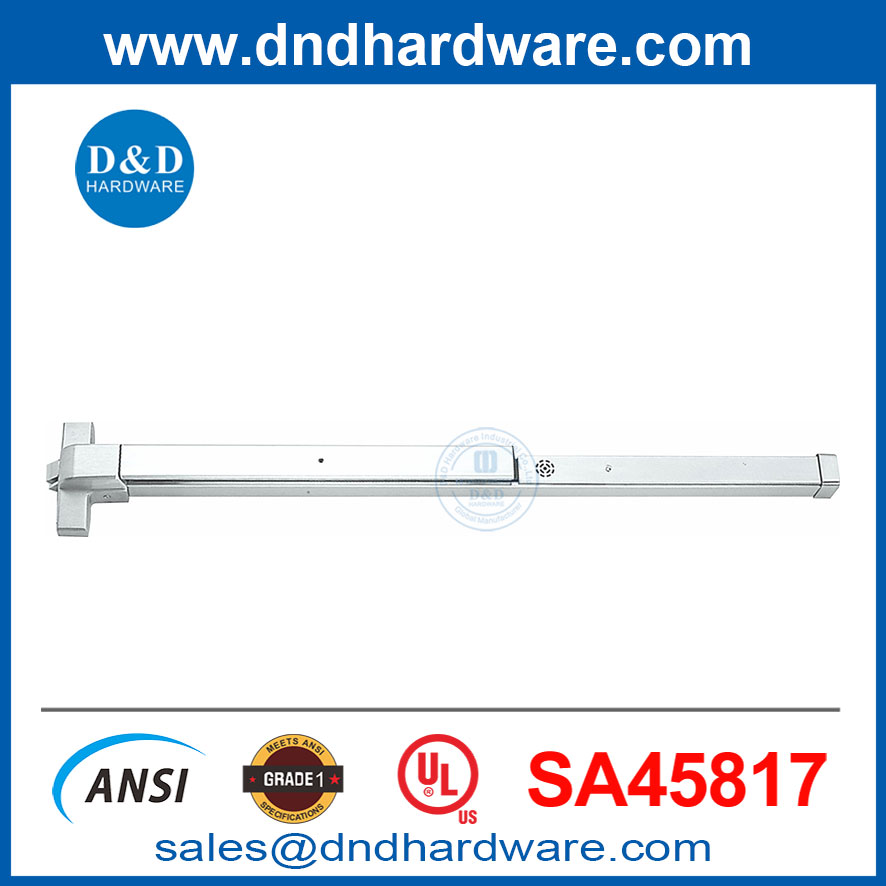
Surface-mounted vertical rod exit devices
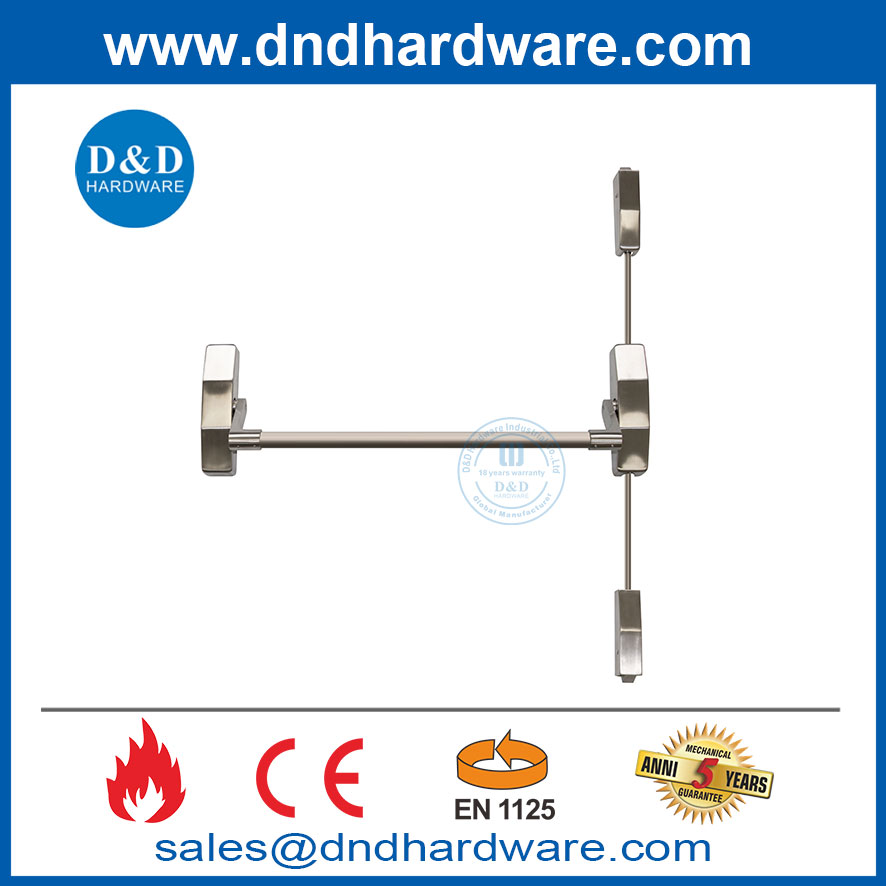
Concealed vertical rod exit devices
Wood door concealed vertical rod exit devices
Concealed vertical cable exit devices
Wood door concealed vertical cable exit devices
Pool exit devices
Three-point latching exit devices
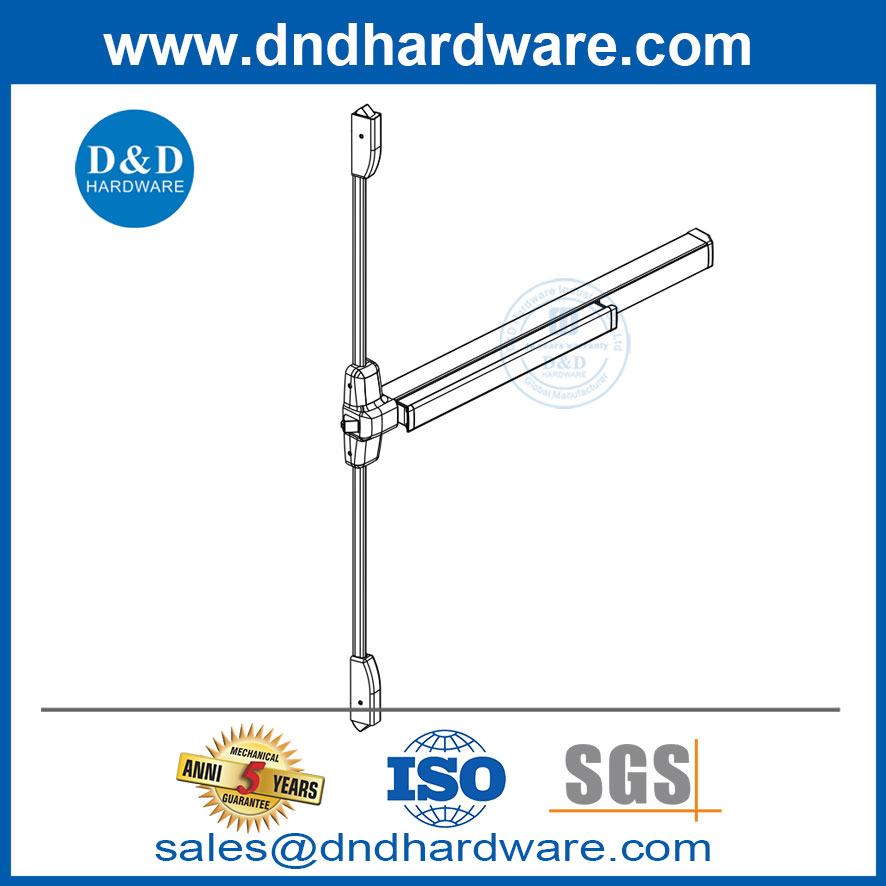
Mortise lock exit devices
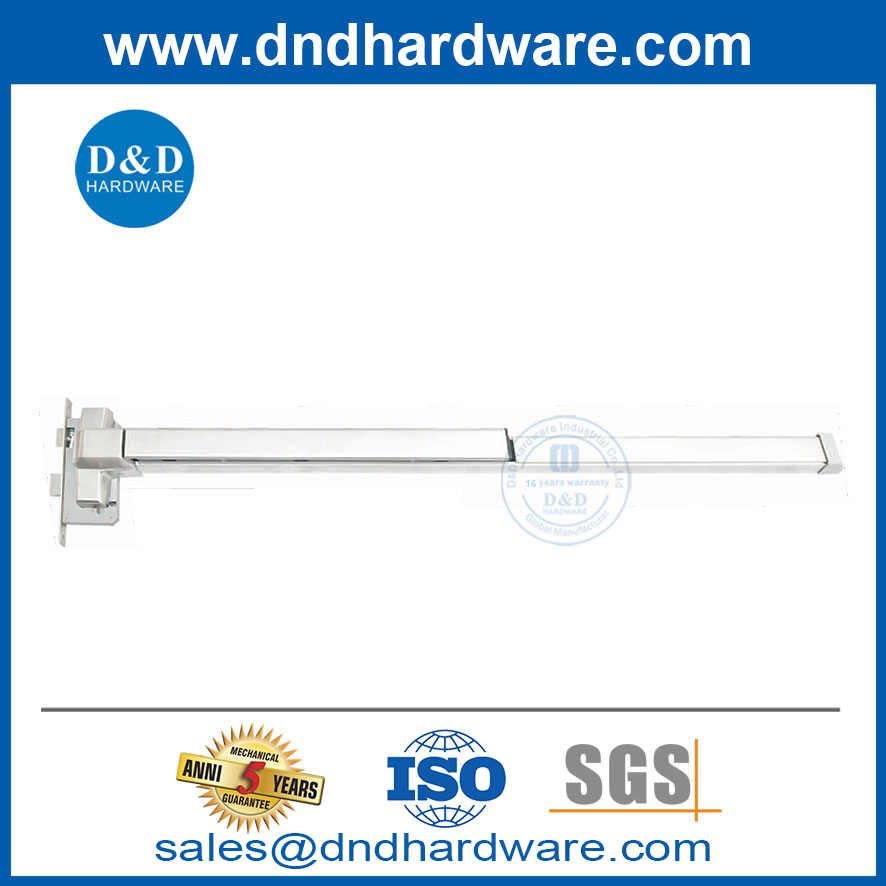

You choose the exit device based on your door and how many people use it.
Panic Bars vs. Exit Devices
You might wonder how panic bars are different from other exit devices. Panic bars are one kind of exit device. You push a bar across the door to unlock it and get out fast. Crash bars also help people exit, but some have vertical bars. Crash bars are good for busy places and can take strong hits. Panic bars are made for emergencies and must follow building codes. Crash bars may not always meet all fire exit rules. You need panic bars on doors where safety codes say people must exit fast. Crash bars are used in places with lots of people, but you have to check if they follow local rules.
Feature | Panic Bars | Crash Bars |
Orientation | Horizontal bars pushed in the direction of exit | Vertical bars pushed in any direction |
Usage | Designed for emergency exits, required by codes | Designed for high-traffic areas |
Impact Resistance | Not designed for high-impact collisions | Designed to withstand high-impact collisions |
Code Compliance | Required by building codes for emergency exits | May not be required by code in all jurisdictions |
Tip: Always check your local building codes before you pick an exit device. You want to make sure your exit devices keep everyone safe and follow all rules.
Crash Bars Explained
Crash bars play a key role in building safety. You see crash bars on doors in schools, offices, and public spaces. When you push the bar, the door unlocks and opens quickly. This simple action helps people leave fast during emergencies. Crash bars look like long horizontal bars across the door. You do not need special training to use them. Anyone can push the bar and exit.
Crash bars are sometimes called panic bars or exit devices. You might hear these names used for the same device. The main job of a crash bar is to let you open a door with one quick push. This feature makes crash bars perfect for emergency exits. You find crash bars on doors that must open outward. This design helps crowds move out safely.
Crash bars come in different styles. The most common type is the rim crash bar. You see rim crash bars mounted on the surface of the door. When you push the horizontal bar, the latch releases and the door swings open. Some crash bars use vertical rods instead of a rim latch. These rods run up and down the door and unlock at the top and bottom. You also find crash bars with extra features, like alarms or electric releases.
Crash bars focus on emergency use. You do not need to turn a knob or pull a handle. You only push the bar. This action works even if you feel panicked or rushed. Crash bars help prevent crowding at exits. They keep people moving and reduce the risk of injury.
You need to know how crash bars compare to panic bars and exit devices. Crash bars and panic bars often mean the same thing. Both let you open a door by pushing a bar. Exit devices include crash bars, panic bars, and other tools that unlock doors in emergencies. Some crash bars may not meet strict fire door codes. You must check local rules before you install a crash bar.
Crash Bar Feature | Description |
Activation | Push horizontal bar to unlock door |
Location | Mounted on outward-opening doors |
Emergency Use | Designed for fast, safe exits |
Types | Rim, vertical rod, alarmed, electric release |
Code Compliance | Some meet fire codes, others may not |
Note: Crash bars help save lives during emergencies. You should always make sure your crash bars follow safety codes and work properly.
Crash bars offer a simple way to keep people safe. You can trust them to work when you need them most. If you choose crash bars for your building, you help everyone exit quickly and safely.
Key Differences
Function & Operation
It is important to know how these devices work in emergencies. Each one helps people leave a building safely. Panic bars let you push a bar to open the door. This makes it easy to get out fast, even if you are scared. Crash bars also open doors quickly, but they are stronger. Crash bars can take hard hits and still work. You see crash bars in busy places with lots of people. Exit devices include panic bars, crash bars, and other tools for safe exits.
Panic bars are made for emergency exits and must follow building rules.
You push panic bars sideways to open the door, so everyone can use them.
Crash bars are good for busy places and can handle strong pushes.
Exit devices are all the hardware that help doors unlock for safe exits.
Tip: Always make sure your exit devices work well and do not block the way out. This helps everyone get out safely if there is an emergency.
Code Requirements
Building codes have strict rules for these devices. These rules keep people safe during emergencies. Codes like IBC and NFPA 101 say when you need panic bars or other exit devices. The rules change depending on the building and how many people are inside.
Edition of IBC | Occupancy Type | Occupant Load Requirement for Panic Hardware |
2000 & 2003 | Educational, Assembly | 100 or more occupants |
2006 & 2009 | Educational, Assembly | 50 or more occupants |
If a room has 86 people, you need panic hardware. Codes also say exit doors must open outward. You must keep exit paths clear at all times. Doors must unlock from the inside and be easy to open in emergencies. Some codes say how much force you need to open the door and what kind of hardware to use.
Panic hardware is needed for rooms with 50 or more people in new buildings.
Exit devices must let doors open fast and easily in emergencies.
Check and fix exit devices often to keep them working and safe.
Have a trained person install exit devices to make sure they work right.
Note: Always follow your local rules to keep your building safe. Check the latest codes before picking exit devices.
Usage Scenarios
These devices are used in different places for different reasons. You see them where quick exits are very important. The best device depends on the door, how many people use it, and how safe it needs to be.
Panic Bar Type | Locking Mechanism | Best Application | Security Level |
Rim Exit Device | Surface-mounted latch bolt | Single doors, standard exits | Moderate |
Mortise Exit Device | Mortise lock embedded in door | High-traffic commercial doors | High |
Vertical Rod Device | Top and bottom latches | Double doors | High |
Emergency Exits
You find panic bars and crash bars on doors for big rooms and crowded places. These devices help people get out fast in emergencies. Panic bars are needed for exits in schools, theaters, and public buildings. Crash bars also help when crowds need to move quickly.
Doors in dangerous areas use panic bars for fast exits.
Emergency exits must lead to a safe place outside.
Exit signs and lights help people see the way out.
High-Traffic Areas
Crash bars and mortise exit devices are best for busy places. You see them in stores, malls, and stadiums. These devices last a long time and can take lots of use. They help people leave smoothly, even when many use the door at once.
Busy places need strong exit devices that work every time.
Mortise exit devices give more security for busy buildings.
Crash bars stop crowds from blocking exits in emergencies.
Other Applications
Exit devices are also used on doors for dangerous rooms or special safety needs. Vertical rod devices are good for double doors and big groups. You should check exit devices often to make sure they work in emergencies.
Exit paths must always be open and never blocked.
Check and fix exit devices often so they are ready.
Following safety rules keeps people safe and helps everyone get out.
Alert: Never block exit doors or paths. Always keep exit devices working well to protect everyone in the building.
Fire Door Panic Bar Codes
Building Code Standards
When you put in a fire door panic bar, you have to follow strict rules. These rules keep people safe if there is an emergency. Building codes like NFPA and IBC tell you what you need to do. You must use panic hardware on every fire-rated door. The hardware has to meet UL 305 standards. You must put the fire door panic bar on the side people use to leave, between 34 and 48 inches from the floor. The bar should work with just one hand. You do not need a key or special skill to use it. The door should open with no more than 15 pounds of force.
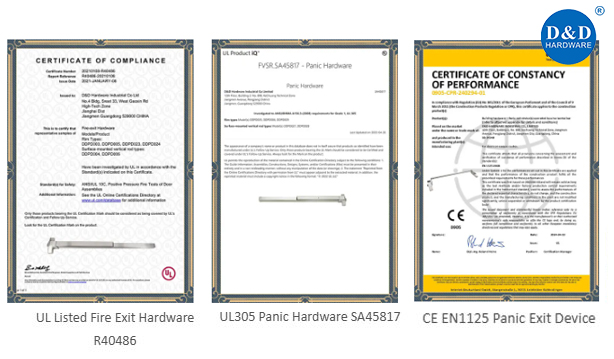
Here is a table that lists the main building code rules for fire door panic bars:
Requirement Type | Description |
Fire-rated Doors | Panic hardware must be installed on all fire-rated doors, complying with UL 305 standards. |
Non-fire-rated Doors | Panic hardware is optional but must meet fire-rated door standards if installed. |
Location | Must be installed on the egress side, 34-48 inches above the floor. |
Operation | Must be operable with one hand, requiring no more than 15 pounds of force. |
Locking | Must not require a key or special knowledge to operate. |
Maintenance | Must be tested and maintained according to NFPA 80 standards. |
Tip: Always check your local fire codes before you put in a fire door panic bar. This helps you follow safety rules and keeps everyone safe in your building.
Compliance for Fire Doors
You have to make sure your fire door panic bar follows all the rules. NFPA says you need panic hardware on fire-rated doors in some buildings. The hardware must be listed and labeled for fire doors. You must follow UL 305 for safety. ADA rules also matter. You must put the fire door panic bar where people with disabilities can use it. Put the bar between 34 and 48 inches from the floor. NFPA says you need 15 pounds of force to open the latch. ADA says you only need 5 pounds. You should pick hardware that meets both rules. The panic bar must have a fire exit label.
Here is a table that shows how NFPA and ADA rules affect fire door panic bar setup:
Requirement | Description |
Panic Hardware Necessity | NFPA standards dictate the necessity of panic hardware in specific occupancy types and conditions. |
Accessibility | ADA standards ensure that panic hardware is usable by individuals with disabilities. |
Mounting Height | Panic hardware must be mounted between 34 inches and 48 inches above the floor. |
Force Requirement | NFPA requires a force of 15 pounds to release the latch, while ADA requires only 5 pounds, creating a conflict. |
Fire Exit Hardware | Panic hardware on fire doors must be fire exit hardware, labeled accordingly. |
Note: You must use a fire door panic bar that is listed and labeled for fire-rated doors. This helps you follow all safety rules and keeps your building safe.
Inspection & Maintenance
You need to check and take care of your fire door panic bar often. Regular checks help you find problems early. Look for wear, rust, or damage every month. Clean the push bar with mild soap. Use silicone spray on moving parts. Make sure the bar and latch line up right. Test the push bar to see if it works every time. Change any broken or worn parts right away. Teach your staff and people in the building how to use the fire door panic bar. Keep notes about every check and repair. Practice emergency drills to make sure the panic bar works in real life.
Check the panic bar every month for wear, rust, or damage.
Clean the push bar with mild soap and use silicone spray on moving parts.
Make sure the push bar and latch are lined up right.
Follow local building codes and safety rules.
Test the push bar often to make sure it works.
Change broken or worn parts as soon as you see them.
Teach workers and building users how to use the panic bar.
Write down every check and repair you do.
Practice emergency drills to test if the panic bar works.
Alert: You must keep your fire door panic bar working well. This helps you pass checks and keeps everyone safe if there is an emergency.
Choosing Exit Devices
Door Type & Material
You have to know what kind of door you have. Some doors are wood, and some are metal or glass. Each door material works best with certain exit devices. Heavy metal doors need strong exit devices. Glass doors may need a special kit to stay safe. You should check if your door opens out or in. Most exit devices work on doors that open out. This helps people get out fast in emergencies. Double doors may need a vertical rod exit device. Always pick an exit device that fits your door’s size and thickness. This makes sure it works well and lasts longer.
Tip: Always check your door’s material and thickness first. This helps you avoid problems when you install the exit device.
Durability & Security
You want your exit device to last and keep people safe. Some exit devices are made for lots of use every day. Others have extra security to stop people from getting in. Look at the table below to see how the devices are different:
Device Type | Durability Features | Security Features |
Panic Exit Devices | Made to last and easy to use. Good for daily use. | Lets people leave fast in emergencies. |
Exit Device Trims | Made from strong materials with tough finishes. | Can lock from outside but still let people out fast. |
Panic exit devices are good if you want something strong and simple. They help people leave quickly in emergencies. Exit device trims give more security. You can lock the door from outside but still let people out. Think about how many times people use your door each day. Busy doors need stronger exit devices.
Cost & Installation
You should think about your budget before you buy an exit device. Some cost more because they use better parts or have extra features. A simple panic bar costs less than a heavy-duty device with alarms. You also need to think about how hard it is to put on the door. Some are easy to install, but others need a pro. If you pick the wrong one, you might spend more fixing it. Always read the instructions and check if you need special tools or parts.
Simple panic bars cost less and are easy to put on.
Heavy-duty or alarmed devices cost more but are safer.
Getting a pro to install it helps make sure it works right.
Note: Spending a bit more on a good exit device can help you later. A strong, well-installed device keeps your building safe and follows safety rules.
Recommendations
You want to choose the right exit device for your building. Start by thinking about how people use each door. Look at the type of building, the number of people inside, and the safety rules you must follow. You should always pick an exit device that matches your needs and keeps everyone safe.
Here are some steps you can follow:
Check the building type. Schools, offices, and public spaces need different exit devices.
Count how many people use each door every day.
Review local safety codes and standards.
Decide if you need extra security or just a fast way out.
Pick a device that fits your door’s material and size.
You can use a table to help you see which exit device works best for your building. The table below shows two important standards for exit devices. EN 179 is for emergency exit devices. You use these on doors where people know the way out and panic is unlikely. EN 1125 is for panic exit devices. You use these on doors in public buildings where people may panic and need a safe exit.
Standard | Description | Application |
EN 179 | Emergency exit device | For familiar exits where panic is unlikely, operated by lever handle or push pad. |
EN 1125 | Panic exit device | For public buildings, operated by a horizontal bar, emphasizing safe exit over security. |
If you have a school or a theater, you should use a panic exit device that meets EN 1125. This device lets people open the door quickly by pushing a bar. If you have an office or a staff-only area, you can use an emergency exit device that meets EN 179. This device uses a lever handle or push pad.
Tip: Always check your local building codes before you choose an exit device. Some places have special rules for fire doors and emergency exits.
You should also think about how easy it is to use the device. Pick a device that everyone can use, including people with disabilities. Make sure the device works every time someone pushes it. Test the device often and fix any problems right away.
You want your exit device to last a long time. Choose a strong device for doors that get used a lot. If you need extra security, pick a device that locks from the outside but lets people leave fast in an emergency.
Ask a professional for help if you are not sure which device to pick. They can help you find the best exit device for your building and make sure it fits your door. You keep everyone safe when you choose the right exit device and follow all safety rules.
Applications
Commercial Buildings
Exit devices are used in many businesses. Offices, malls, and factories need them for safety. You put exit devices on doors that lead outside. They also go on emergency exits. These devices help people leave fast if there is a fire. Crash bars are good for busy places. You open the door by pushing the bar. You do not need a key or to turn a knob. Many businesses have double doors. Vertical rod exit devices work for these doors. Both sides can open easily. You should check exit devices often to make sure they work. If you own a business, you must follow safety rules. This keeps your building safe and helps you avoid fines.
Tip: Test your exit devices every month. This helps you find problems before they get worse.
Residential Use
You can use exit devices in homes. They are more common in apartments or condos. These places have more people and need safe exits. Crash bars are not used much in houses. You might see them in shared hallways or stairs. Exit devices help people leave quickly if there is a fire. Pick a device that fits your door and is easy to use. Some exit devices have alarms. Alarms warn you if someone opens the door. This helps keep your building safe. If you live in a big building, ask your manager about exit devices. Make sure they follow local safety rules.
Residential Setting | Recommended Exit Device | Extra Features |
Apartment Hallways | Rim exit device | Alarmed option |
Condo Stairwells | Crash bar | Fire-rated hardware |
Shared Entrances | Vertical rod device | ADA compliant |
Public Spaces
Public spaces need strong safety rules. You see exit devices in schools, hospitals, and stadiums. These places have lots of people and must follow strict laws. Panic bars and crash bars are required by law in these buildings. You need devices that work fast and are easy to use. In emergencies, people must leave quickly. Exit devices let you open doors with one push. This stops crowding and keeps everyone safe. You see crash bars on gym doors, theater exits, and hospital halls. These devices must meet building codes and be checked often. If you run a public space, you must install exit devices that meet all laws.
Note: Laws say you need exit devices in public spaces to keep people safe. Always check that your devices work and follow the latest rules.

Summary
Quick Reference
You want to remember the main points about panic bars, crash bars, and exit devices. Each device helps people leave a building safely. You see exit devices on doors in schools, offices, and public spaces. Panic bars let you push a bar to open the door fast. Crash bars work like panic bars but can handle strong pushes. Exit devices include panic bars, crash bars, and other hardware that unlocks doors for safe exit.
Here is a table to help you compare the devices:
Device Type | Main Use | Code Requirement | Best Location |
Panic Bar | Emergency exit | Strict | Fire exits, schools |
Crash Bar | High-traffic exit | Varies | Stadiums, malls |
Exit Device | General safe exit | Required | Offices, public areas |
You need to check your local rules before you pick an exit device. Some buildings must have panic bars on every fire exit. Crash bars work well in busy places but may not meet all fire codes. Exit devices help everyone leave quickly and safely.
Tip: Always test your exit devices often. This helps you find problems before an emergency happens.
Final Advice
You want to keep your building safe. Start by looking at every exit door. Check if you need panic bars or crash bars. Make sure your exit devices follow all safety codes. Pick a device that fits your door and is easy for everyone to use. You should choose strong exit devices for doors that get used a lot. If you have double doors, look for vertical rod exit devices.
Ask a professional for help if you are not sure which exit device to pick. They can help you find the best option for your building. You should teach everyone how to use the exit devices. Practice emergency drills so people know how to leave fast. Keep a record of every check and repair. Clean and test your exit devices every month.
Note: You help save lives when you choose the right exit devices and keep them working well.
You want your building to pass safety checks. You want everyone to feel safe. You make the best choice when you learn about exit devices and follow all rules. If you care about safety, you will always check your exit devices and fix problems right away.
You have learned that panic bars, exit devices, and crash bars all have their own jobs. Panic bars help people get out fast in emergencies. Exit devices come in different types for many doors. Crash bars are good for busy places but might not always follow strict rules. Picking the right device helps keep people safe and follows building laws.
Occupancy Type | Exit Device Requirement | Reason for Requirement |
Assembly | Required for 50+ people | Large groups may panic during emergencies |
Educational | Needed for 50+ occupants | Children may not respond predictably |
Healthcare | Often required for smaller groups | Patients may have mobility or cognitive challenges |
High Hazard | Always required | Quick egress is critical for occupant safety |
Panic bars are very important in places with lots of people and must follow new building rules.
They open doors with a small push so you can leave quickly.
Always look at your local rules before picking or putting in panic bars.
Tip: Choose the device that fits your building and test it often to keep everyone safe.
FAQ
What is the main difference between a panic bar and a crash bar?
You use a panic bar for emergency exits. It must meet strict safety codes. A crash bar works like a panic bar but may not always meet fire door rules. Always check your local codes before choosing.
Do all exit devices meet fire safety codes?
Not all exit devices meet fire safety codes. You must look for labels like UL 305 or fire exit hardware. Always check the device’s certification before you install it on a fire-rated door.
Where do you need to install panic bars?
You need to install panic bars on exit doors in schools, theaters, and public buildings. Codes require them where many people gather. These bars help everyone leave quickly during emergencies.
Can you use a panic bar on any type of door?
You can use a panic bar on most doors that open outward. Some doors, like glass or double doors, need special hardware. Always match the device to your door’s material and size.
How often should you check exit devices?
You should check exit devices every month. Look for damage, rust, or loose parts. Test the bar to make sure it works. Regular checks keep everyone safe.
What should you do if your exit device does not work?
You should fix or replace the device right away. Broken exit devices put people at risk. Call a professional if you need help. Always keep records of repairs.
Are panic bars easy for everyone to use?
Yes, panic bars are easy to use. You only need to push the bar to open the door. This design helps children, seniors, and people with disabilities exit safely.
Contact us Now:
Contact: David Jian
Mob:0086-139 2903 7292
Email: David@dndhardware.com, sales@dndhardware.com,
Jobby Zhang
Mob:0086-137 2599 9617
Email: jobby@dndhardware.com
D&D HARDWARE INDUSTRIAL CO.,LTD
ADD:12th Floor, Building 2, No.898, KeChuang Technical Zone, Jiangmen Avenue, Pengjiang District, Jiangmen City, Guangdong, China (Postcode:529000)
https://www.dndhardware.com
Tel: +86-750-3856396
Fax: +86-750-3856395


 English