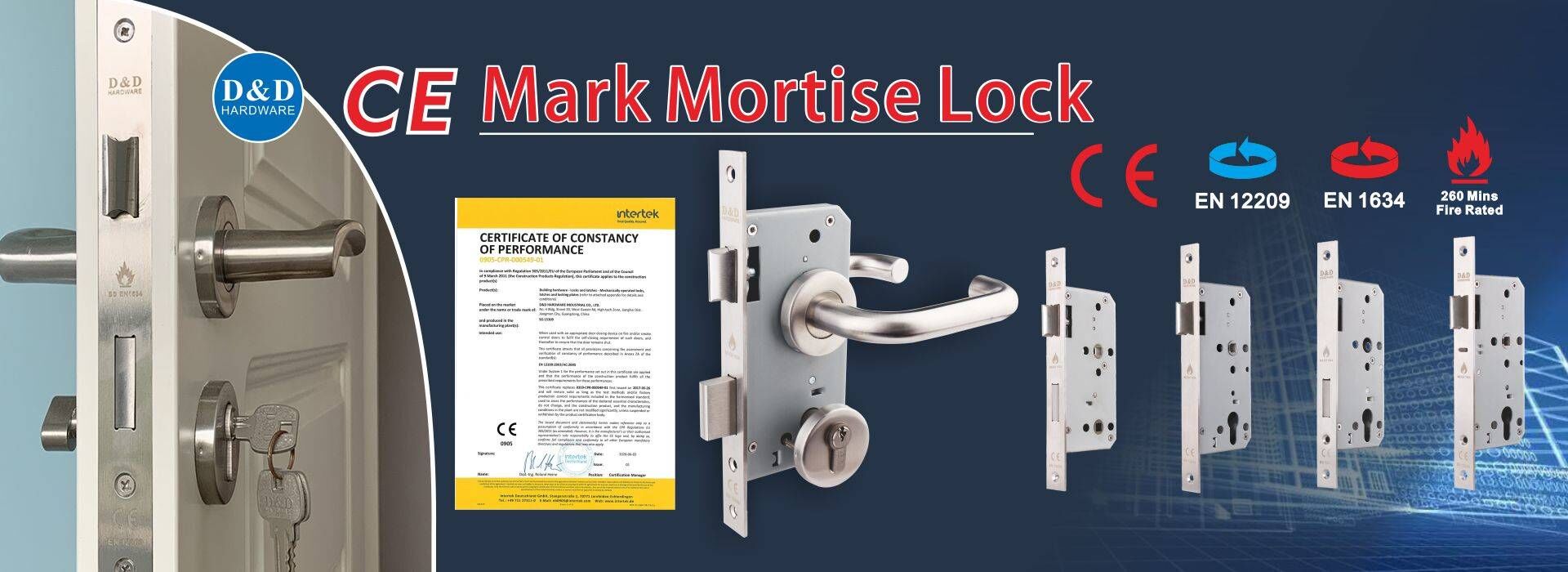
What Is a Euro Mortise Lock?
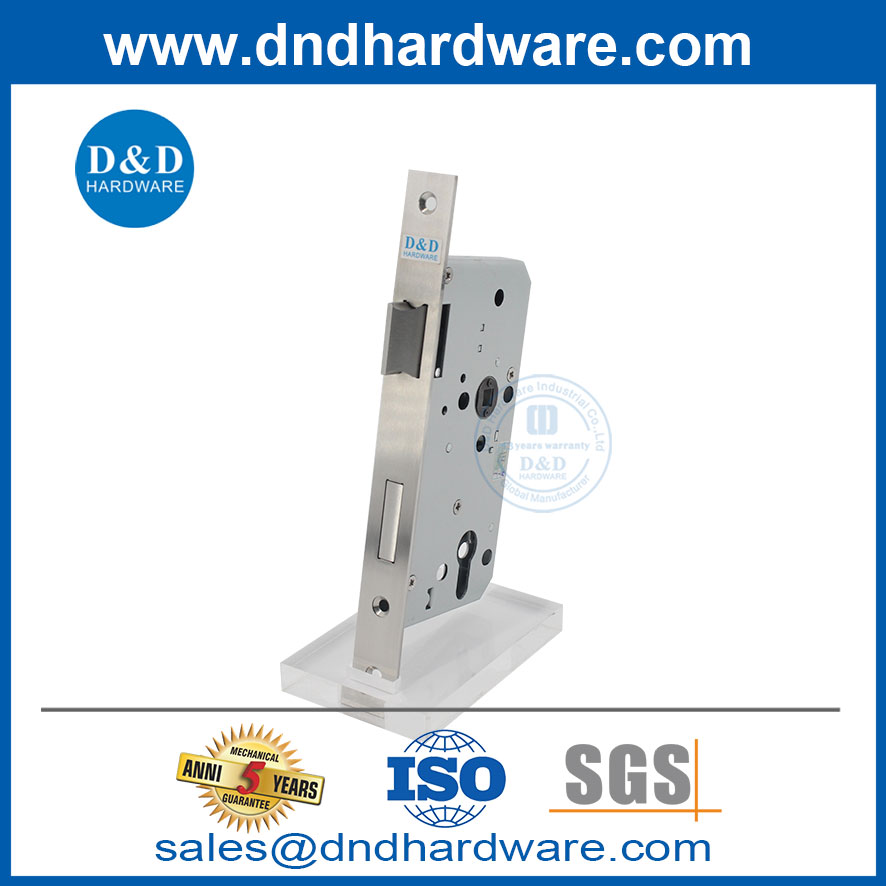
A Euro mortise lock is a type of mortise lock specifically designed to be used with a European-standard lock cylinder, commonly known as the Euro profile cylinder (or EN1303 cylinder). It is installed by cutting a pocket—called a mortise—into the edge of the door, allowing the lock body to sit inside the door while only the faceplate, strike plate, handle, and cylinder remain visible from the outside. This structure provides a clean appearance, strong mechanical performance, and excellent security customization.
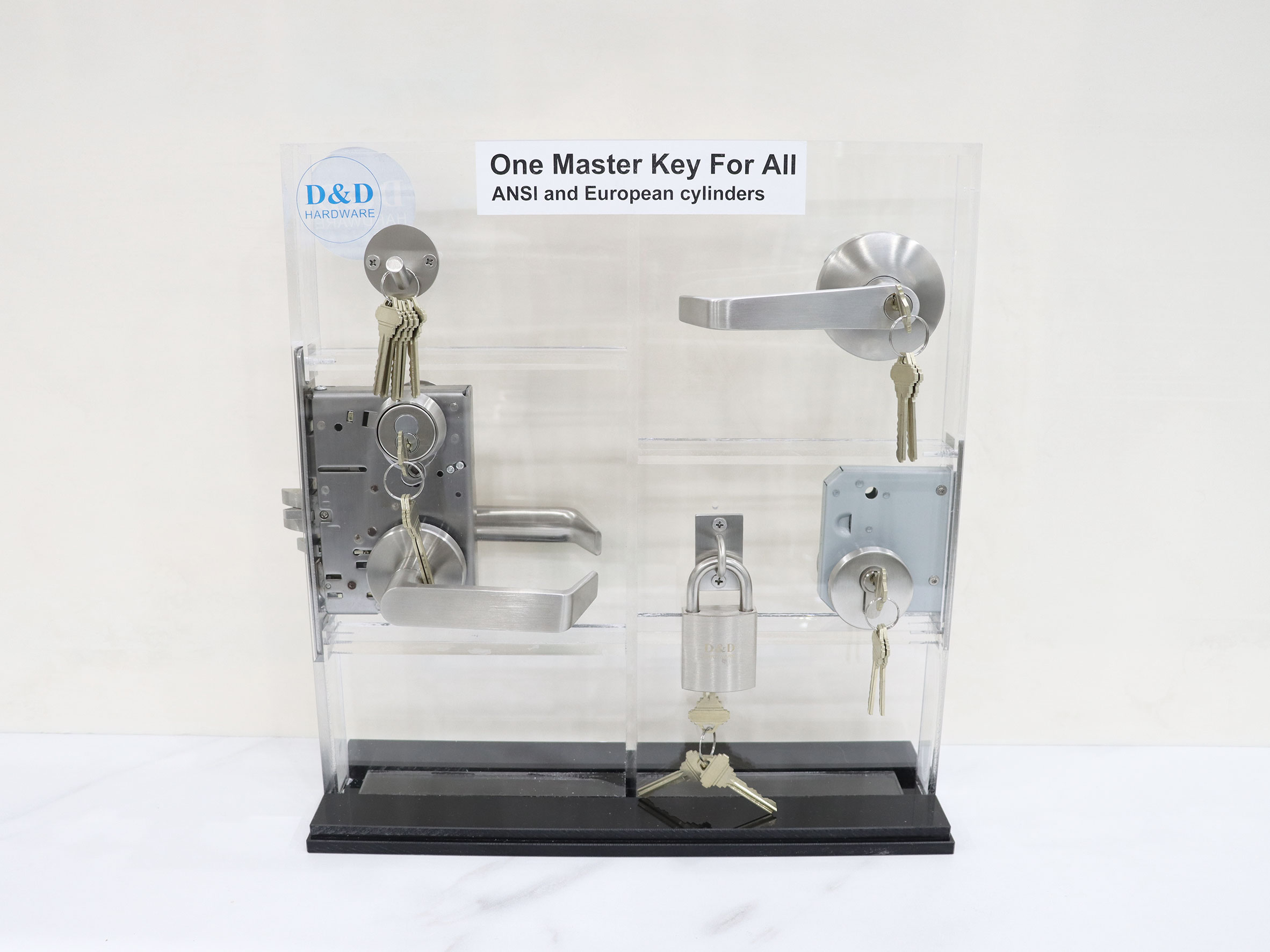
The most defining feature of a Euro mortise lock is its Euro-shaped cylinder hole in the lock body. This "Euro profile" opening accommodates interchangeable lock cylinders of different lengths, key systems, and security levels. This modular design allows the mortise lock to be adapted easily for various security requirements without changing the entire lock. Users can upgrade the cylinder to high-security, master-keyed, anti-pick, or anti-drill versions while keeping the same lock case installed in the door.
Euro mortise locks are widely used in European, Middle Eastern, Asian, and African markets, as well as in any building that follows CE or EN standards. They are also commonly used in fire doors because many Euro mortise locks comply with EN12209 mechanical performance and EN1634 fire-rated testing. The lock case itself can be configured for different functions by changing the cylinder, the handle, or the internal components, making it extremely versatile.
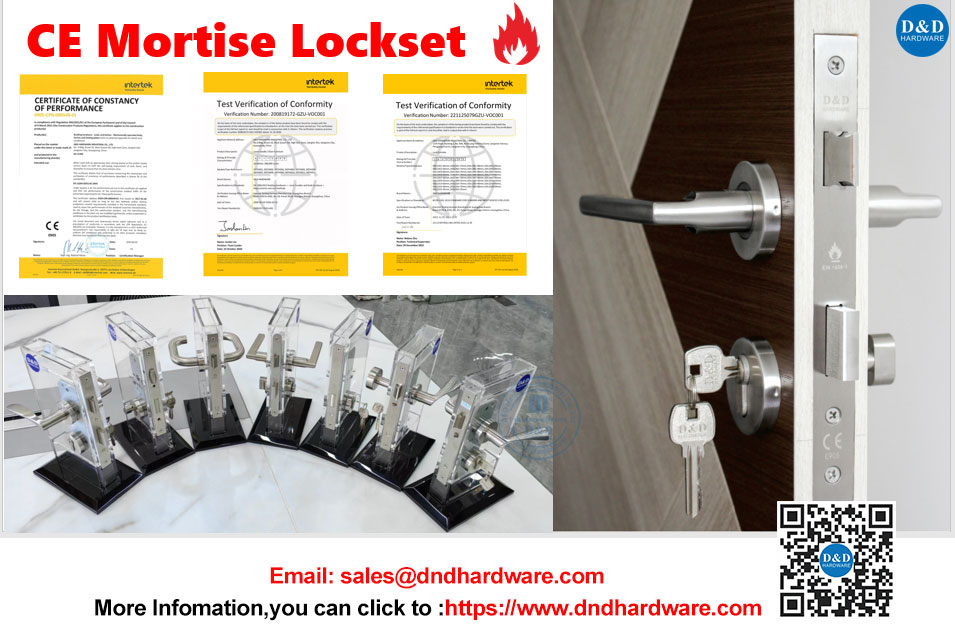
Most Euro mortise locks are made with stainless steel or steel with brass components, offering excellent durability and corrosion resistance. In high-quality models, the latch is silent or reversible, the deadbolt is solid and strong, and the internal springs are designed for long-term cycles—often 200,000 cycles or more. Because the mortise lock is installed inside the door, it provides higher strength and tamper resistance than surface-mounted locks or tubular locks.
Euro mortise locks are commonly used in residential entrance doors, apartments, hotels, offices, commercial buildings, schools, hospitals, and fire-rated doors. They can be paired with different door handles, escutcheons, cylinders, and access control systems. This flexibility and high performance make the Euro mortise lock the most widely used locking option for international projects.

How Many Types of Mortise Door Locks?
Mortise door locks come in a wide range of types because they must meet different functional needs, door structures, security levels, fire safety requirements, and building codes. Below is an in-depth classification of the major types of mortise locks used internationally.
Mortise locks can be categorized by their door function. These functions determine how the latch, deadbolt, handle, and cylinder work.
(1) Deadbolt Mortise Lock
A deadbolt mortise lock includes a single deadbolt operated by a key or thumb turn. It provides strong security and is often used for entrance doors requiring high protection.
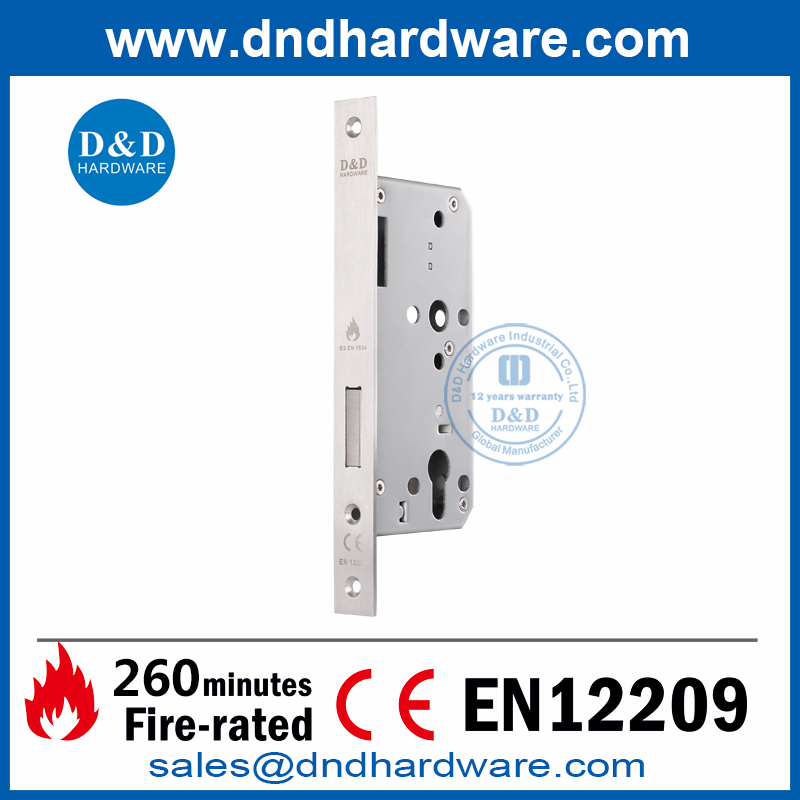
(2) Latch Lock / Passage Lock
This type has only a latch and does not require a key. It is controlled by a handle from both sides, suitable for interior doors that do not require locking.
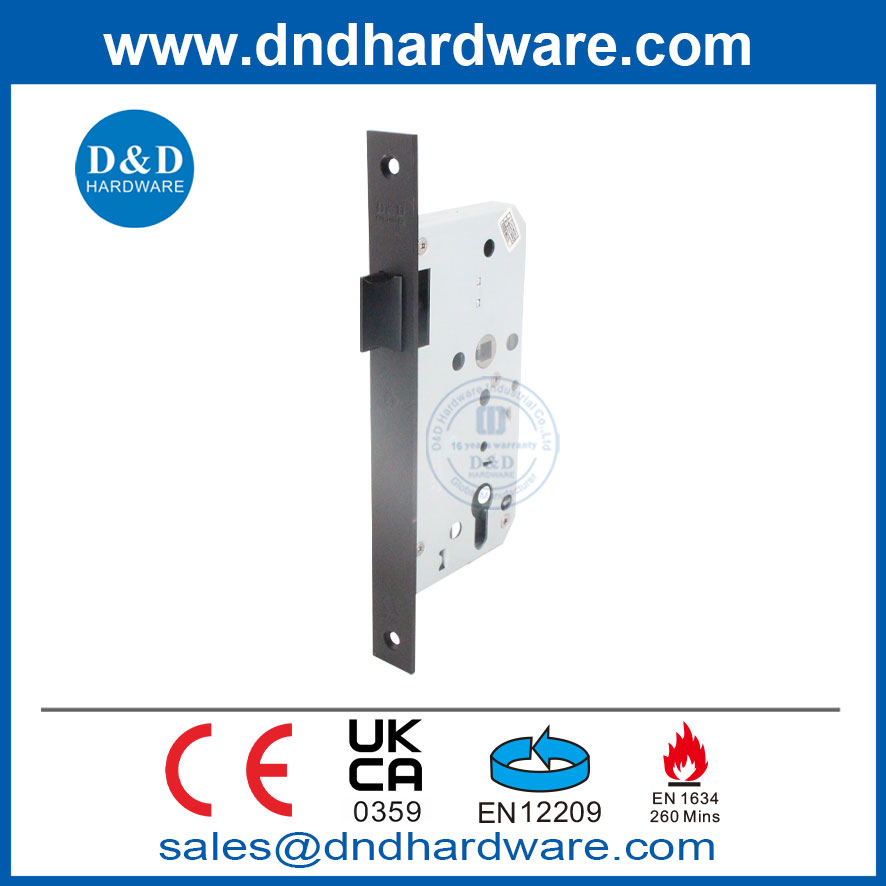
(3) Sash Lock
A sash lock combines a latch and a deadbolt in the same case. The latch works with a handle, while the deadbolt is controlled by a key. It is the most common lock for residential and commercial entrance doors.
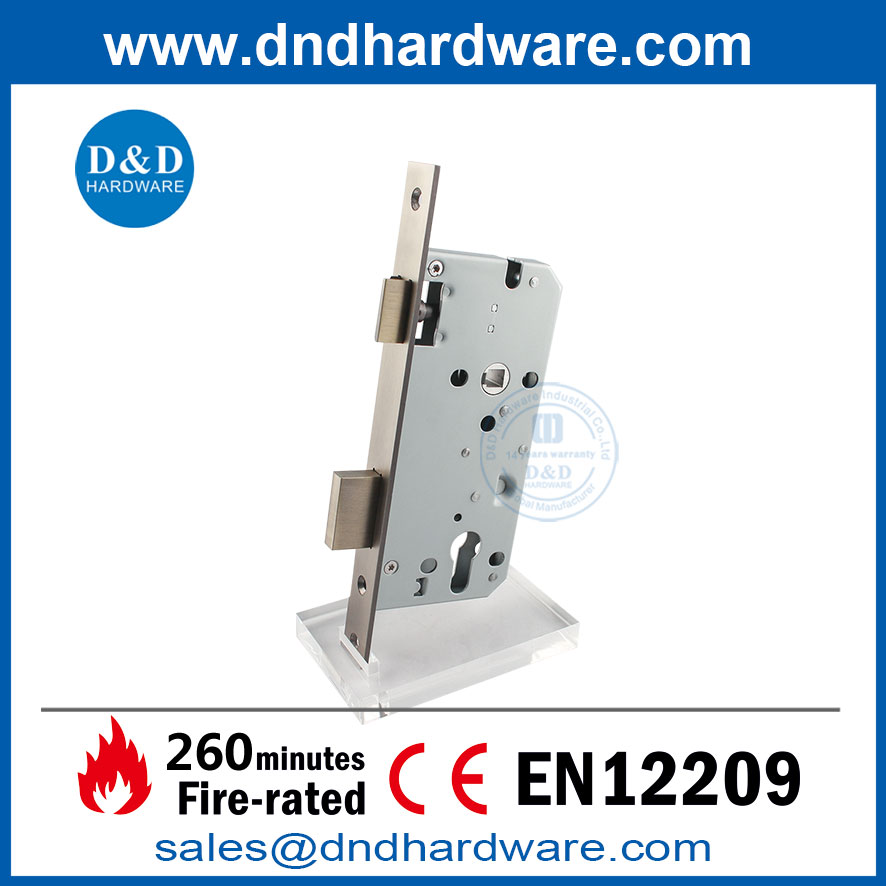
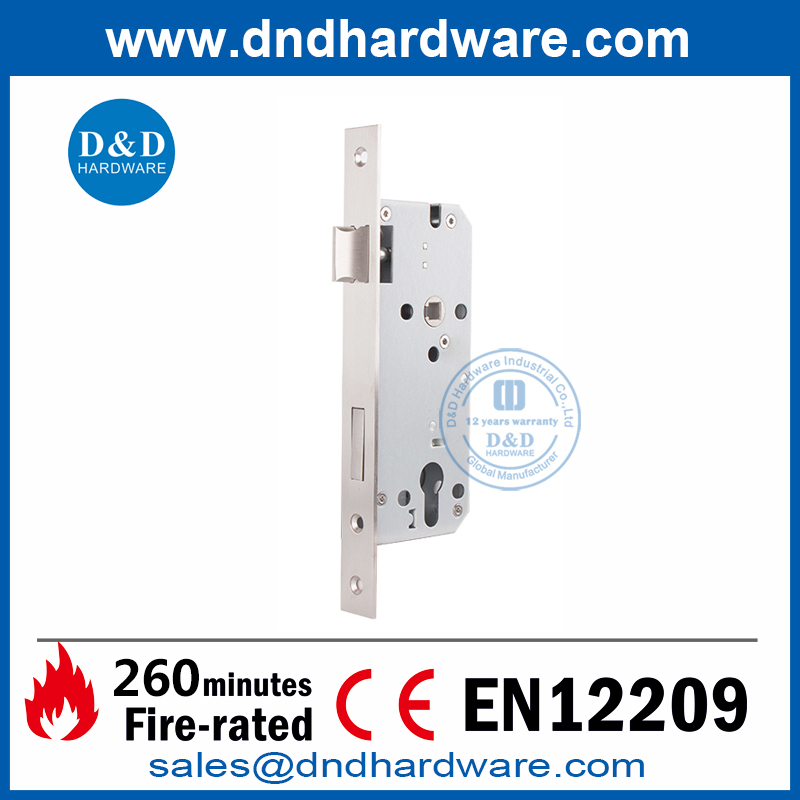
(4) Bathroom Privacy Mortise Lock
Includes a latch and privacy function, usually operated with a thumb turn inside and emergency release outside. No key cylinder is required.
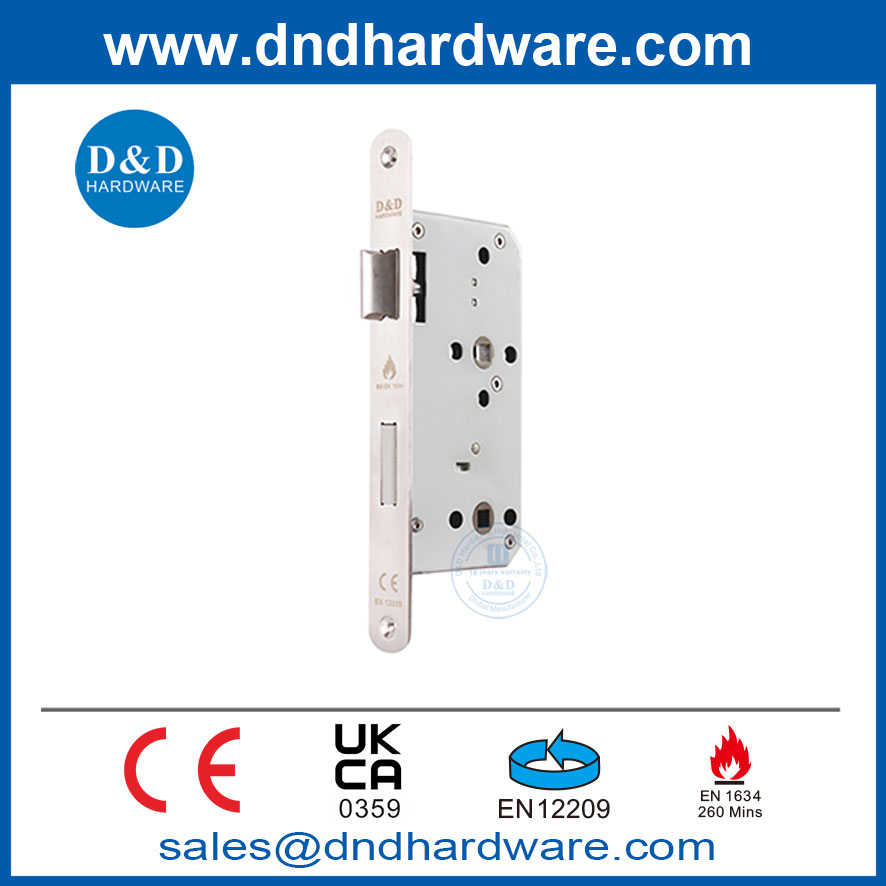
(5) Night Latch Mortise Lock
Automatically locks when the door closes. Usually operated from outside with a key and inside with a handle. Common in apartments and hotels.
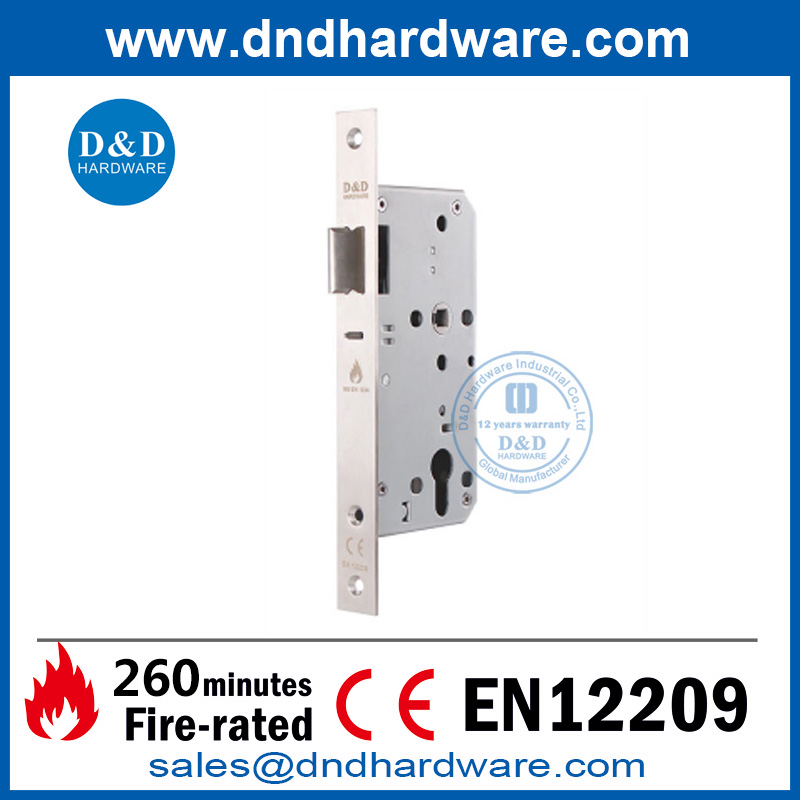
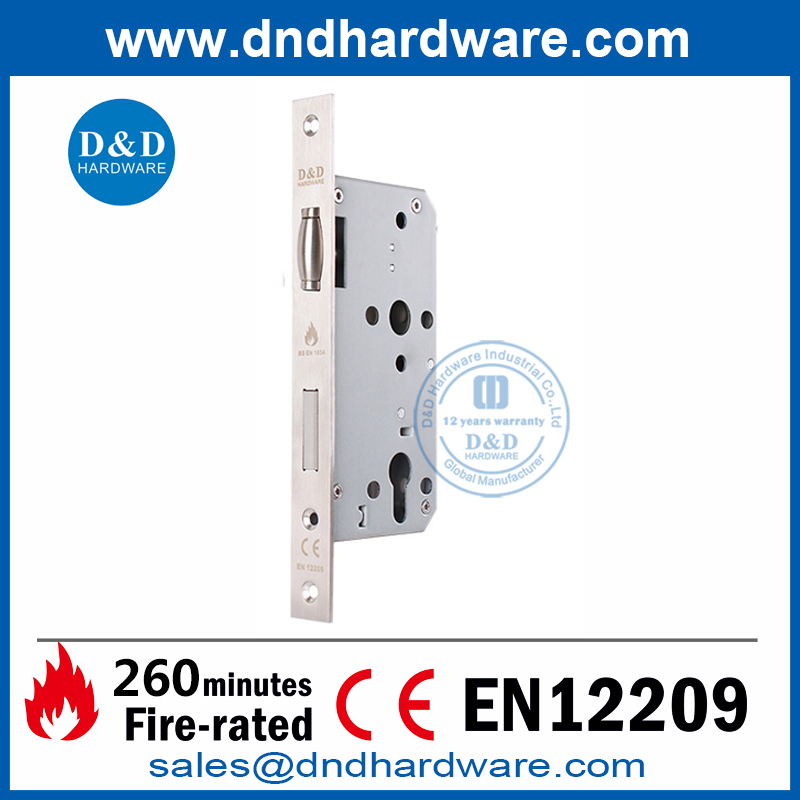
(6) Roller Bolt Mortise Lock
Uses a spring-loaded roller latch instead of a traditional latch. Ideal for glass doors, pull-handle doors, or areas requiring smooth opening without handle operation.
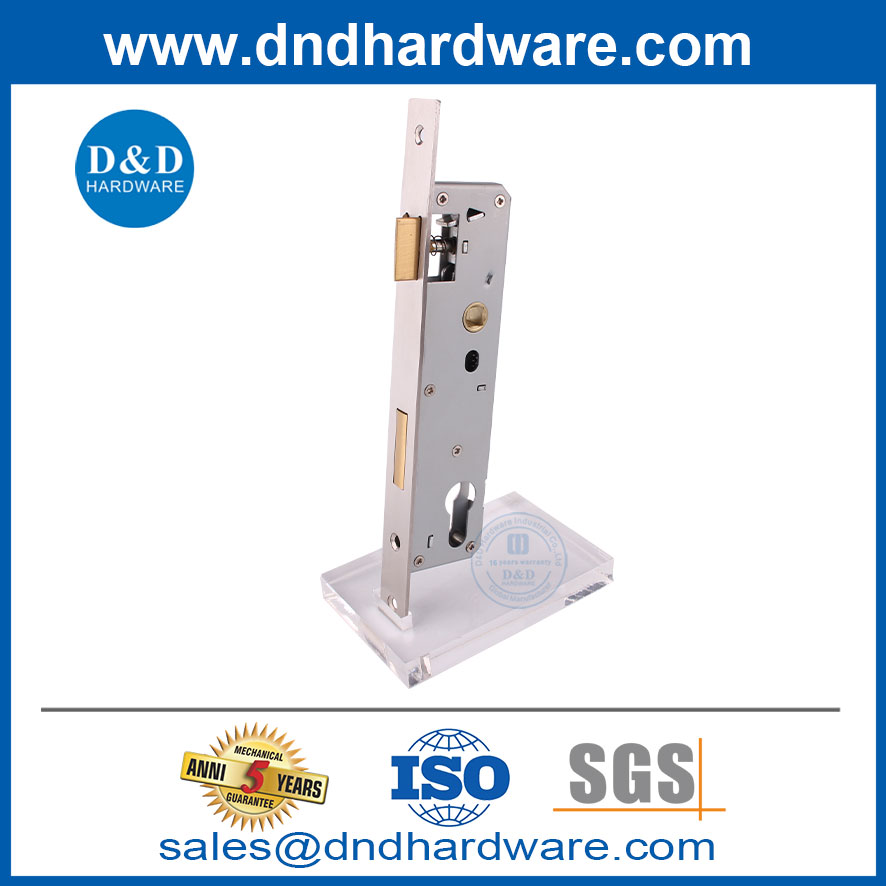
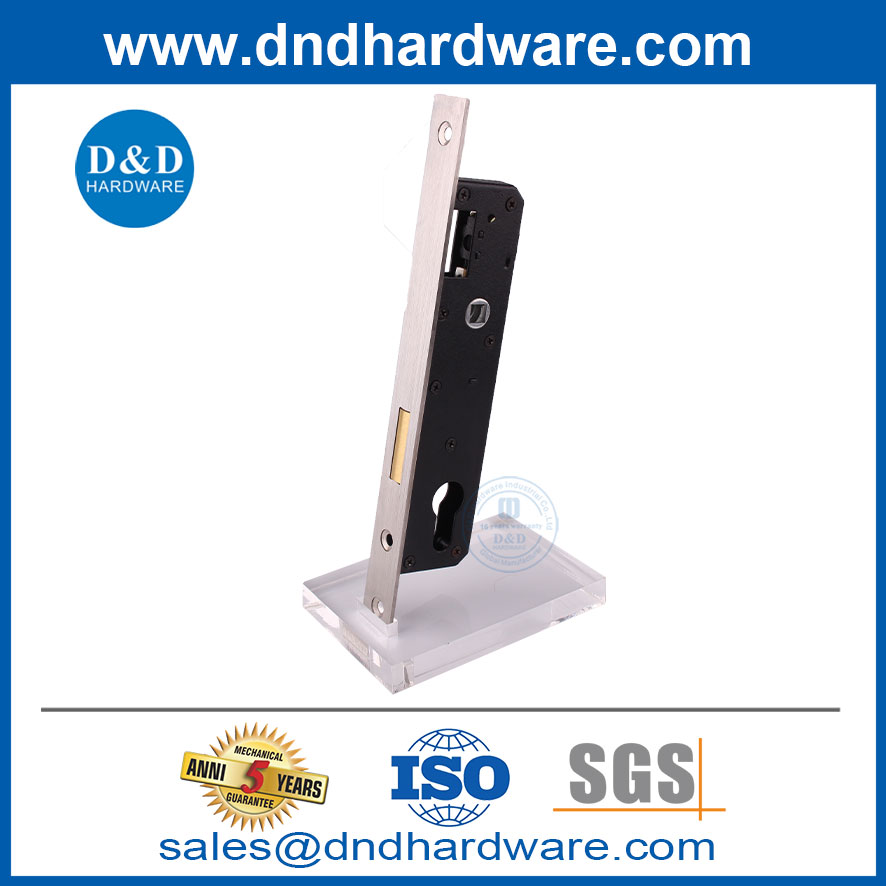
(7) Narrow Stile Mortise Lock
Designed for narrow aluminum or steel doors with limited space. Often used in commercial storefronts, glass doors, and aluminum-framed entrances.
(8) Classroom Mortise Lock
Allows a teacher to lock or unlock the outside handle using a key, enhancing school safety.
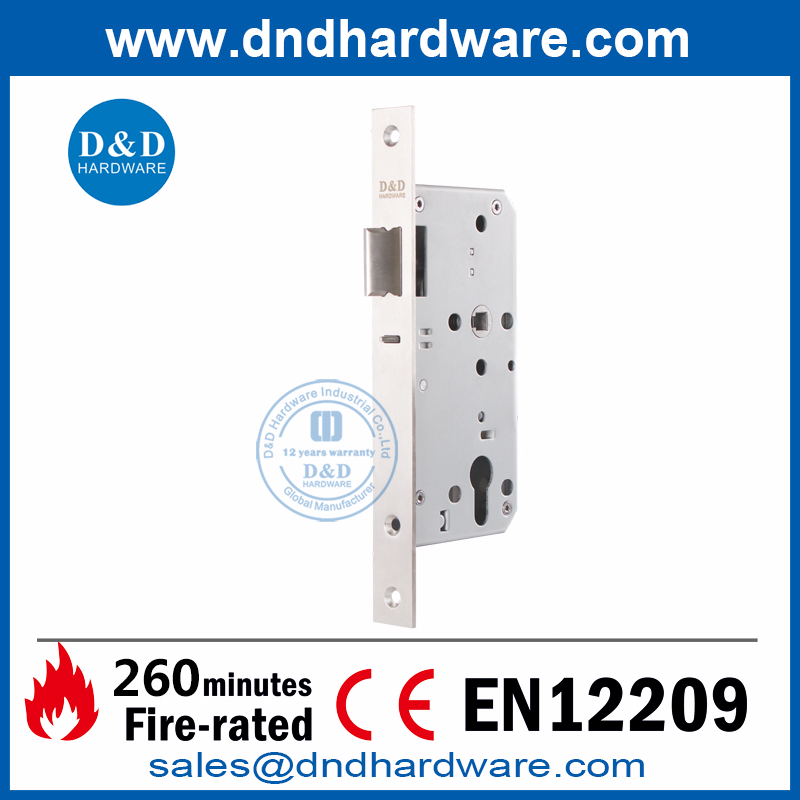
(9) Storeroom Mortise Lock
The outside lever is always locked; entry requires a key. Common in storage rooms, utility rooms, and back-of-house areas.
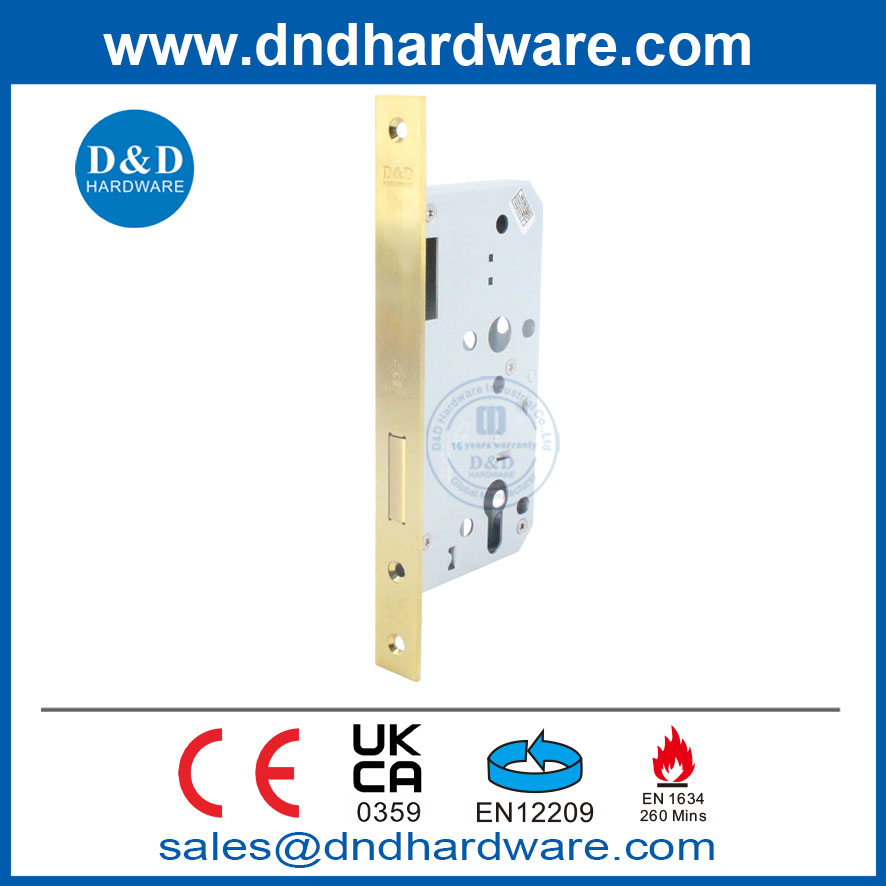
(10) Apartment or Hotel Mortise Lock
Often used with master-key systems. Allows residents and managers different access levels.
2. Regional Standards and Certification Types
Mortise locks are also classified by the standards they meet.
(1) CE Mortise Lock (EN12209 Standard) - BS EN12209 200,000 cycles test, EN1634 Fire Rated 111mins/260mins, EN1670 Corrosion Resistance 240 hours.
Widely used in Europe, Middle East, and Asia. Tested for durability, security, and fire performance. Often paired with EN1303 cylinders and EN1906 handles.
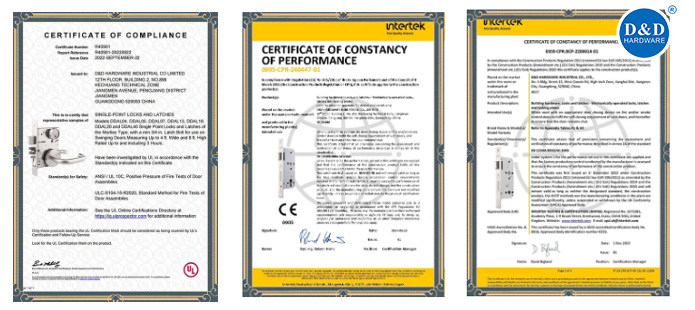
(2) UL Mortise Lock (UL 10C Standard) - UL 10C Fire Rated 3 Hours, File No.R40901
Fire-rated up to 3 hours and widely used in the U.S., Canada, and countries requiring North American safety codes. Very durable, strong, and suitable for high-traffic buildings.
(3) Non-certified Mortise Locks
Used in general residential doors or non-fire-rated doors where compliance is not required. More economical and suitable for moderate use.

3. Structure-Based Types of Mortise Locks
(1) Single-Latch Mortise Lock
Only a latch; no deadbolt. Used for passage doors.
(2) Latch + Deadbolt Combination Mortise Lock
Most common entrance lock type. Provides both convenience and security.
(3) Motorized or Electric Mortise Lock
Used with access control systems and smart locks. Automatically locks or unlocks via electronic signals.
(4) Escape / Emergency Mortise Lock
Allows immediate exit with a handle push while keeping outside secure. Often used on fire escape corridors.
4. Application-Based Types of Mortise Locks
Euro mortise locks and other mortise door lock types play essential roles in a wide range of commercial, residential, and institutional environments due to their strength, versatility, and compatibility with strict safety standards. Their design allows them to integrate into the door structure, making them more secure than surface-mounted locks and suitable for both everyday use and high-security scenarios. The following describes in detail where these locks are commonly applied and why each application requires them.
(1) Commercial Buildings
Commercial facilities such as office towers, corporate headquarters, banks, retail stores, and mixed-use complexes often rely on mortise locks for their durability and long-term performance. These buildings experience high daily foot traffic, so the lock must withstand frequent use without compromising functionality. Euro mortise locks with EN12209 and EN1303 certifications, for instance, ensure mechanical endurance, secure key control, and resistance to forced entry. They are commonly used in office entrances, meeting rooms, storage rooms, IT/server rooms, and emergency exit doors. For fire-rated doors within commercial buildings, CE-certified or UL-listed mortise locks are crucial to maintaining compartmentalization and life safety compliance.
(2) Hospitality and Hotels
Hotels demand a combination of convenience, high durability, and strong security. Mortise locks—whether mechanical, electronic, or integrated with smart-card systems—are widely used on guestroom doors, back-of-house areas, service corridors, and fire escape routes. Euro mortise locks offer smooth operation and silent latching, creating a better guest experience. In addition, UL fire-rated mortise locks ensure compliance with international fire codes. Hotels require reliable locking solutions that prevent unauthorized access while allowing safe evacuation during emergencies; therefore, heavy-duty mortise locks are ideal for hotel rooms, suites, mechanical rooms, and staff-only doors.
(3) Government and Public Institutions
Government offices, embassies, research facilities, military buildings, and public administration centers often implement mortise lock systems because of their robustness and enhanced protection against tampering. Euro mortise locks with high-security cylinders (EN1303 Grade 6 or above) are frequently specified due to their resistance to drilling, picking, and manipulation. Many government applications also require certified fire-rated locks for compliance and audit traceability. Mortise locks are often installed on confidential file rooms, server rooms, restricted workspaces, and main access points requiring strict control.
(4) Healthcare Facilities
Hospitals, clinics, laboratories, senior care centers, and medical campuses require a unique balance of safety, hygiene, accessibility, and reliability. Mortise locks with antibacterial finishes, smooth lever operation, and ADA-compliant handles (EN1906 or ANSI/BHMA standards) support safe and accessible movement for patients and staff. In areas such as emergency departments, critical care units, operating rooms, drug storage spaces, and fire escape routes, certified CE or UL mortise locks are essential. These locks help maintain fire compartmentation while providing secure but quick egress. Healthcare facilities benefit from mortise locks because they endure continuous use and support operational safety.
(5) Educational Institutions
Schools, colleges, universities, and training centers require durable and safe locking systems that can withstand heavy daily use. Mortise locks are commonly used in classrooms, auditoriums, laboratories, administrative offices, dormitories, and storage rooms. In emergency situations, doors with fire-rated mortise locks support evacuation plans and meet strict building codes. Classroom function mortise locks—offering controlled access and security during lockdowns—are especially critical in modern educational environments. Their strength, long lifespan, and compatibility with various door materials (wooden, steel, fire-resistant) make them ideal for campus-wide deployments.
(6) Residential and High-End Homes
Mortise locks are widely used in luxury homes, apartments, and villas due to their strong security and premium user feel. Euro mortise locks with advanced cylinders offer superior resistance to burglary, bumping, and lock manipulation. They are used in main entrance doors, internal passage doors, balcony doors, and garage connecting doors. Homeowners prefer mortise locks for smooth operation, quiet closing, and improved aesthetic integration into designer door handles.

5. Material-Based Types of Mortise Locks
(1) Stainless Steel Mortise Lock
Best durability and corrosion resistance.
(2) Steel Mortise Lock
Strong and economical; widely used.
(3) Brass Mortise Lock Components
Used for smooth operation and premium-grade locking mechanisms.
6. Mortise Lock Cylinder Types
Euro mortise locks often use:
-EN1303 Euro Profile Cylinder
-Double Cylinder (key both sides)
-Thumb-turn Cylinder
-Half Cylinder
-Master Key Systems
-High-Security Anti-Pick / Anti-Drill Cylinders
UL mortise locks often use:
More CE door locks, click here.
Contact us Now: Contact: David Jian
Mob:0086-139 2903 7292
Email: David@dndhardware.com, sales@dndhardware.com,
Jobby Zhang
Mob:0086-137 2599 9617
Email: jobby@dndhardware.com
D&D HARDWARE INDUSTRIAL CO.,LTD
ADD:12th Floor, Building 2, No.898, KeChuang Technical Zone, Jiangmen Avenue, Pengjiang District, Jiangmen City, Guangdong, China (Postcode:529000)
https://www.dndhardware.com
Tel: +86-750-3856396
Fax: +86-750-3856395
 English