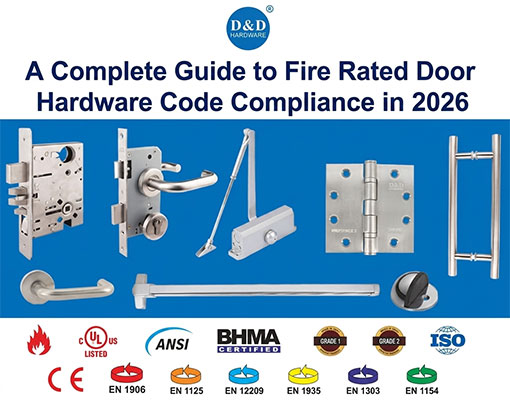
You must follow strict rules for fire rated door hardware in 2026. Safety and legal issues depend on following these rules. Fire door safety also depends on meeting these requirements. Important standards help guide fire protection and installation for fire rated doors.
NFPA 80 and NFPA 105 give rules for how things should work.
International Building Code and UAE Fire and Life Safety Code tell you about ratings and how to install.
Certifications from UL, ISO, and BHMA show that the hardware is good quality.
D&D Hardware makes sure products meet international standards and give strong protection.
Key Takeaways
Learn about fire rated door hardware rules. These rules help keep people safe and follow the law.
Follow important standards like NFPA 80 and IS 3614:2021. These standards help you install and take care of doors the right way.
Use certified hardware from trusted brands like D&D Hardware. This makes sure your doors are safe and good quality.
Keep records of test reports, installation certificates, and field labels. These records help show you are following the rules.
Check fire rated doors often. This helps you find and fix problems before they get dangerous.
Get certified installers to put in the doors. They know how to install doors correctly and follow safety codes.
Learn about new code changes for 2026. This helps you keep your building safe and follow the rules.
Always use hardware that matches tested specifications. This helps you avoid problems with the law and keeps people safe.

Fire Rated Door Hardware Code Compliance Overview
Compliance Definition
You need to know what code compliance means for fire rated door hardware. Code compliance makes sure every part of your fire door hardware follows the newest safety rules. You must pick, install, and take care of each part the right way. These rules help keep people and property safe during a fire. You cannot skip code compliance because it is required by law and insurance. If you do not follow the rules, you could get in trouble and your building might not be safe.
D&D Hardware helps you follow these rules. The company gives you fire rated door hardware that passes big certifications. You can trust their products to meet the new fire-rated door rules for 2026. Their knowledge of standards means you get good solutions for every job.
Key Standards for 2026
There are several important standards for fire rated door hardware in 2026. These standards help you pick the right hardware and make sure your fire doors work well.
IS 3614:2021
IS 3614:2021 is a big standard in India. It tells you what fire doors and their hardware must do. You must use hardware that passes full fire tests. The code does not let you claim compliance for just one part. Every piece, like locks, hinges, and seals, must work together as a team. You need BIS licensing and the Standard Mark to sell fire rated door hardware in India.
NFPA 80
NFPA 80 is a rule you must follow in the United States. It covers how to put in and take care of fire doors and fire door hardware. You must use certified locks, latches, and exit devices. The code says fire doors must always work right. You must also follow strict rules for checking and fixing fire doors.
UL, CE, ANSI, BHMA
You will see these certifications on good fire rated door hardware:
UL: This certification is common in the US and other places. It shows the hardware meets tough fire and safety rules.
CE / BS EN: These are European certifications. They prove your fire door hardware meets safety and performance rules in the EU.
ANSI/BHMA: These American standards check durability and how things work. You need hardware that passes these tests for code compliance.
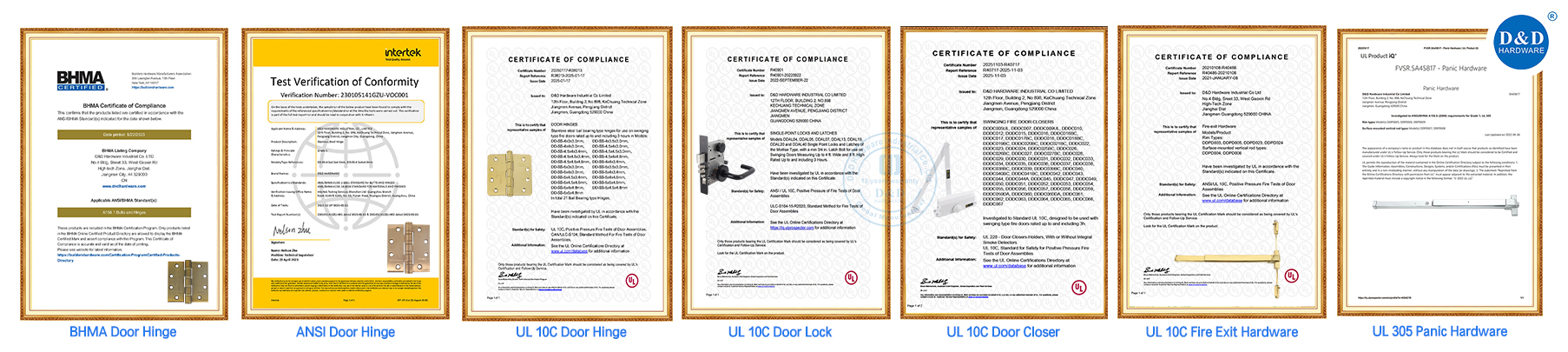
D&D Hardware has UL listings, CE certifications, and ANSI/BHMA approvals. Their products include fire-rated hinges, door closers, panic exit devices, and mortise locks. You can count on their hardware to meet fire door rules in many places.
BIS QCO
The BIS QCO (Bureau of Indian Standards Quality Control Order) is a new rule for 2026. You must have BIS certification for all fire doors and hardware sold in India. The code needs full-assembly testing and permanent labels for tracking. You must keep records of all certifications and test reports.
2026 Code Updates
There are many changes in fire rated door hardware code compliance for 2026. These updates affect both new and old buildings. Here are the main changes you should know:
Stronger checks with NBC 2025 as the main guide.
AHJ sign-off is now required for tall or special buildings.
New EW rating for glazed fire doors.
BIS QCO and IS 3614:2021 now need full system fire tests and BIS licensing.
End-to-end certification, including factory checks and permanent labels.
Fire doors must be made as full systems, with all parts tested together.
Installation must match tested setups, using approved gaskets and hardware.
Only teams trained by the manufacturer can install fire doors.
Smoke seals are now needed to stop leaks.
You must keep detailed papers, like test reports, installation certificates, and proof of checks.
The table below shows how these code updates change fire rated door hardware:
Key Change | Impact on Fire Rated Door Hardware |
Certification Standards | You must use hardware with third-party checks. |
Installation Standards | You need active labels from trusted agencies. |
Component Performance | Each part must show it works to keep the fire rating. |
Wiring Penetrations | You must protect fire safety when using electric hardware. |
Dimensional Tolerances | You must follow new limits to stop smoke leaks and keep safety. |
You must follow these new fire-rated door rules to meet code compliance. D&D Hardware helps you with certified products and expert advice. Their fire rated door hardware meets all the rules for 2026, so you can trust your fire doors to work when needed.
Tip: Always check the newest fire door rules and keep your papers up to date. This helps you pass checks and keeps your building safe.
Fire-Rated Door Hardware Components
When you pick fire-rated door hardware, you need to know each part. All the parts work together to keep people and property safe in a fire. You cannot leave out any part or use pieces that are not tested. The rules for 2026 are very strict. You must follow the newest fire door specifications to pass checks and keep your building safe.
Essential Hardware
You must use the correct fire-rated parts for your fire doors. Each part has its own job. Here are the main parts you need:
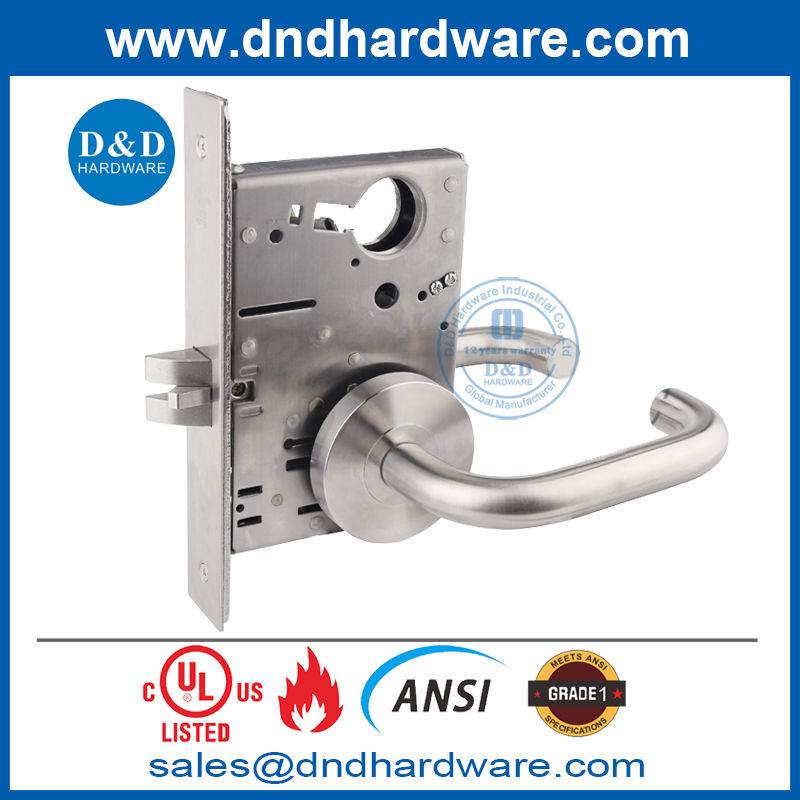
Locks and Latches
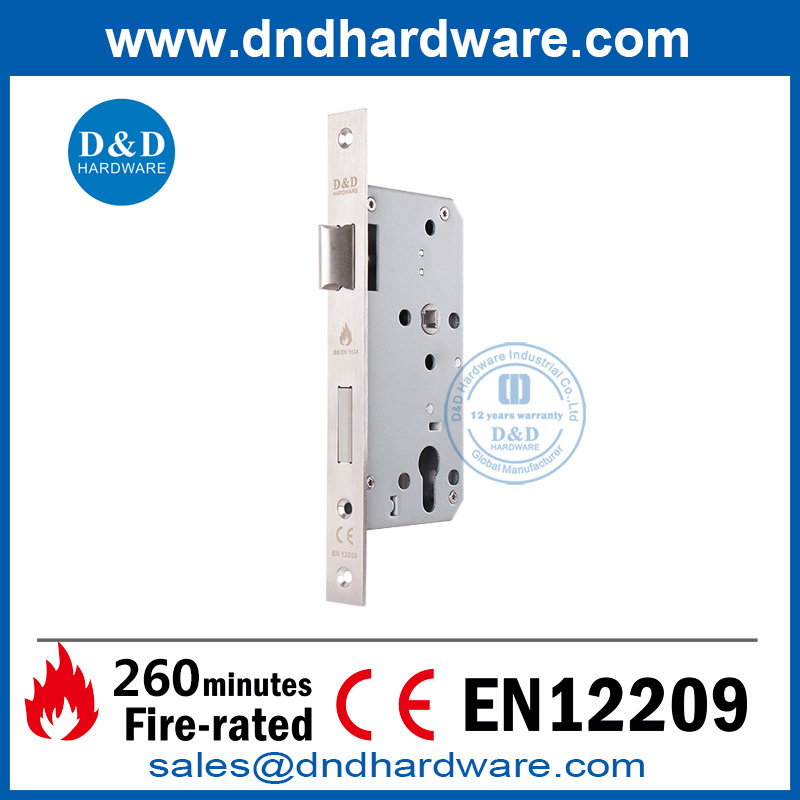
Locks and latches keep fire doors closed and safe. The rules say the latch bolt must stick out at least 1/2 inch past the lock case. This stops smoke from getting through cracks. The lock case must handle high heat and keep working in a fire. You must use locks that match the fire resistance rating of your fire door assemblies. Always check the specs to make sure the lock fits your door and follows the rules.
Hinges and Pivots
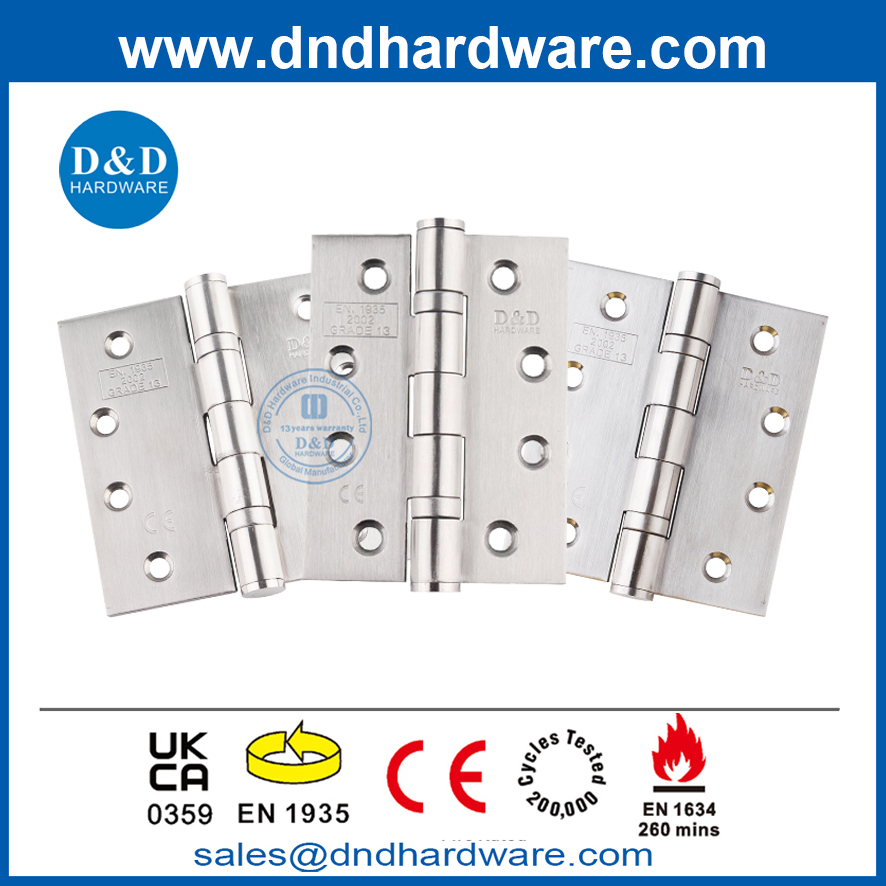
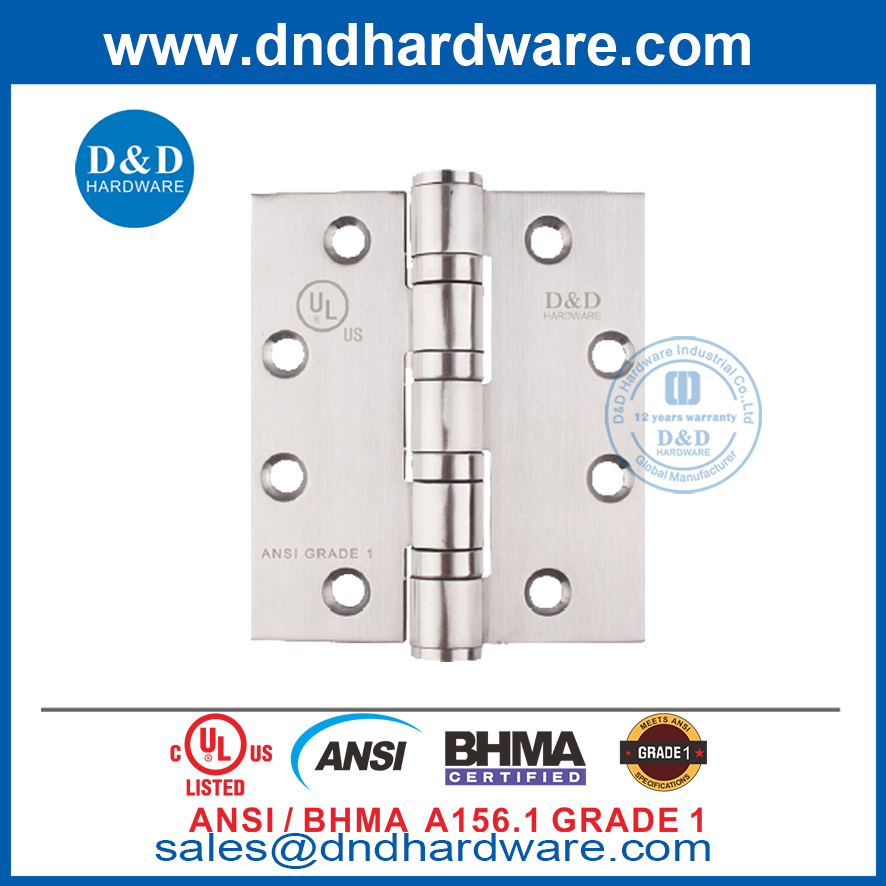
Hinges and pivots hold the fire door up and let it swing open and shut. The rules say you must use hinges that can hold the door’s weight, even in high heat. The hinge material must match the fire rating of the door. You must use steel screws to put on the hinges. This keeps the fire door hardware strong in a fire. Always check the specs for the right kind and number of hinges.
Door Closers
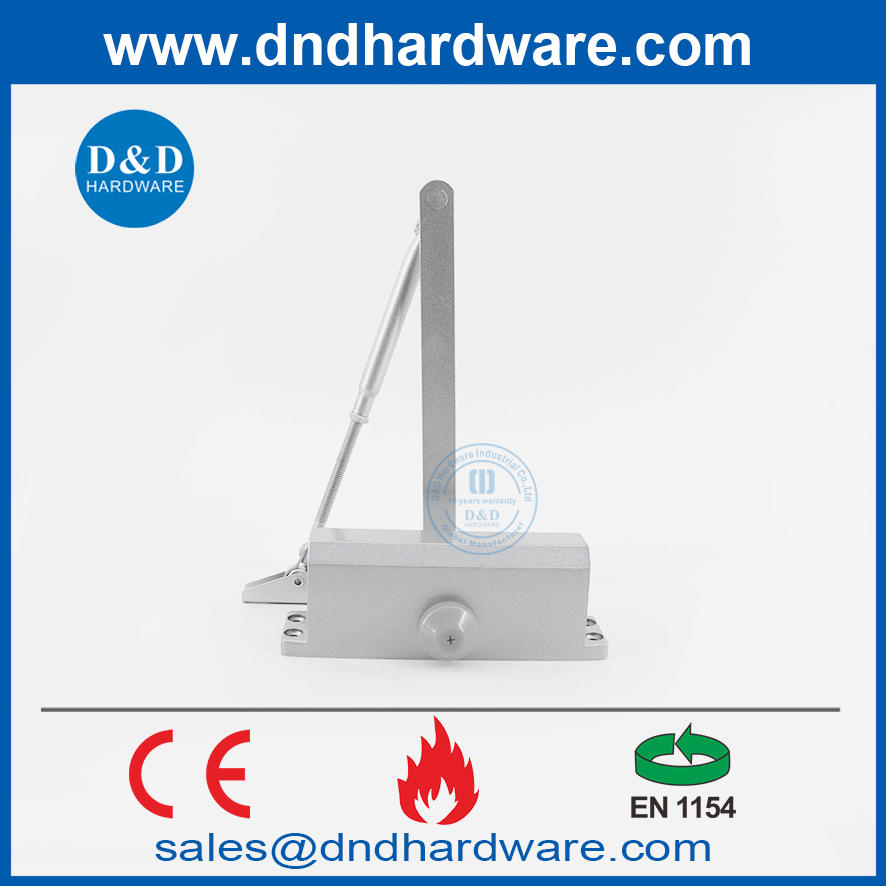
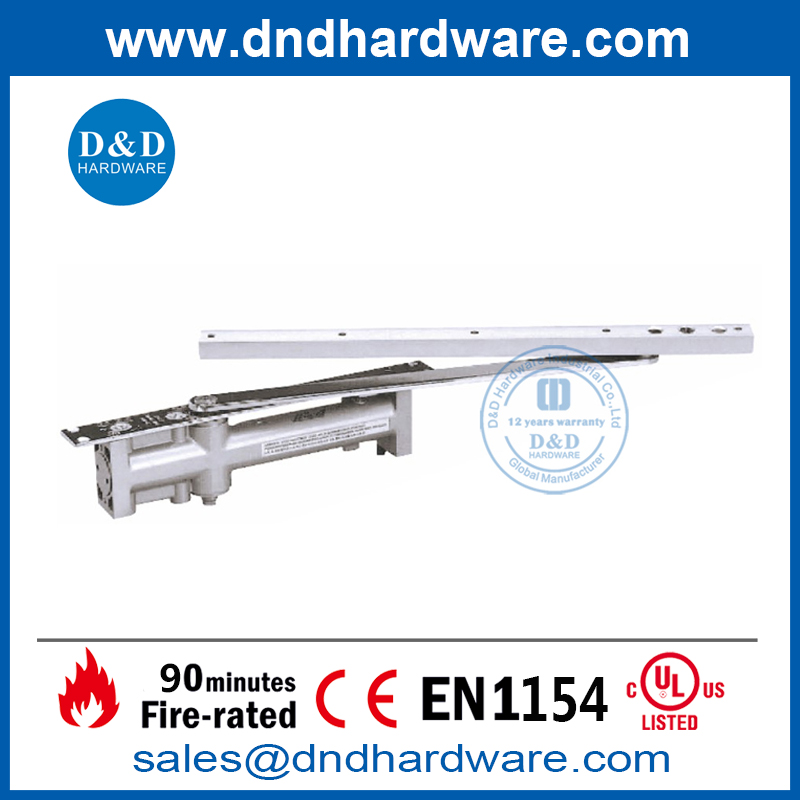
Door closers make fire doors shut by themselves after someone opens them. This matters because an open door lets fire and smoke spread. The rules say you must use door closers that work with your fire-rated door. The closer must shut the door all the way and fast. You must install the closer just like it was tested. This keeps your fire door assemblies safe and following the rules.
Exit Devices
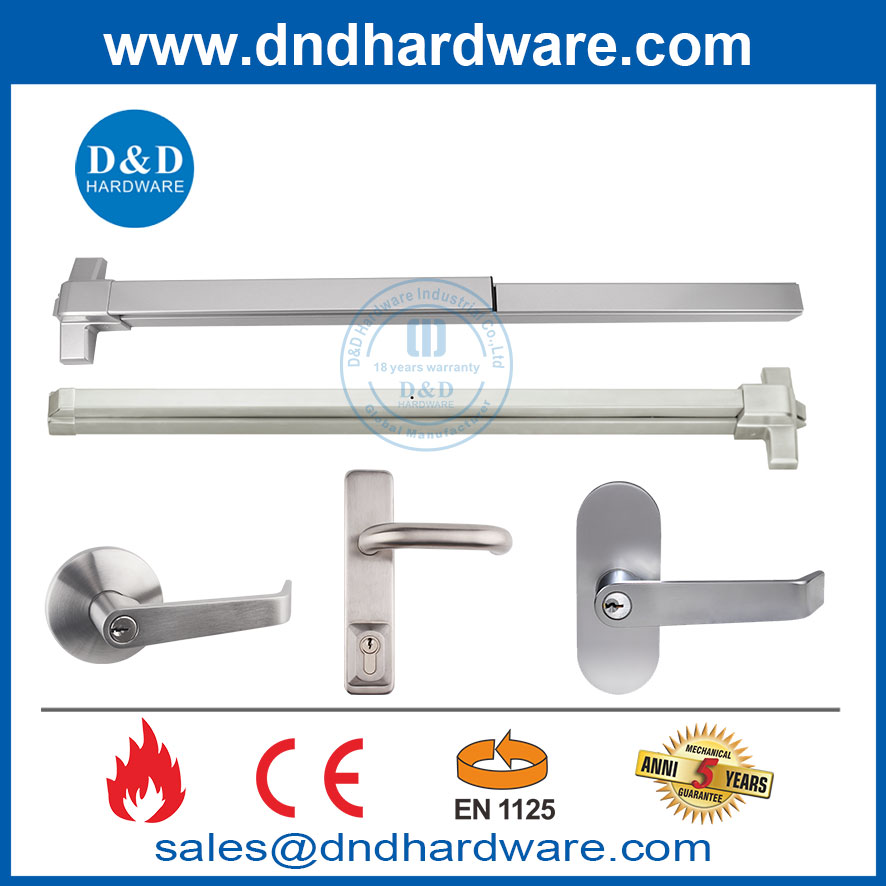
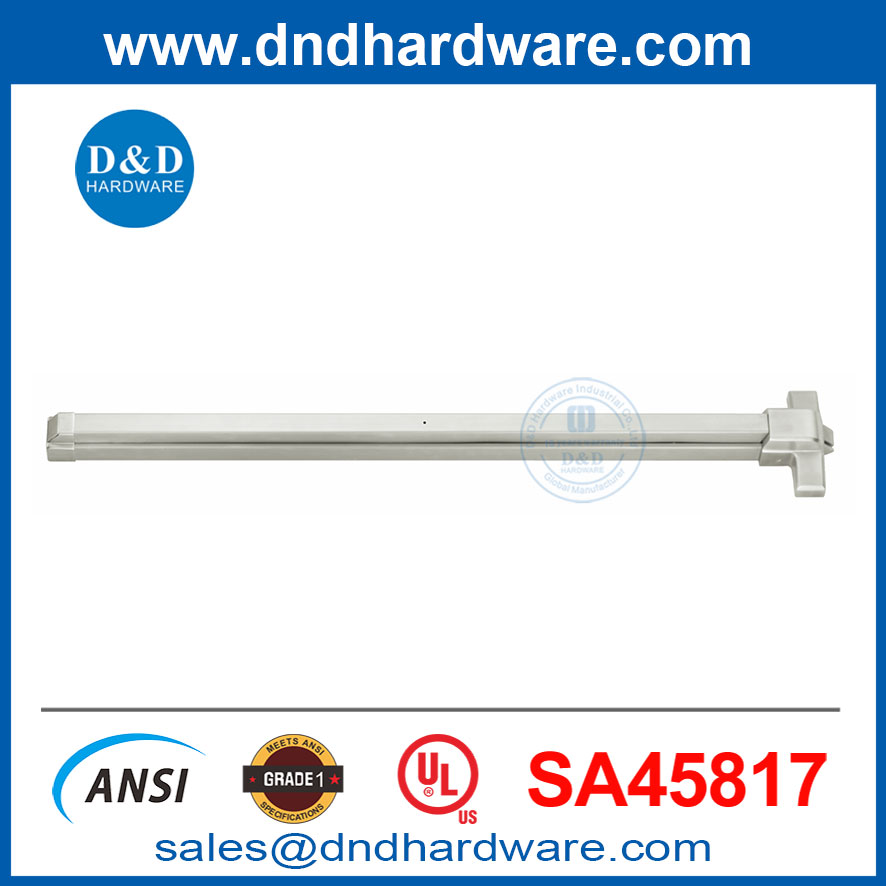
Exit devices, also called panic bars, help people leave quickly in an emergency. The rules say you must use exit devices tested with your fire doors. These devices must work even if the building is hot or smoky. You must use exit devices that are easy to push and do not get stuck. This helps everyone get out safely.
Seals and Astragals
Seals and astragals fill the spaces around fire doors. The rules say you must use smoke seals around the edges to stop smoke from leaking. Astragals cover the space between double doors. You must use approved gaskets and make sure they fit tight. The sealing system must match what was tested with your fire-rated door hardware.
Glazing and Vision Panels
Glazing and vision panels are the glass parts in fire doors. The rules say you must use glass that matches the fire resistance rating of the door. The specs must include the glass thickness, glazing bead, and edge retention. You must use only tested and approved glazing for your fire door assemblies. This keeps the door strong and safe in a fire.
Note: Every piece of fire-rated door hardware must be part of a tested system. You cannot swap parts or use hardware that is not tested. The rules say you must use only what is listed in the test report.
Complete Assembly Certification
You must get complete assembly certification for your fire-rated door hardware. This means every part of your fire doors, from locks to seals, must be tested together as a system. The rules say you cannot claim compliance for just one part. You must show that all parts work together to meet fire-resistance standards.
Requirement | Description |
Joint Validation | Hardware and seal makers must test their products together as one system. |
Declaration of Performance | You must list door thickness, seal setup, and material details. |
Testing Variations | You must test different setups to meet all requirements. |
You must keep test reports, installation certificates, and field labels. The rules say you must match the installation to the tested setup. Regular re-inspection is now common, especially in busy or high-risk buildings.
D&D Hardware Product Features
D&D Hardware gives you fire-rated door hardware that meets all the rules for 2026. You get products with CE and UL fire-rated certifications. These products meet strict international standards for fire-resistance and safety. D&D Hardware designs hardware to work in high heat and busy places. You lower your legal risks when you use certified hardware from D&D Hardware.
Feature | D&D Hardware | Competitors |
Certifications | CE and UL fire-rated certifications | Varies, often less stringent |
Safety Standards | Meets strict international standards | May not meet all standards |
Enhanced Safety | Designed to withstand high temperatures | Varies |
Regulatory Compliance | Reduces legal risks | May not ensure compliance |
Durability | Built for high-traffic environments | Varies in durability |
You can find everything you need for your fire doors at D&D Hardware. The product range includes fire-rated hinges, locks, door closers, exit devices, and seals. Each product is tested as part of a complete fire door assembly. You get hardware that matches the fire-rated door specifications and helps you pass every check.
Tip: Always use fire-rated door hardware that is tested and certified as a complete system. This keeps your fire doors safe and helps you meet all rules.

Certification, Testing, and Labeling
Accredited Testing
You need to make sure your fire rated door hardware passes accredited testing before you use it. Accredited testing checks if the hardware can handle fire and smoke for a certain time. EN 1634-2 gives the rules for these tests. Labs put the hardware in fire and see how long it lasts. They check if the hinges, locks, and closers still work during the test. Accredited testing also looks at strength, endurance, and if the hardware can resist rust. Labs use rules from EN, BHMA, and SDI. Some labs test hardware in their own building, but others use UL’s Data Acceptance Program for on-site checks. Accredited testing shows your hardware meets the code and will keep people safe in a fire.
Tip: Always ask for accredited test reports when you buy fire rated door hardware. This helps you meet the rules and keeps your building safe.
Third-Party Certification
You need third-party certification to show your fire rated door hardware meets the code. Third-party certification means a group that is not part of your company checks your hardware and gives you a certificate. This certificate proves your hardware passed all fire safety tests. You can see which groups are trusted in the table below:
Certification Body | Evaluation Criteria |
Jensen Hughes | Fire testing and checks using AS 1530.4 and other rules. Reports meet NCC rules. |
UL | Checks fire-rated doors and hardware using UL 10C for door assemblies. |
You also see other rules like UL 10C, BS EN 1634, and ANSI/BHMA. These groups check if your hardware works in real fire situations. You must use hardware with third-party certification to meet the code. This step is not a choice. It is part of the rules for every fire rated door hardware system.
UL 10C covers fire tests for door assemblies.
BS EN 1634 checks fire resistance for door assemblies in Europe and the UK.
ANSI/BHMA sets American rules for hardware types.
Third-party certification lets you track each piece of hardware from the factory to your building. This makes it easy to show your hardware meets the code.
Field Labeling
Field labeling is an important step for fire rated door hardware. You must keep the UL label in good shape and put it along the hinge edge of the door. The label shows your hardware is part of a certified assembly. You must match all hardware to the UL-listed setup. If you change any part, you lose certification. Smoke and draft control uses an ‘S’ label, which is different from the fire rating. Field labeling helps you track your hardware. Inspectors check the labels to make sure your doors meet the code.
Requirement | Description |
UL Certification | Hardware must be part of a full UL-certified assembly, not just the door slab. |
Labeling Location | UL label must be in good shape and put along the hinge edge of the door. |
Hardware Consistency | All hardware must match the UL-listed setup. |
Smoke Control | ‘S’ label shows smoke and draft control, different from fire rating. |
Note: Field labeling is your proof of certification and tracking. Always check the labels during inspections.
Traceability
You must keep track of every step with fire rated door hardware. Traceability means you can follow each part from the factory to your building. This helps you show your doors meet the code and pass checks. You need a quality management system, good records, and certified parts.
Here is how traceability works for fire rated door hardware in 2026:
Element | Description |
Quality Management System | You need ISO 9001 certification. This system checks that you follow clear steps and always improve. |
Documentation Packages | You must keep shop drawings, test reports, and certification documents for every project. |
Submittal Processes | You must get approval before you install anything. This makes sure you follow the rules. |
Coordination with Authorities | You must work with local Civil Defense to meet all code requirements. |
Certified Components | You must use hardware with CE and UL marks to keep the fire rating strong. |
You should keep these records for each project:
Shop drawings that show the approved design.
Full test reports from trusted labs.
Certification documents for every part.
Material certificates from the manufacturer.
The manufacturer's quality control plan.
Traceability helps you prove your fire doors are safe and legal. If you need to check or fix a door, you can find all the details fast. This makes your job easier and keeps your building safe.
D&D Hardware Compliance Solutions
You can trust D&D Hardware to help you follow all the rules. The company gives you products that pass strict international standards. You get hardware with ISO 9001, UL, ANSI, CE, BS EN, and BHMA certifications. These certifications show the products are safe and strong.
Certification Type | Details |
ISO 9001 Certified | Yes |
UL Listed | Yes |
ANSI Certified | Yes |
CE Certified | Yes |
BS EN Certified | Yes |
BHMA Certified | Yes |
Fire Resistance | 90 minutes |
You can pick from many solutions:
Fire rated hydraulic door closers that last up to 90 minutes in a fire.
Exit devices made from strong 304 stainless steel.
Hardware that works for metal, wood, and fire-rated doors.
Products that are easy to use with one hand.
All items certified to CE (EN1125), UL, ANSI, and BHMA standards.
D&D Hardware gives you everything you need to meet the code. The fire rated hydraulic door closers help keep doors closed during emergencies. The exit devices let people leave quickly and safely. Every product comes with full certification and test reports. You get help with installation and record-keeping, so you always stay compliant.
Tip: Always ask for certification papers and keep them in your records. This helps you pass checks and keeps your building safe.
Installation and Maintenance Best Practices
Certified Installers
You need certified installers for fire-rated door hardware. Certified installers are important for following all the rules. They must finish Intertek’s training and certification program. This program teaches them about the rules and how to label doors. Installers must pass a test and use a special drilling tool. Always check if your installer has the right certificate before starting.
Installers finish Intertek’s training and certification program.
They must pass a test to get certified.
Installers use a special drilling tool.
Training teaches rules and labeling.
Tip: Certified installers help you avoid mistakes and keep your building safe.
Installation Tolerances
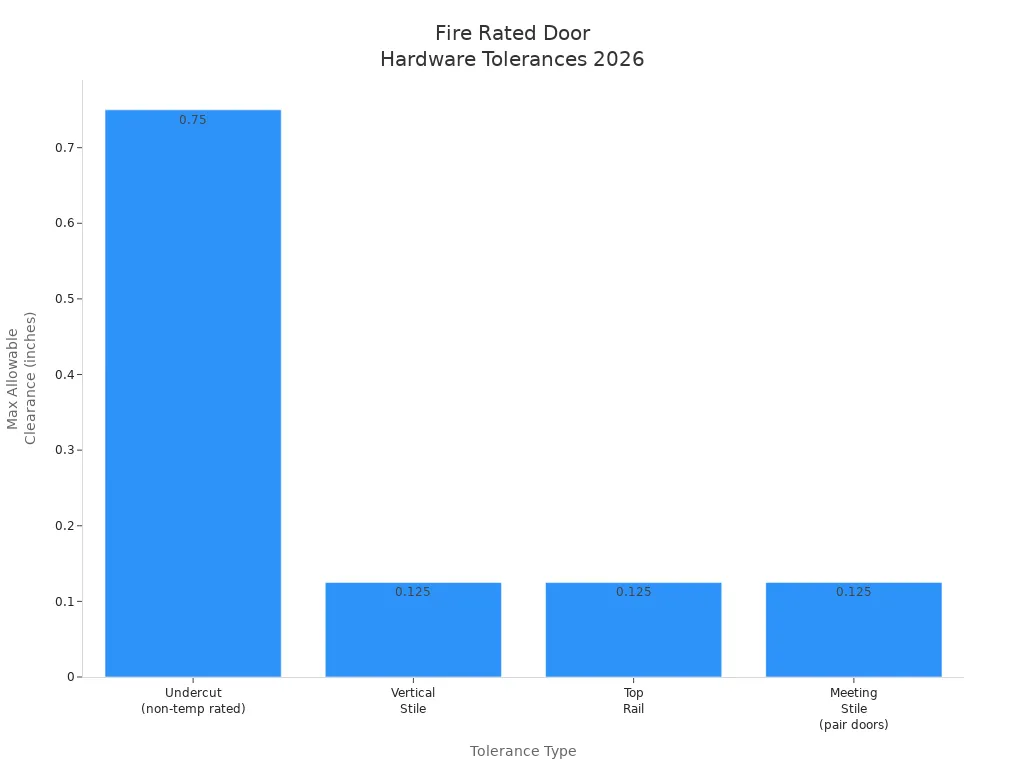
You must follow strict rules when installing fire-rated door hardware. The 2026 rules set clear limits for gaps and spaces. If you do not follow these limits, your fire-rated door may not pass checks. The table below shows the biggest gaps allowed:
Tolerance Type | Maximum Allowable Clearance |
Undercut (non-temperature rated) | 3/4 inch (19 mm) |
Vertical Stile Clearance | 1/8 inch (3 mm) |
Top Rail Clearance | 1/8 inch (3 mm) |
Meeting Stile Clearance (pair doors) | 1/8 inch (3 mm) |
You must measure every gap and make sure it meets the rules. Small gaps help stop smoke and fire from spreading.
Note: Always use the right tools to measure gaps and spaces when you install.
Inspection Protocols
You must check fire-rated door hardware often to follow all the rules. Inspections help you find problems before they become dangerous. You need to check that every door closes and locks. Never use kickstands or wedges to keep fire doors open. If you find broken or missing parts, fix them fast. Missing fire doors must be replaced in 24 hours. Most other problems must be fixed in 30 days. Fire-rated doors must stay in good shape to pass checks.
Here is a checklist for your inspections:
Check the door frame for bending, dents, and strong anchoring.
Look at the door leaf for damage and if it lines up.
Test all hardware to see if it works and is tight.
Check seals for damage and replace them if needed.
Make sure labels are easy to see and meet the rules.
Measure gaps to match NFPA 80 rules.
Test self-closing devices to see if they work right.
Keep the area near the doorway clear.
Check walls and ceilings near the door for damage.
Make sure fire doors are easy to reach and have the right signs.
Alert: If you find a missing fire-rated door, you must fix or replace it in 24 hours.
Regular checks and fast repairs help you follow all the rules for fire-rated door hardware. This keeps your building safe and ready for emergencies.
Maintenance Guidelines
You need to keep your fire-rated door hardware in good shape to make sure it works during an emergency. Regular maintenance helps your fire-rated door hardware last longer and keeps your building safe. Here are some best practices you should follow:
Lubricate all moving parts, such as hinges and latches, to keep them working smoothly.
Adjust the alignment of the door and hardware if you notice any sticking or dragging.
Check that the closing path stays clear. Do not let anything block the door from closing all the way.
Clean the hardware and door surfaces with gentle materials. Follow NFPA 80 rules for cleaning, especially if your door has fire-rated glazing or special finishes.
Inspect the certification label on your fire-rated door hardware. Make sure it stays in place and is easy to read.
Never remove, cover, or paint over the certification label. This label proves your hardware meets fire safety codes.
Keep a file with all important documents. Store purchase records, installation details, and yearly inspection reports together.
Schedule regular checks to spot any problems early. Fix any issues right away to keep your fire-rated door hardware working as it should.
Tip: Good records and regular care help you pass inspections by fire marshals and building inspectors.
D&D Hardware Support Services
You can count on D&D Hardware for help with your fire-rated door hardware. The company gives you expert advice on choosing the right products for your project. You get detailed hardware matching plans that fit your building’s needs. D&D Hardware also teaches you how to install and maintain your fire-rated door hardware the right way. Their team shows you how to clean and care for hinges and other parts so your fire-rated door stays strong and safe. If you have questions or need help, D&D Hardware offers support every step of the way. This makes it easier for you to keep your fire-rated door hardware in top condition and follow all the rules.

Documentation and Record-Keeping
You have to keep good records to follow the fire rated door hardware rules in 2026. Keeping the right papers helps you show your building follows every rule. If someone checks your building or asks legal questions, your records will help you.
Required Documents
You need to save some important papers. Each one proves you follow the fire rated door hardware rules.
Test Reports
Test reports prove your hardware passed fire-resistance tests. Labs use standards like UL 10C for these tests. You must keep a report for every piece of hardware you use. These reports show your doors and hardware are safe from fire.
Installation Certificates
Installation certificates show you put in the hardware the right way. These papers prove you followed all the rules when you installed the hardware. Keep these certificates in your project folder. Inspectors will want to see them to check if you did things right.
Field Labels
Field labels are stuck on your fire doors. These labels show the door and hardware meet all the rules. You must keep a list of every label. The label tells you the fire rating and who certified it. If you change any hardware, you need a new label to show you still follow the rules.
Here is a table that lists the main standards and what they cover:
Standard | Description |
UL 10C | Shows fire-rated door hardware passed fire-resistance tests. |
NFPA 80 | Gives rules for putting in and taking care of fire doors and hardware. |
IBC | Lists building rules for fire safety and how people get out. |
Importance of Records
You must keep good records for every fire door in your building. Good records help you track checks, repairs, and new parts. These papers prove you follow the rules and keep your building safe. If you need to show you follow the rules, your records will help you. Keep a file with receipts, install papers, and check-up reports. This keeps you safe from legal trouble and shows you follow the rules.
Tip: Good records help you pass checks and keep everyone in your building safe.
Digital Compliance Tools
Digital tools help you keep your papers and follow the rules. You can use software to track checks, save test reports, and manage field labels. For example, the Campus Door Hardware Inspection and Maintenance tool helps you set up a check-up plan. This tool lets you list your doors and make checklists. You can find problems faster and fix them before they get worse.
Tool Name | Description |
Campus Door Hardware Inspection and Maintenance | A CMMS tool that helps campus teams start a door hardware check-up plan in 8–12 weeks. It helps you list doors and make checklists. |
D&D Hardware helps you keep your papers and digital files in order. The company helps you keep all your records neat and up to date. You can trust D&D Hardware to help you follow every rule for fire rated door hardware code compliance.
Common Compliance Challenges
Hardware Substitution
You can have problems if you use the wrong hardware. Hardware substitution means you swap tested parts for ones that do not match. This mistake breaks the rules for fire doors. It also makes fire door safety weaker.
Here is a table that shows common hardware substitution issues, what they mean, and what can happen:
Issue Type | Description | Consequences |
Incompatibility of Components | Non-listed parts used together, breaking fire door rules. | UL listing fails, you may need to redo specs or replace everything. |
Non-Fire-Rated Hardware | Using regular closers, hinges, or latch bolts instead of fire-rated ones. | Change orders happen, costs can go up by 20-30%, and projects get delayed. |
Missing/Incorrect Labels | Labels on doors, frames, or hardware are missing or wrong. | You must redo work and pay extra for new parts or changes. |
Improper Firestopping | Firestopping around the frame is not finished. | More labor is needed, costing $500 to $1,000 for each opening. |
Electrified Hardware Complexity | Electrified parts used without experts. | Costs and difficulty go up, sometimes $500-$1,000 for each opening. |
You must always use hardware that matches the tested specs for fire doors. This is required for code compliance and fire safety. If you use wrong parts, you may have to replace everything. This can cost lots of money and take a long time.
Installation Errors
You must follow all rules when you install fire doors. Small mistakes can cause big problems for fire safety and checks. Here are some common installation errors:
Installation Error | Description |
Hinge Alignment | Hinges not lined up can make gaps. Smoke or fire can get through. Tolerances matter, especially when it is hot. |
Intumescent Seal Compression | Gaps change with heat, so seals can fail. Smoke can leak or the door may not close. |
Lock Case Pocket Sizing | If the pocket is too big or small, the door loses its fire rating. |
You must check all sizes and follow the rules for each part. Always use the right tools and follow the specs for every fire door. If you skip steps or rush, you may fail checks and put people in danger.
Tip: Take your time when you install. Double-check every step to meet all rules and keep fire doors safe.
Missing Documentation
You must keep all papers for your fire doors. Missing documents is a common problem that can cause big trouble. Without the right records, you cannot prove you followed the rules for fire doors.
Here are some papers you need to keep:
Original fire door schedule and specs
Field labeling agency reports
Product specs for new hardware
Repair bills and work orders
Written AHJ approvals
Inspection records
Photos
If you lose these papers, you may get fines, stop-work orders, or legal trouble. The table below shows what can happen if you do not keep good records:
Consequence | Description |
Significant Fines | Fines can be hundreds or thousands of dollars for each violation, and can add up every day. |
Stop-Work Orders | Authorities can stop your project until you fix the problem and follow all rules. |
Legal Liabilities | Missing papers can cause legal trouble, especially if there is an accident or insurance claim. |
You must keep all records up to date. This helps you pass checks and shows you follow all rules for fire doors and fire safety.
Solutions from D&D Hardware
You can fix many fire rated door hardware problems by picking the right company. D&D Hardware helps you follow every code rule. You get more than just hardware. You get a full plan that helps you avoid mistakes.
Here is how D&D Hardware helps you with compliance:
Choose certified hardware for all fire-rated doors. D&D Hardware checks every hinge, lock, closer, and exit device. They make sure each part meets UL, CE, and ANSI rules. You know your hardware will pass checks and keep people safe.
Pick strong materials like stainless steel for durability. D&D Hardware uses stainless steel that does not rust or break easily. This keeps your fire doors strong, even in busy places. Your doors last a long time.
Ensure each part fits your fire rated door openings. D&D Hardware matches hardware to your door’s size and type. You get hinges, locks, and closers that fit right. This stops gaps and keeps doors working well.
Inspect and maintain fire-rated doors often. D&D Hardware gives you tips and checklists for maintenance. You can find problems early and fix them before they get worse.
D&D Hardware uses a Door Solutions plan. You get a package with hinges, locks, closers, panic hardware, and other parts. Each package is made for your building. All parts work together as a team. This lowers mistakes during installation. Your fire doors work better and last longer.
Tip: Always use hardware from one trusted company. If you use D&D Hardware for all your fire-rated door needs, you make following the rules easier and safer.
You also get help with paperwork. D&D Hardware gives you test reports, install guides, and certification papers for every product. You can keep your records ready for any check.
If you have questions, D&D Hardware has experts to help you. You can ask about products, how to install, or how to take care of your doors. The team helps you fix problems fast.
When you work with D&D Hardware, you make fire rated door hardware compliance easy. You get certified hardware, good advice, and help from start to finish.
You can meet fire rated door hardware code compliance in 2026 by doing these things:
Pick hardware that is certified for each fire door.
Put in every part carefully and check the labels.
Keep records and check your doors often.
Remember: Certified assemblies and new codes help keep your building safe. D&D Hardware gives you trusted products and expert help. Their solutions make following the rules easy and help protect everyone in your building.

FAQ
What is fire rated door hardware?
Fire rated door hardware includes locks, hinges, closers, and exit devices. You use these parts on fire doors to help stop fire and smoke. Each part must pass strict safety tests.
Why do you need certified fire rated door hardware?
Certified hardware proves your doors meet safety codes. You lower risks and avoid fines. You also help protect people and property during a fire.
How often should you inspect fire rated door hardware?
You should check your fire rated door hardware at least once a year. Some buildings need more checks. Always fix problems right away.
Can you replace fire rated door hardware with any brand?
Alert: You cannot swap parts with any brand. You must use hardware tested and certified for your specific fire door. This keeps your door safe and legal.
What documents do you need for code compliance?
You need test reports, installation certificates, and field labels. Keep these records in a safe place. Inspectors will ask for them during checks.
How do you know if your hardware is fire rated?
Look for labels like UL, CE, or ANSI on the hardware. These marks show the hardware passed fire safety tests. You can also ask for test reports from your supplier.
Where can you get help with fire rated door hardware compliance?
You can contact D&D Hardware for expert advice. The team helps you pick, install, and maintain the right products. Visit D&D Hardware’s website for more support.
Complete Fire Rated Door Hardware Solutions
Understanding fire-rated door hardware codes is only the first step. In real projects, compliance depends on selecting a fully tested and certified door hardware system—not just individual components.
Fire door assemblies are evaluated as a complete unit, including hinges, locks, closers, and exit devices. Using non-compliant or mismatched hardware can compromise the entire fire rating and lead to inspection failure.
At D&D Hardware, we provide a full range of fire rated door hardware, including UL listed hinges, fire-rated locks, door closers, and panic exit devices designed for commercial and high-safety applications.
▶ Explore our complete fire door hardware solutions to ensure compliance, safety, and long-term performance for your project.
Contact us Now:
Contact: David Jian
Mob:0086-139 2903 7292
Email: David@dndhardware.com, sales@dndhardware.com,
Contact: Jobby Zhang
Mob:0086-137 2599 9617
Email: jobby@dndhardware.com
D&D HARDWARE INDUSTRIAL CO.,LTD
ADD:12th Floor, Building 2, No.898, KeChuang Technical Zone, Jiangmen Avenue, Pengjiang District, Jiangmen City, Guangdong, China (Postcode:529000)
https://www.dndhardware.com
Tel: +86-750-3856396
Fax: +86-750-3856395


 English