Fire door systems are one of the most critical passive fire protection measures in modern buildings. They are designed to contain fire, limit smoke spread, protect escape routes, and provide occupants with vital time to evacuate. However, the effectiveness of a fire door system depends not only on the door leaf itself, but on every hardware component installed on the door.
This is why certified door hardware is a mandatory requirement in fire door systems worldwide. Without compliant and tested hardware, a fire-rated door cannot perform as designed, and its fire rating may be rendered invalid. This article explains why certification is essential, how fire-rated door hardware is evaluated, and how CE and UL certified hardware ensures regulatory compliance and life safety.
Fire Door Systems Are Tested as Complete Assemblies
A common misconception is that a fire-rated door leaf alone provides fire protection. In reality, fire doors are tested and certified as complete assemblies, which include:
During fire resistance testing, these components are exposed to extreme heat, pressure, and mechanical stress. If any hardware component fails—by melting, deforming, jamming, or detaching—the entire door system can fail prematurely.
For this reason, international fire standards require all door hardware installed on fire doors to be certified for fire resistance and performance.

Regulatory and Code Compliance Requirements
Certified door hardware is not optional; it is enforced through building codes, fire regulations, and inspection authorities.
Depending on the market, compliance is typically required under:
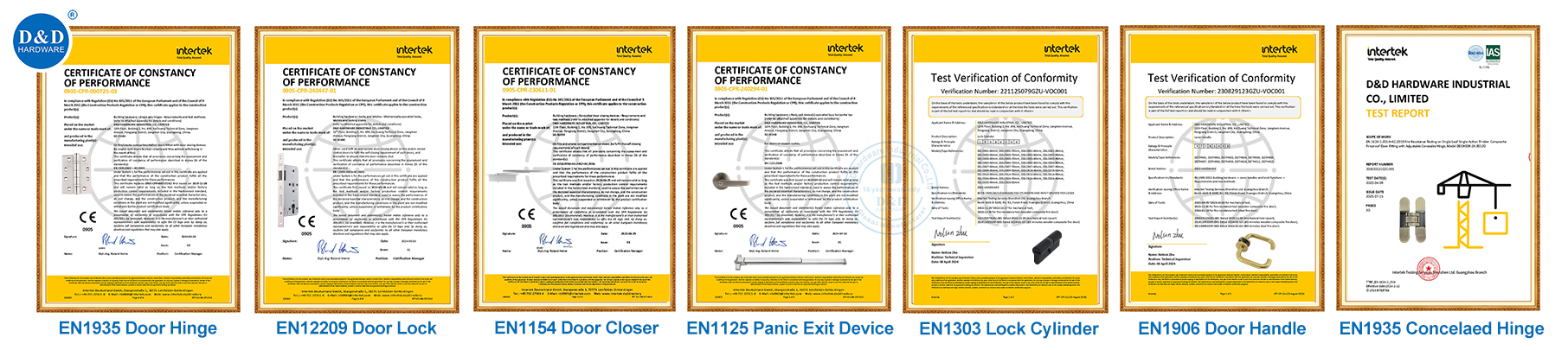
*EN standards and CE marking in Europe and many international projects
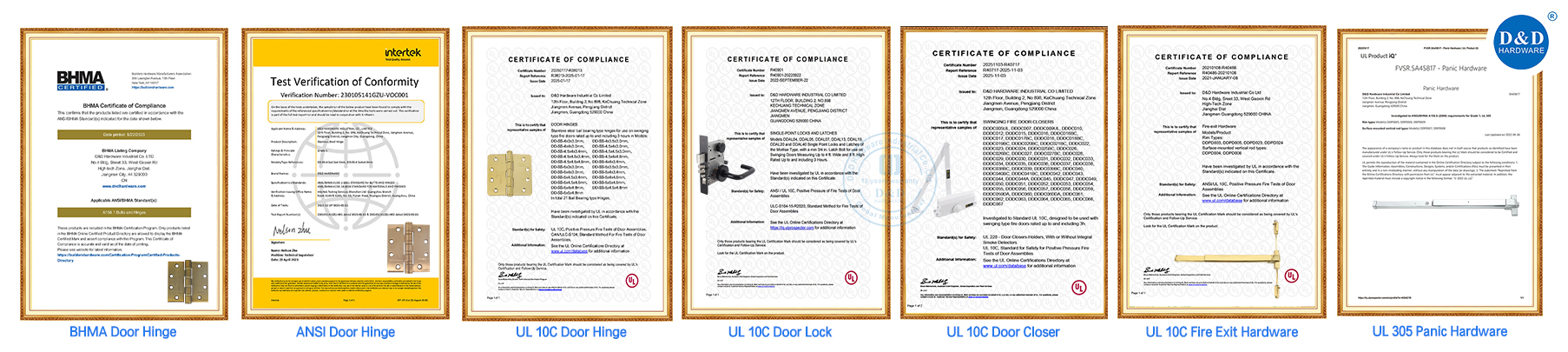
*UL and NFPA standards in the United States and North America
*Local building codes enforced by the Authority Having Jurisdiction (AHJ)
Failure to use certified hardware may result in:
*Rejection during fire inspection
*Failure to obtain occupancy permits
*Mandatory replacement of installed hardware
*Legal and insurance liability after a fire incident
Certified hardware provides documented proof that each component meets the required fire, durability, and safety standards.
Why Fire-Rated Door Hardware Must Be Independently Tested
Fire conditions place extraordinary demands on door hardware. Certification testing verifies that hardware can perform under:
*Temperatures exceeding 1,000°C
*Structural distortion of door leaves and frames
*Continuous mechanical operation during emergencies
*Long-term wear and environmental exposure
Key performance criteria include:
*Fire resistance duration (minutes or hours)
*Mechanical durability (cycle testing)
*Corrosion resistance
*Continued operability for safe egress
Only independently tested and certified hardware can reliably meet these requirements.
CE Certified Fire Rated Door Hardware: EN Standards Explained
CE certification for fire-rated door hardware is governed by harmonized EN standards under the Construction Products Regulation (CPR). Products are tested according to both mechanical performance standards and fire resistance standards, such as EN 1634.
Typical EN Requirements Include:
*Fire resistance testing (EN 1634)
*Cycle testing for durability
*Corrosion resistance testing (EN 1670)
*Classification and Declaration of Performance (DoP)
*Factory Production Control (FPC)
D&D CE Series – Certified Fire-Rated Hardware Coverage
D&D’s CE Series fire-rated door hardware demonstrates how compliance is achieved across a full door assembly:
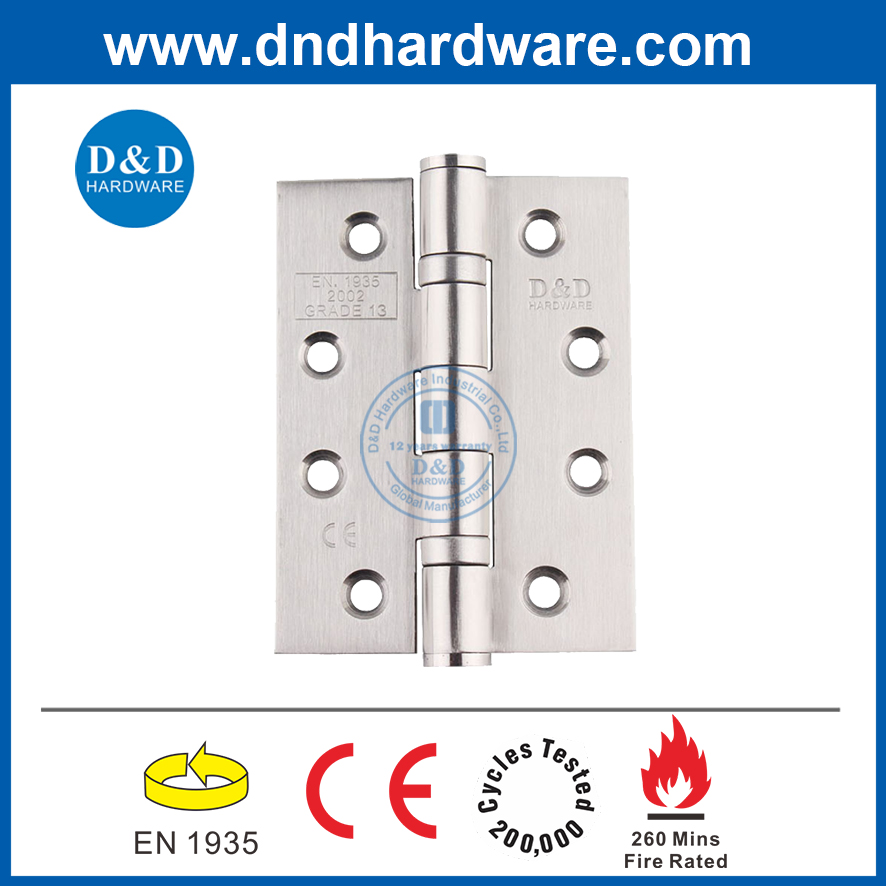
*Door Hinges
Tested to BS EN 1935 with 200,000 cycles, fire rated to EN 1634 up to 192 / 260 minutes, and corrosion resistance tested to EN 1670 (240 hours).
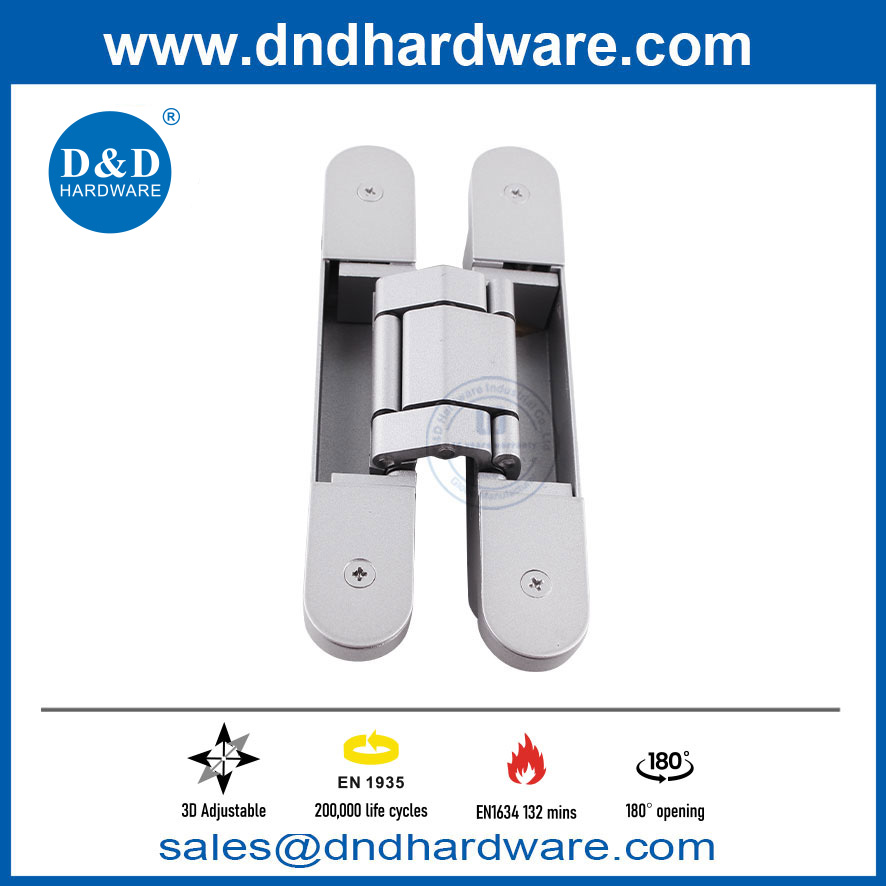
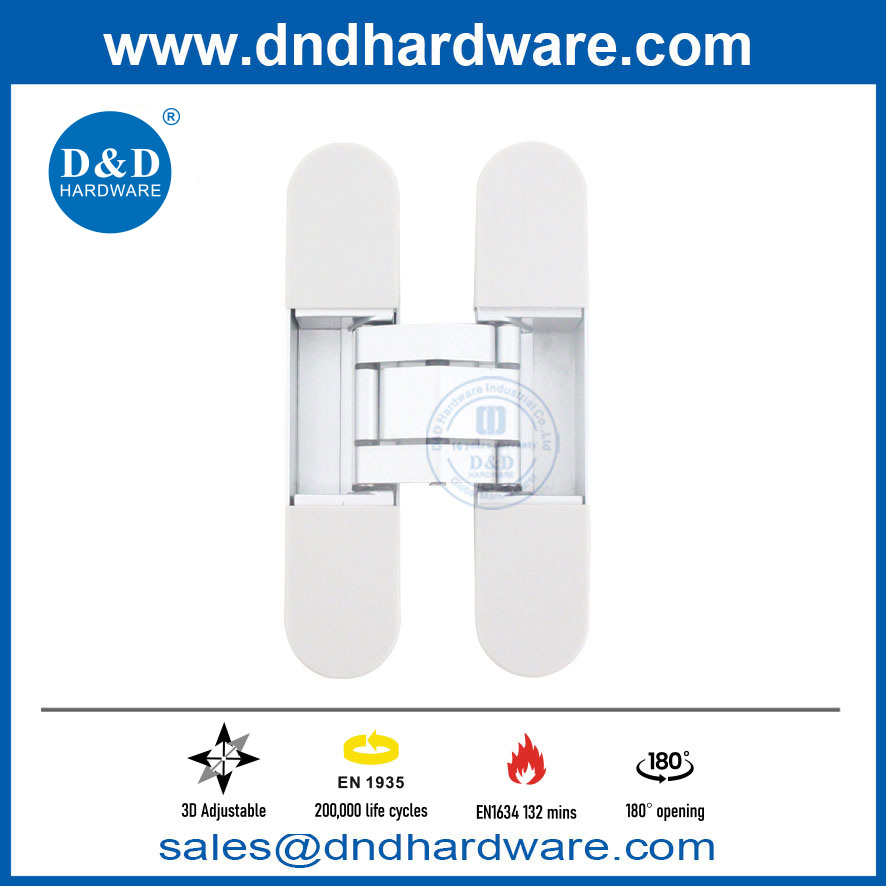
*Concealed Hinges
Certified to BS EN 1935, 200,000 cycles, fire rated to EN 1634 (132 minutes), with EN 1670 corrosion resistance.
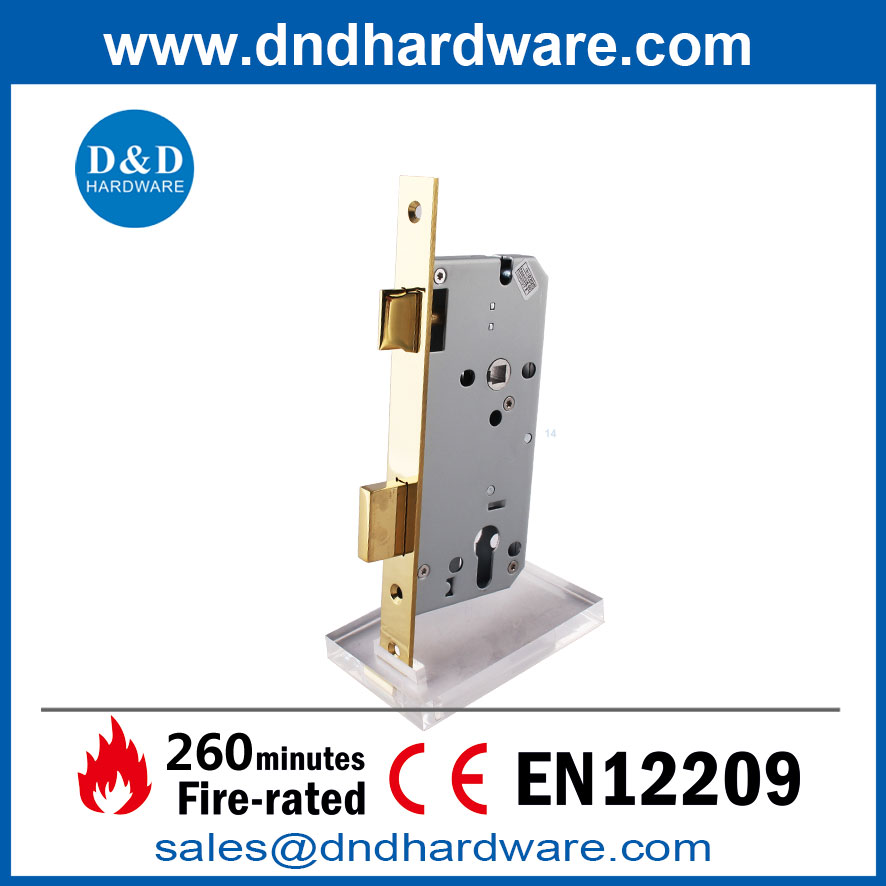
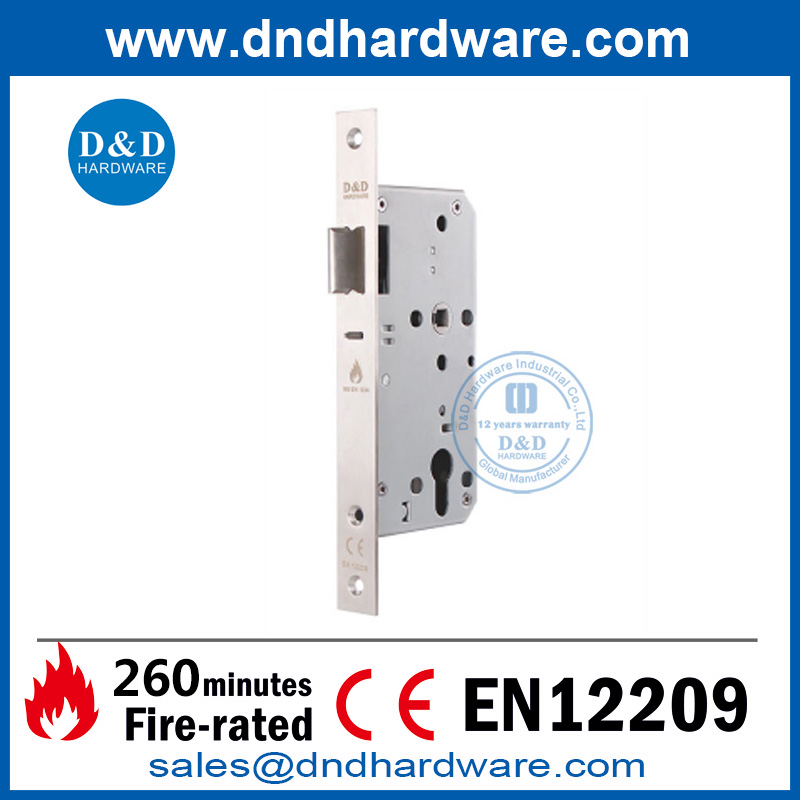
*Door Locks
Tested under BS EN 12209, 200,000 cycles, fire rated to EN 1634 up to 111 / 260 minutes, corrosion resistance 240 hours.
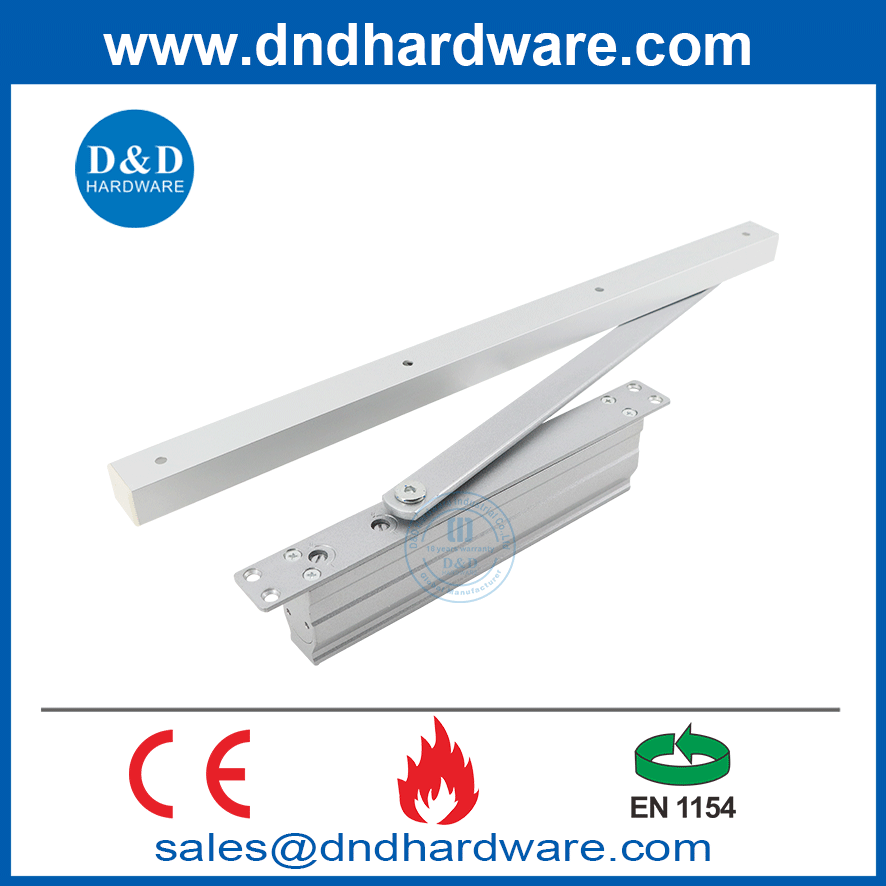
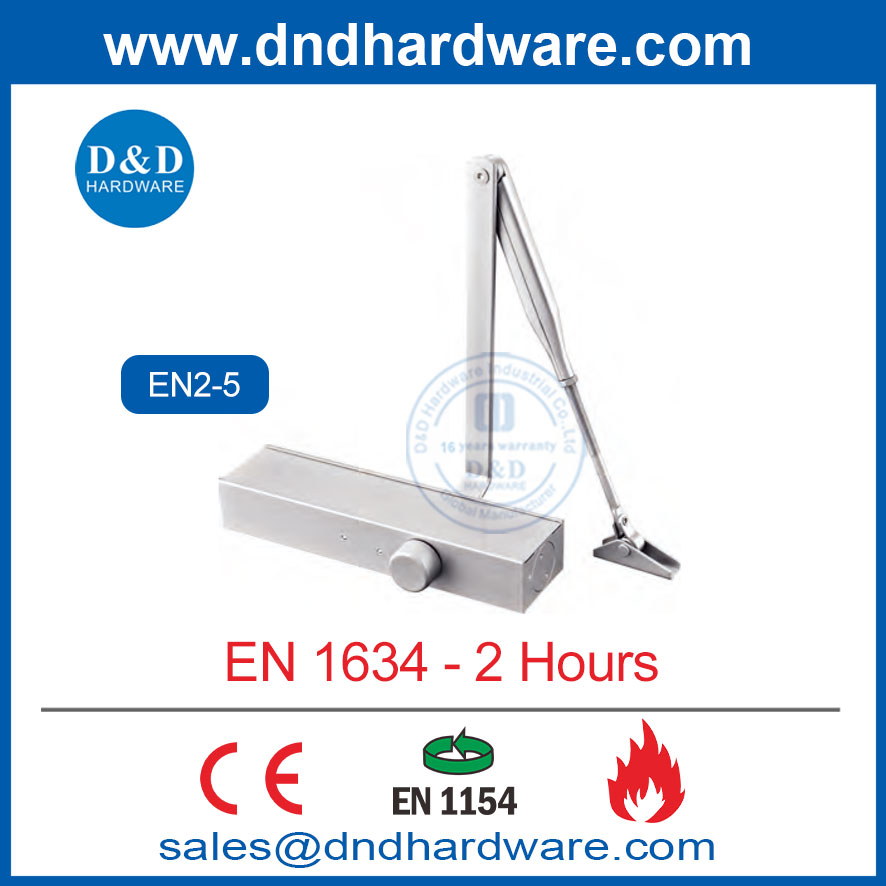
*Door Closers
Certified to BS EN 1154, 500,000 cycles, fire rated to EN 1634 (120 / 180 minutes).
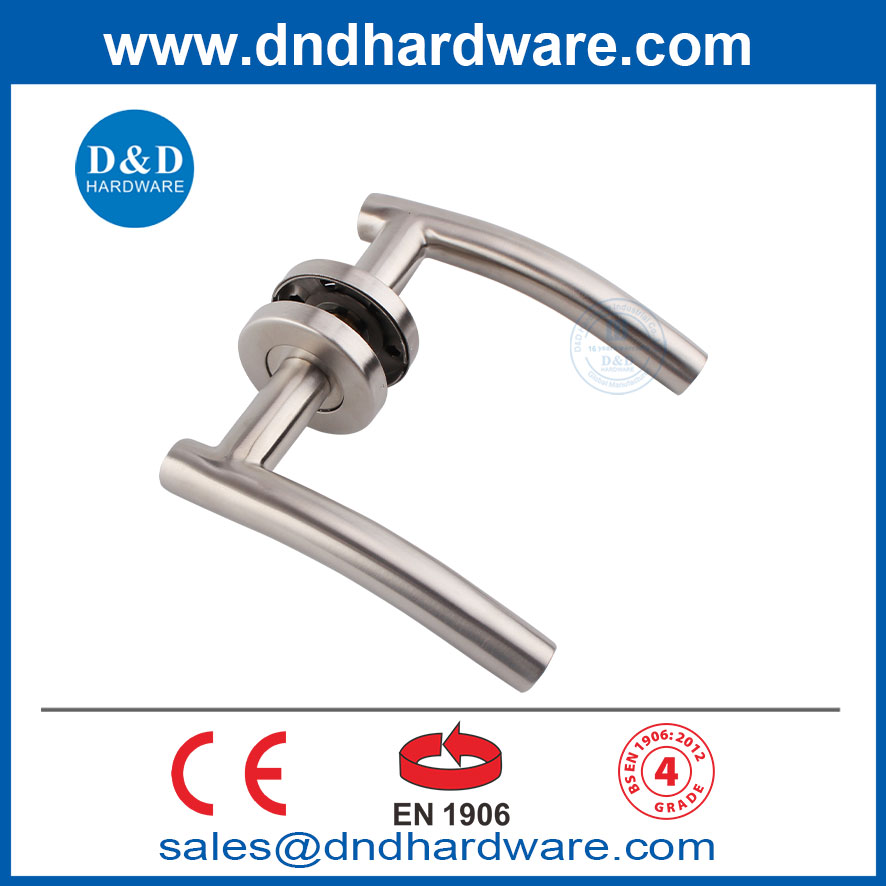
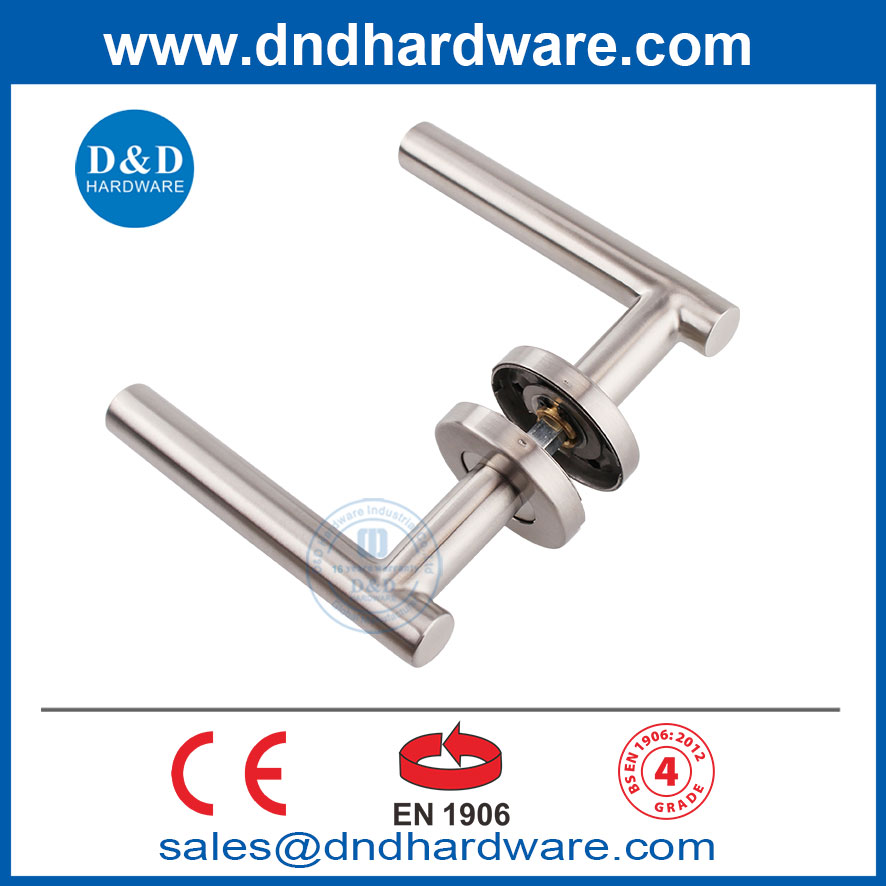
*Door Handles
Tested to BS EN 1906, 300,000 cycles, fire rated to EN 1634 up to 183 / 260 minutes.
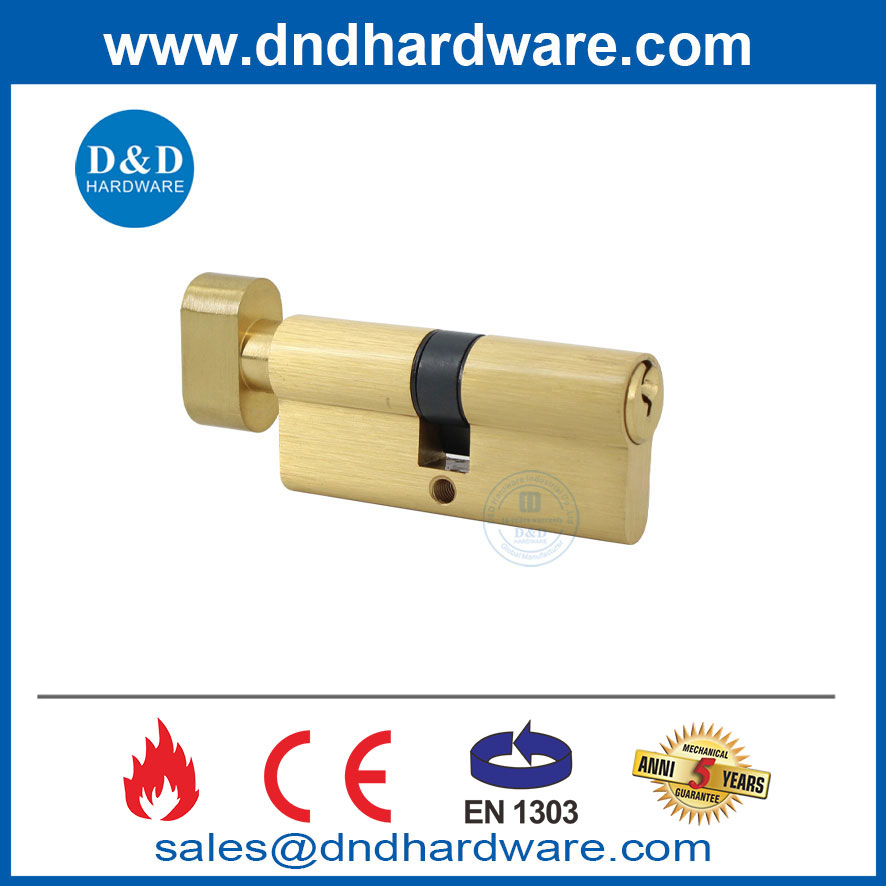
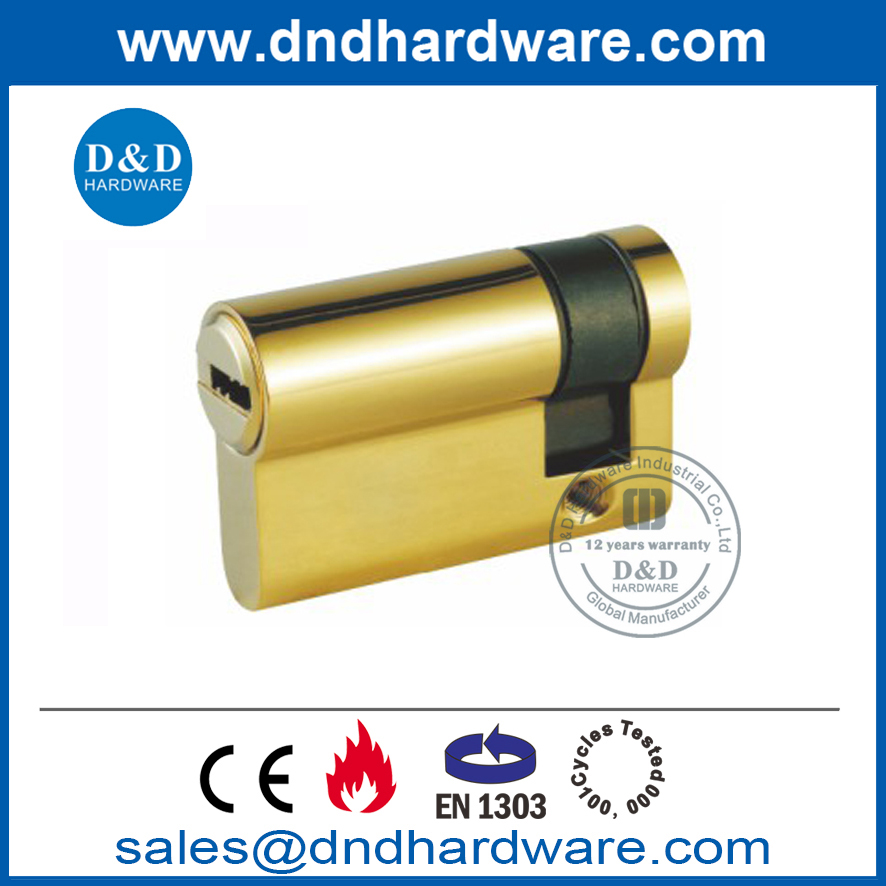
*Lock Cylinders
Certified under BS EN 1303, 100,000 cycles, fire rated to EN 1634 (183 minutes).
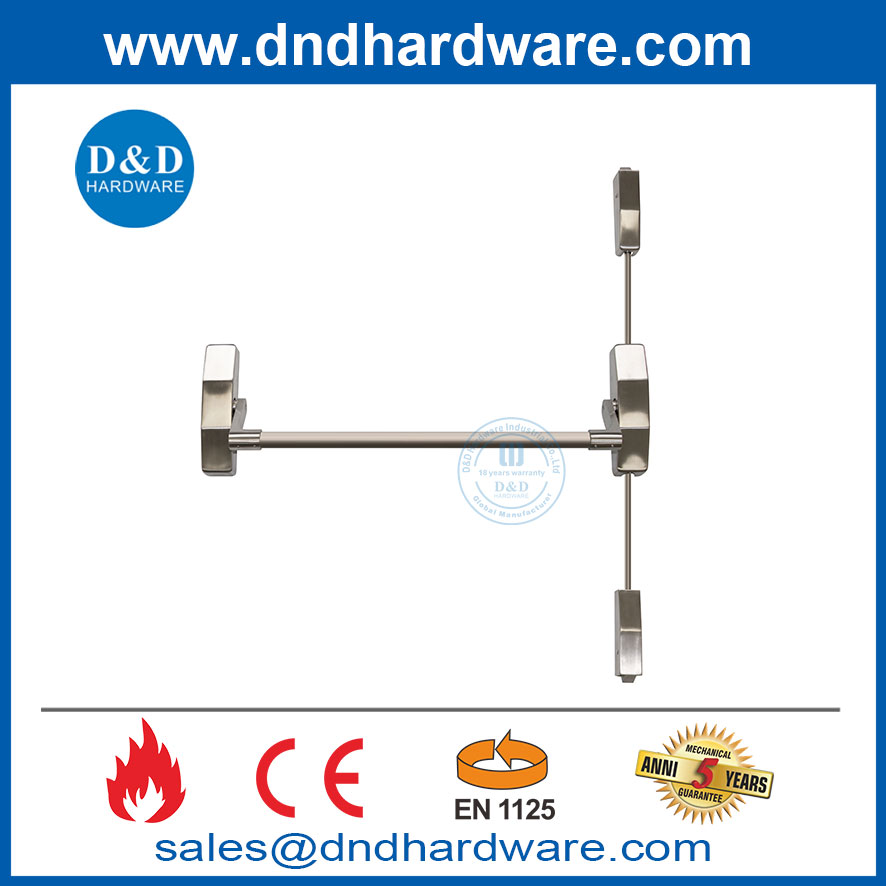
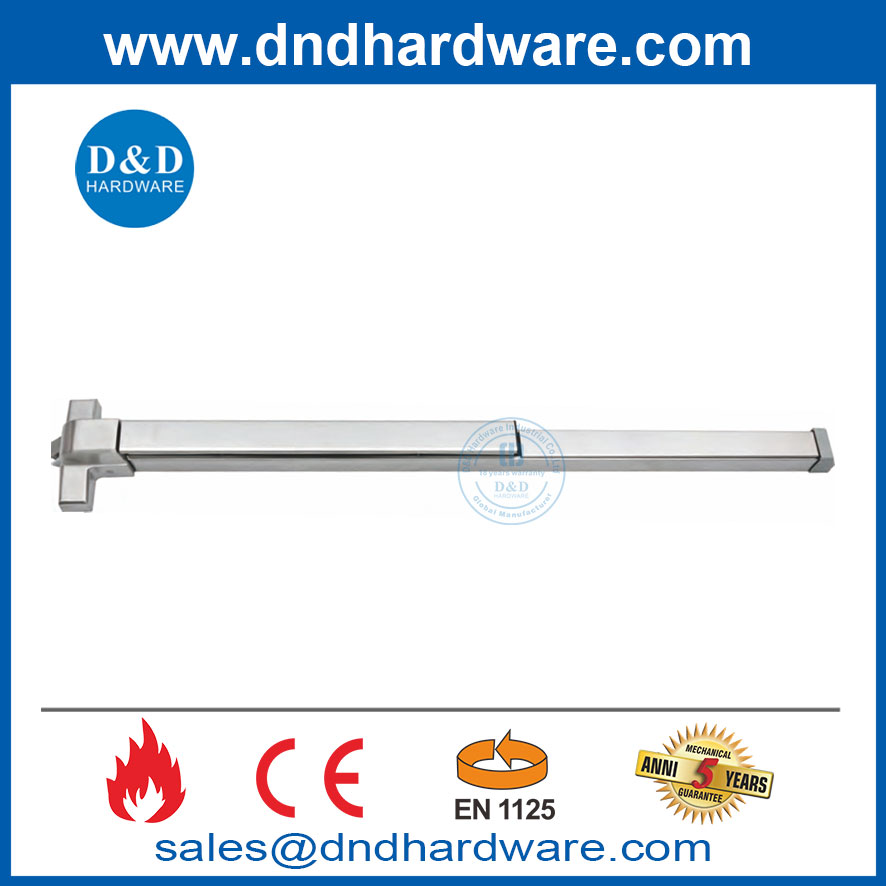
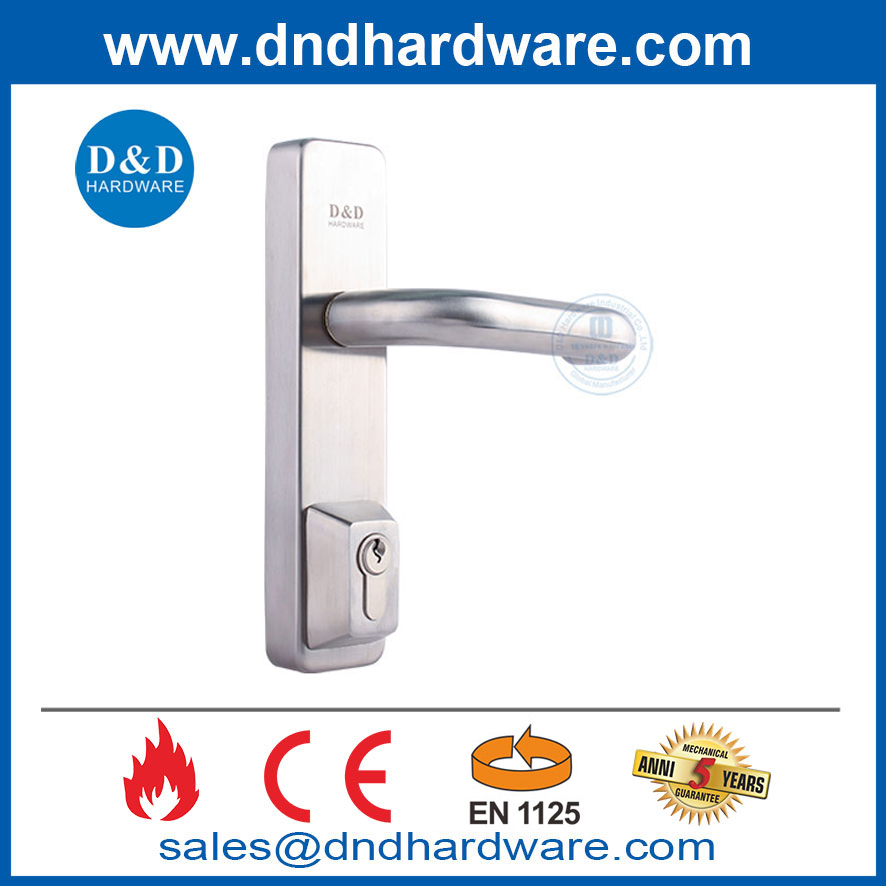
*Panic Exit Devices
Tested to BS EN 1125, 200,000 cycles, fire rated to EN 1634 up to 132 / 240 minutes.
This comprehensive certification ensures that every hardware component supports the fire rating of the door system.
UL Certified Fire Rated Door Hardware: North American Standards
In the United States and many international projects following U.S. codes, UL certification is the primary requirement for fire-rated door hardware.
UL testing focuses on:
*Fire endurance (typically 3 hours)
*Compatibility with fire door assemblies
*Operational reliability during fire exposure
*Ongoing compliance through follow-up inspections
Products must be listed in official UL directories and accepted by the AHJ.
D&D UL Series – UL Listed Fire-Rated Hardware
D&D’s UL Series hardware complies with key UL and ANSI/BHMA requirements:
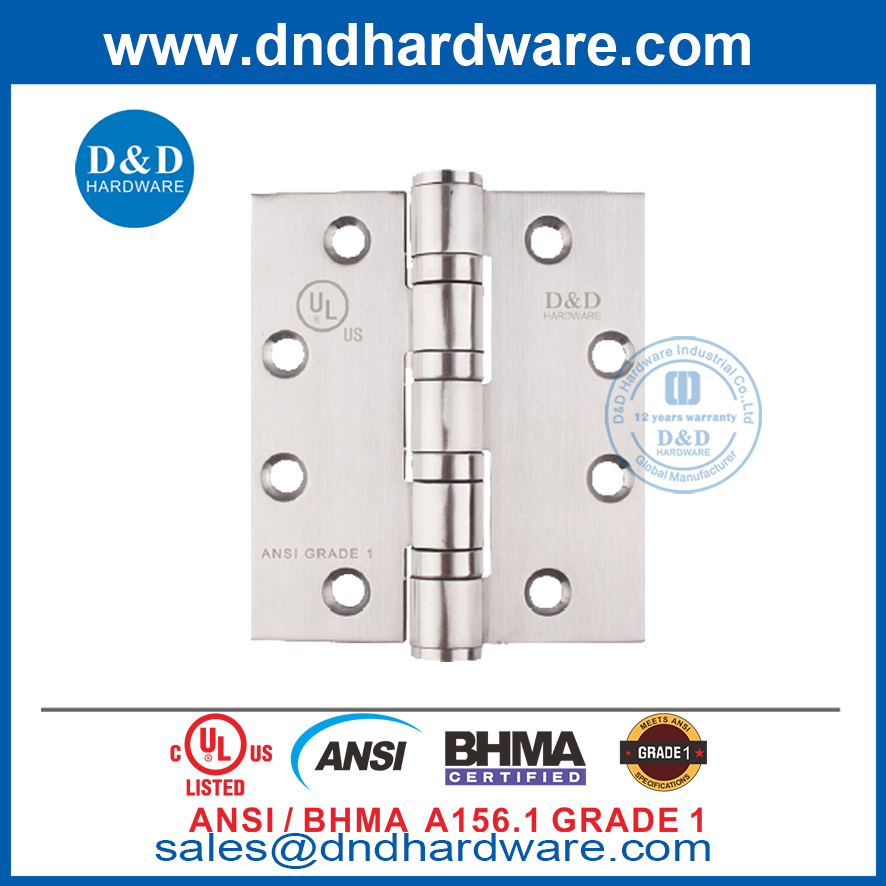
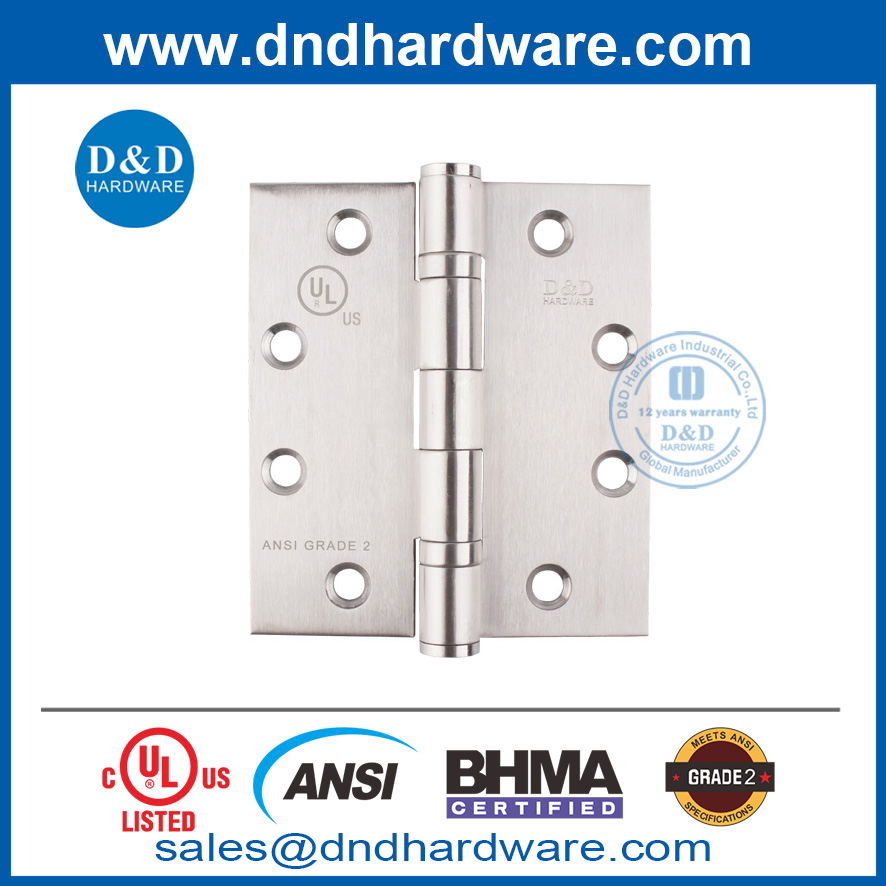
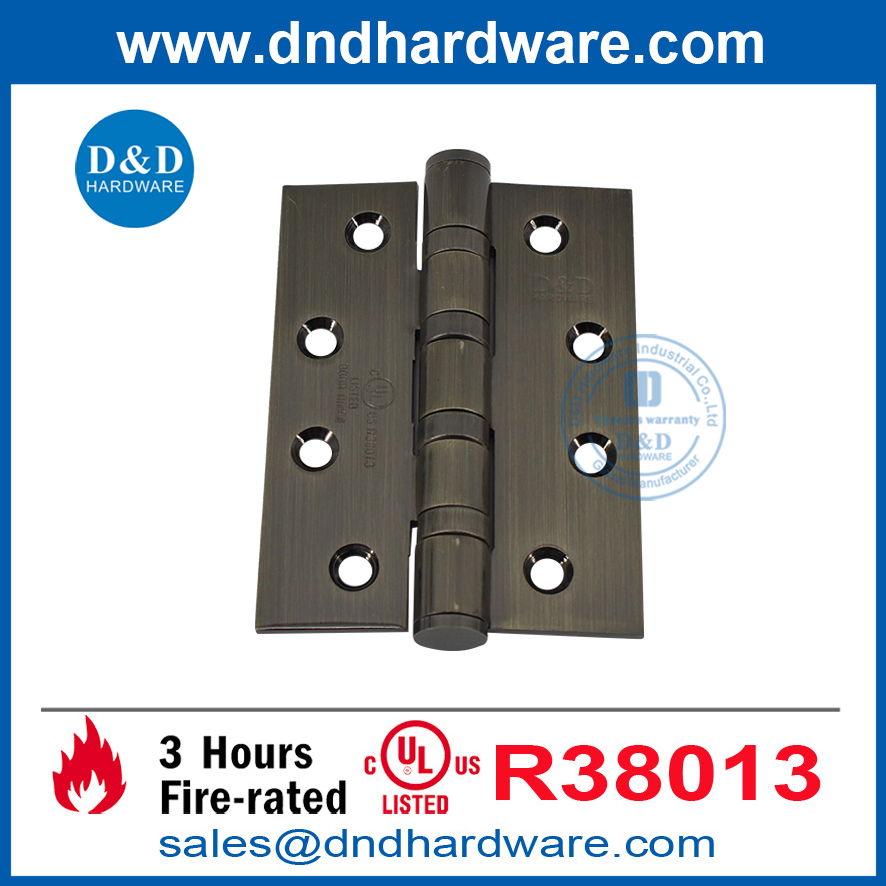
*Door Hinges
UL / cUL listed, UL 10C fire rated for 3 hours, File No. R38013, and tested to ANSI/BHMA Grade 1 & Grade 2.
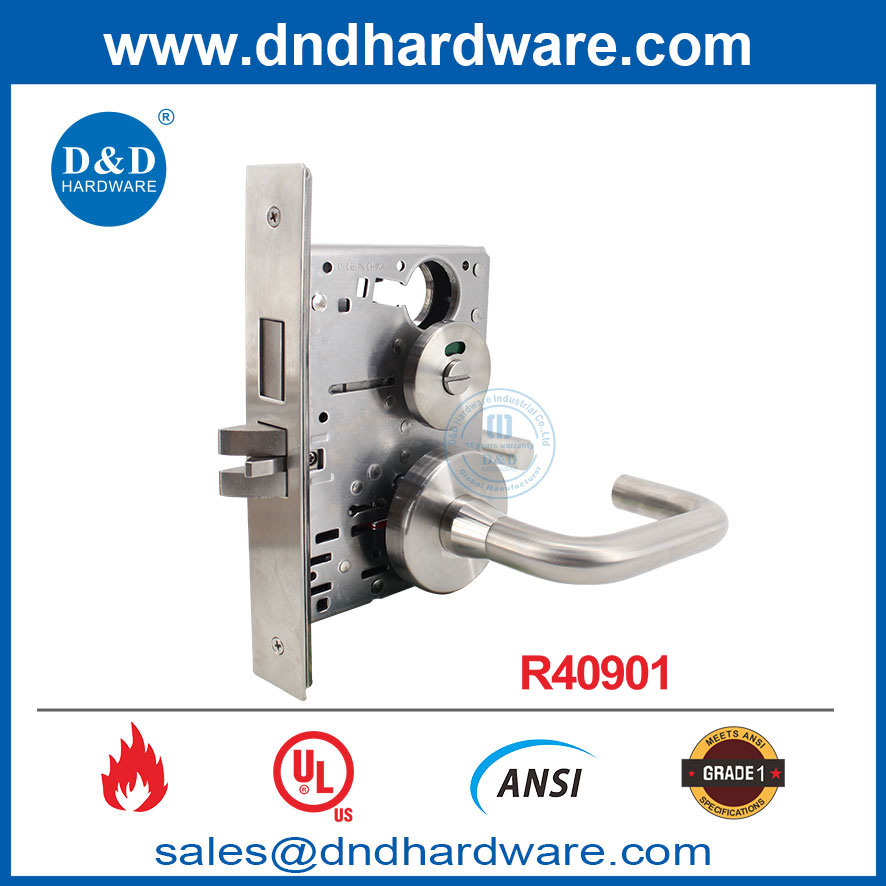
*Door Locks
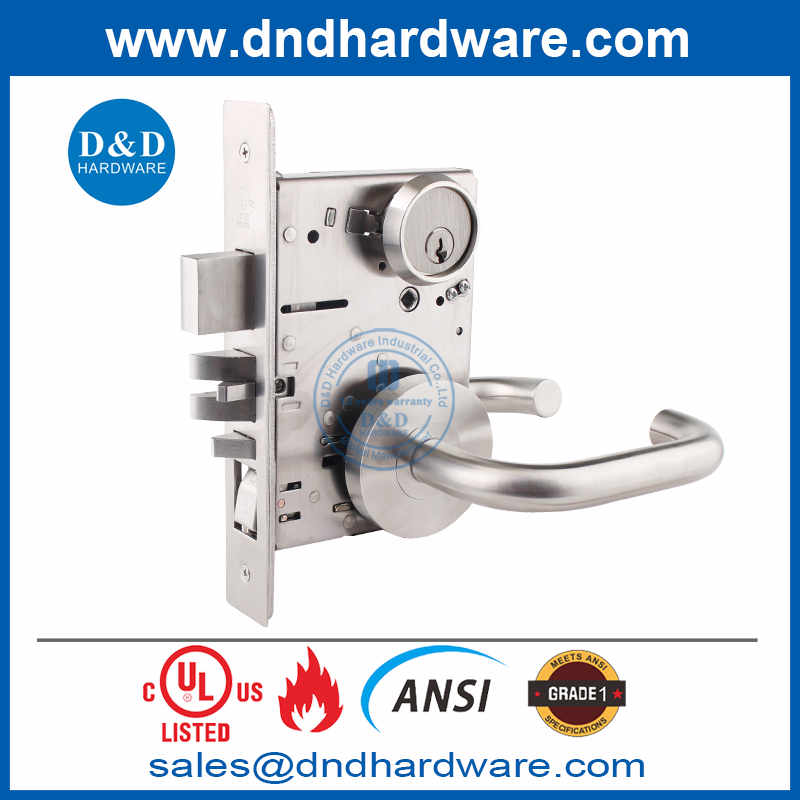
UL 10C fire rated for 3 hours, File No. R40901.
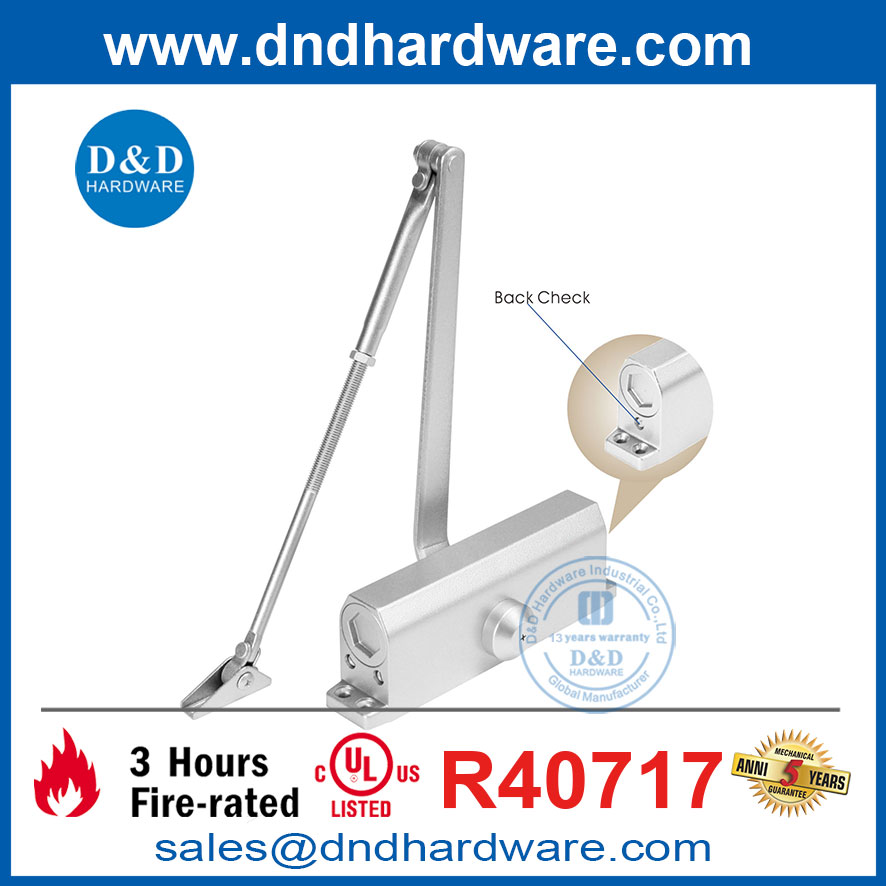
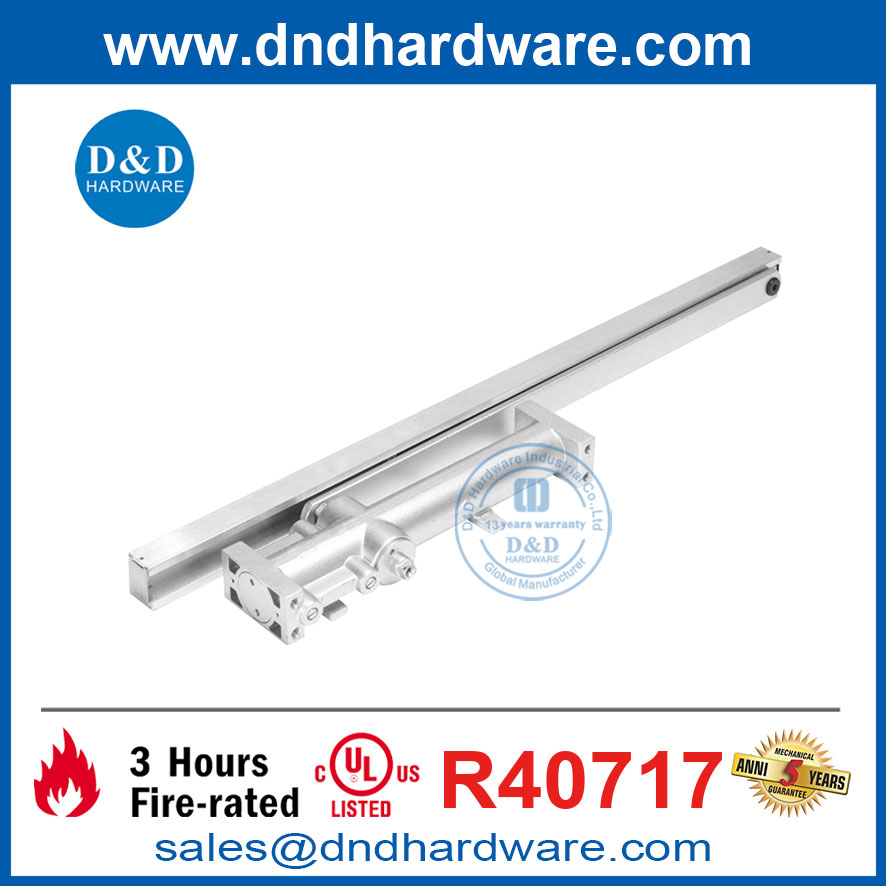
*Door Closers
UL 10C fire rated for 3 hours, File No. R40717.
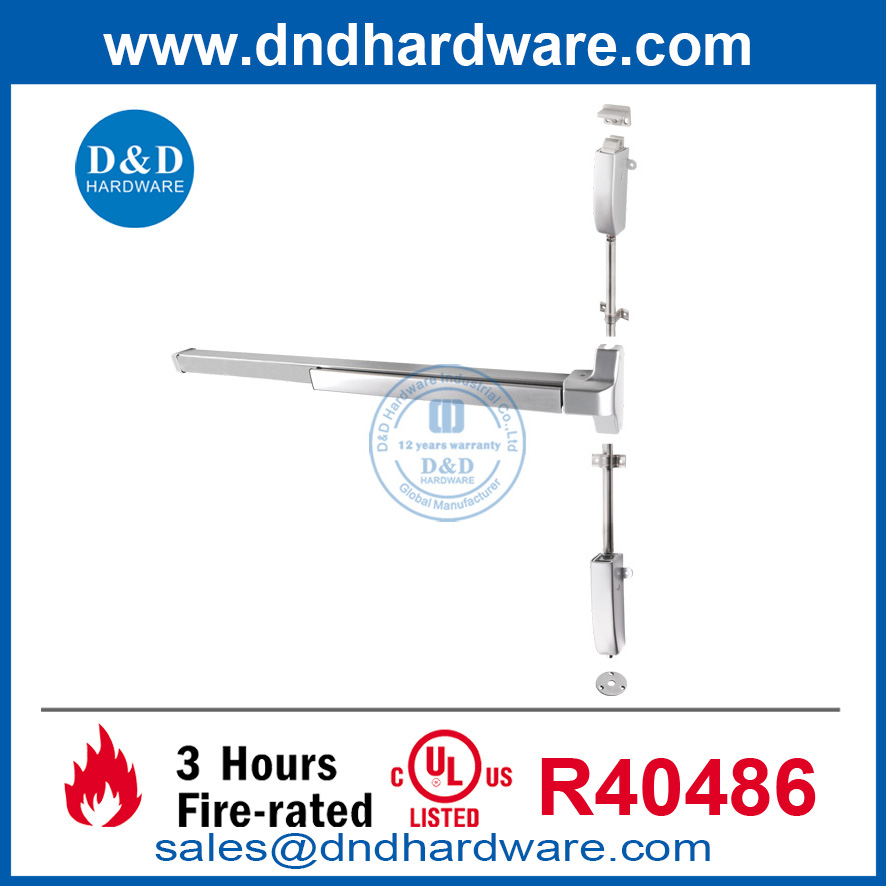
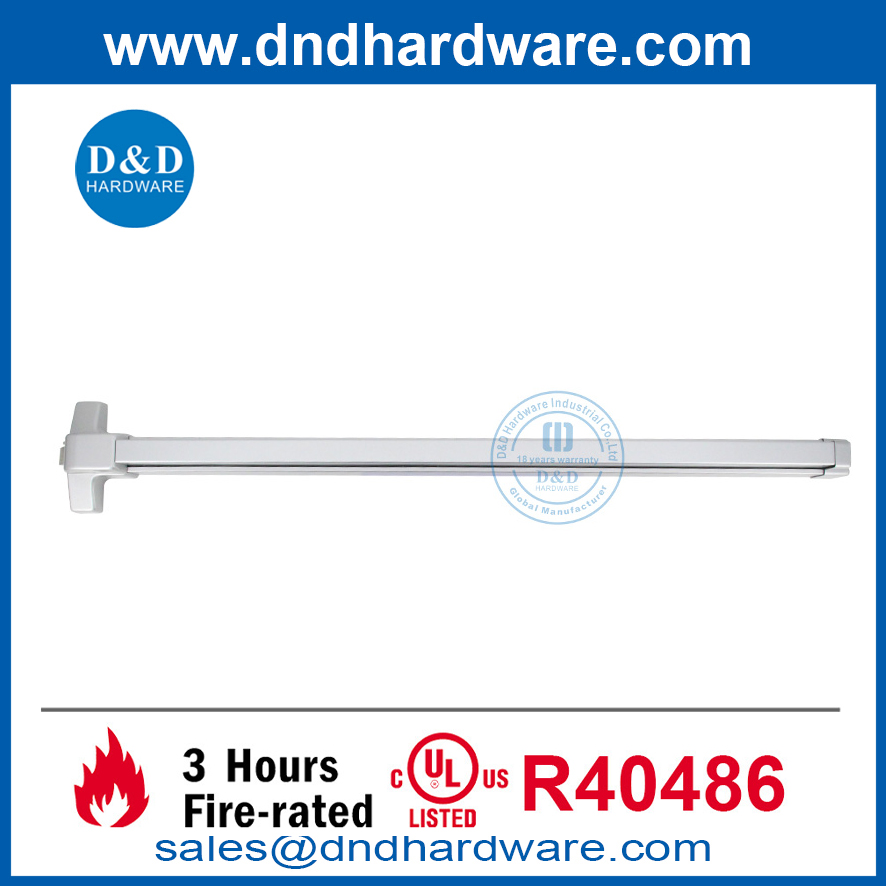
*Fire Exit Hardware
UL 10C fire rated for 3 hours, File No. R40486.
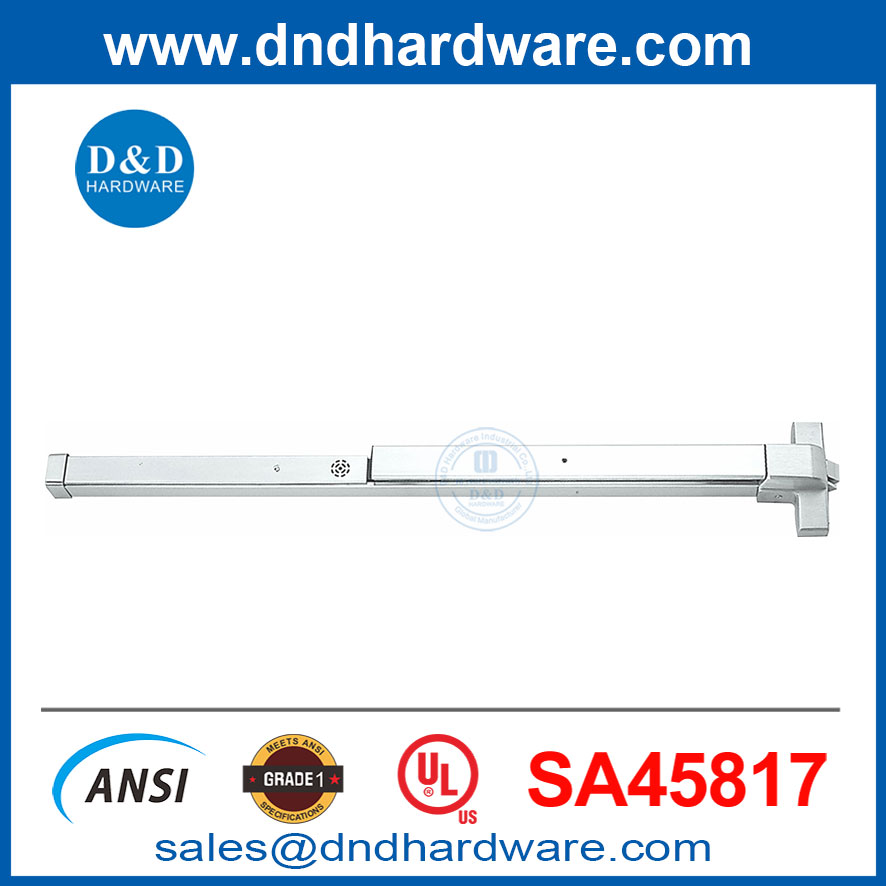
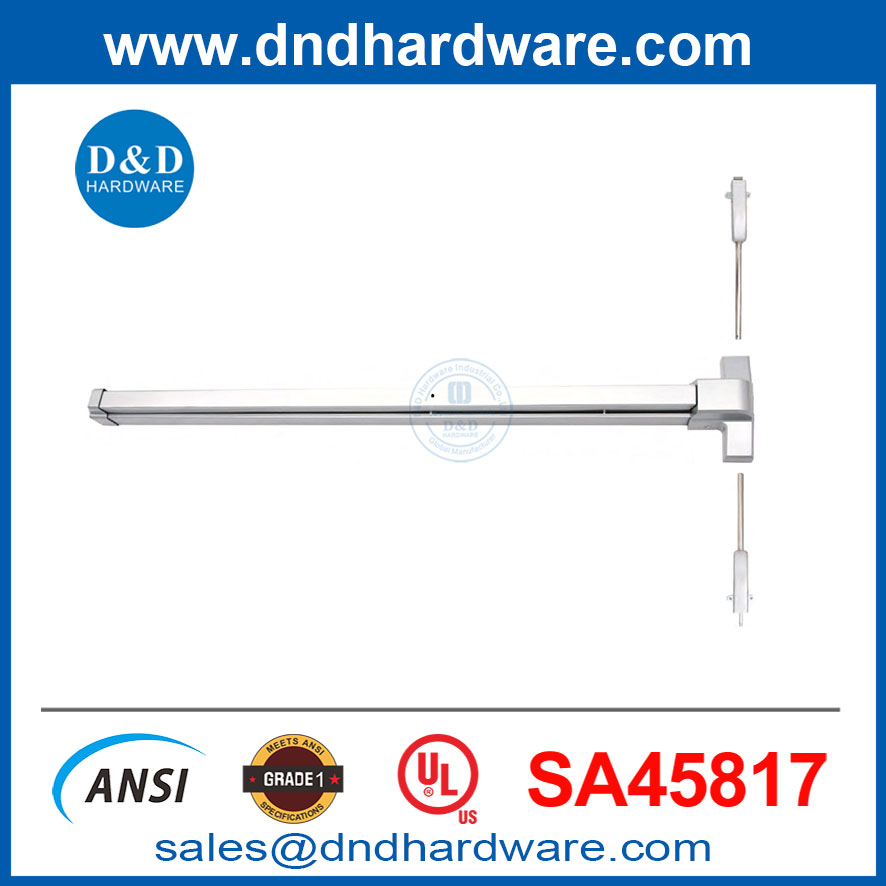
*Panic Hardware
Certified to UL 305, File No. SA45817.
These certifications ensure acceptance under U.S. fire codes and smooth approval during inspections.
Life Safety and Egress Performance
One of the most critical roles of fire-rated door hardware is to enable safe evacuation. During a fire:
*Doors must remain closed to contain fire and smoke
*Exit hardware must still operate under heat and distortion
*Panic devices must release immediately without obstruction
Certified panic and exit hardware is specifically tested to ensure single-action egress, even after fire exposure. This is a core life safety requirement in public, commercial, and high-occupancy buildings.

Risk Management, Liability, and Insurance Considerations
Using non-certified hardware in a fire door system exposes project stakeholders to serious risks:
*Fire rating of the door may be voided
*Insurance claims may be denied
*Legal liability increases in case of injury or loss of life
*Retrofitting costs can be significant
Certified hardware provides traceability, documentation, and compliance evidence, protecting owners, developers, and contractors.
Why Specifiers and Engineers Must Insist on Certified Hardware
For architects, consultants, and specifiers, certified door hardware ensures:
*Compliance with international and local fire regulations
*Compatibility with tested fire door assemblies
*Reduced inspection delays and project risks
*Long-term reliability and durability
Increasingly, large-scale and international projects specify CE + UL certified hardware to meet multi-market requirements.
Certified door hardware is a fundamental requirement in fire door systems because fire safety depends on verified performance, regulatory compliance, and system integrity. Fire doors only function as intended when every hardware component has been independently tested and certified for fire resistance, durability, and safe operation.
Contact us Now:
Contact: David Jian
Mob:0086-139 2903 7292
Email: David@dndhardware.com, sales@dndhardware.com,
Jobby Zhang
Mob:0086-137 2599 9617
Email: jobby@dndhardware.com
D&D HARDWARE INDUSTRIAL CO.,LTD
ADD:12th Floor, Building 2, No.898, KeChuang Technical Zone, Jiangmen Avenue, Pengjiang District, Jiangmen City, Guangdong, China (Postcode:529000)
https://www.dndhardware.com
Tel: +86-750-3856396
Fax: +86-750-3856395

 English