Fire safety regulations continue to evolve across the GCC region, with increasing emphasis on certified fire-rated building components. Meeting GCC fire door requirements means addressing every element of the assembly — not just the door leaf itself. Among the most critical elements is the hardware: hinges, locks, door closers, handles, cylinders, and panic exit devices all contribute directly to the performance of a fire-rated opening.
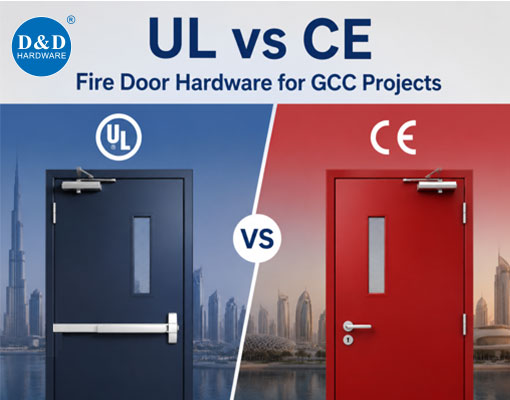
One of the most common questions when specifying fire-rated openings is whether to choose CE door hardware or UL door hardware. Both certification systems are widely recognized, yet they are based on different testing standards, regulatory frameworks, and project requirements.
As a professional fire rated door hardware manufacturer, D&D Hardware supplies both CE-certified and UL-certified fire-rated door hardware. This guide explains the key differences between the two certification systems and how each applies to GCC fire door compliance and project specifications.
Why Is Fire Door Hardware Important in GCC Projects?

Fire-rated doors are designed to compartmentalize fire and smoke, helping protect escape routes and reduce property damage. However, the door itself is only one part of the assembly.
A fire door system typically includes:
•Door hinges
•Mortise locks
•Door closers
•Door handles
•Lock cylinders
•Panic exit devices
•Fire exit hardware
If any component fails during a fire, the performance of the entire fire door assembly may be compromised.
For this reason, GCC projects increasingly require certified fire rated door hardware that has been independently tested according to internationally recognized standards.

What Is CE Door Hardware?
CE door hardware refers to hardware that complies with European standards and carries CE marking under the Construction Products Regulation (CPR).
CE certification demonstrates that a product has been tested according to applicable EN standards and meets specific performance requirements.
Typical standards include:
•BS EN 1935 for hinges
•BS EN 12209 for locks
•BS EN 1154 for door closers
•BS EN 1906 for door handles
•BS EN 1303 for lock cylinders
•BS EN 1125 for panic exit devices
•EN 1634 for fire resistance testing
•EN 1670 for corrosion resistance
CE certification focuses on both fire performance and long-term durability.
What Is UL Door Hardware?
UL door hardware refers to hardware tested and listed by Underwriters Laboratories according to North American fire safety standards.
UL certification is widely recognized throughout the United States, Canada, and many international projects that follow American fire safety requirements.
Key UL standards include:
•UL 10C for positive pressure fire testing
•UL 305 for panic hardware
•ANSI/BHMA performance requirements
UL certification emphasizes fire resistance, operational reliability, and continued performance within fire-rated door assemblies.
How Do CE and UL Fire Testing Standards Differ?
Although both certification systems evaluate fire performance, the testing methods are different.
CE Fire Testing
CE-certified products commonly rely on:
•EN 1634 fire resistance testing
•Mechanical durability testing
• Corrosion resistance evaluation
•Product classification according to EN standards
Testing often focuses on overall product performance throughout its service life.
UL Fire Testing
UL-certified products commonly rely on:
•UL 10C positive pressure fire testing
•Fire endurance evaluation
•Operational functionality during fire exposure
•Compatibility with fire door assemblies
UL testing is particularly focused on how hardware performs under North American fire conditions and regulatory requirements.
Both systems provide independent verification of product performance, but they originate from different regulatory frameworks.
Which Certification Is More Common in GCC Projects?
The GCC region presents a unique specification environment: because projects often involve consultants from both Europe and North America, GCC fire door requirements may reference either European or American standards — or both simultaneously.
Depending on project requirements, consultants may specify:
CE-certified hardware
UL-listed hardware
•A combination of both
•Factors influencing specification requirements include:
•Building type
•Local authority requirements
• Consultant preferences
• International project standards
•Insurance requirements
As a result, many fire door projects in the GCC region benefit from hardware manufacturers capable of supplying both CE and UL-certified products.
What CE Fire Rated Door Hardware Is Available?
As a dedicated CE fire rated door hardware manufacturer, D&D Hardware provides a complete range of CE-certified fire door hardware.
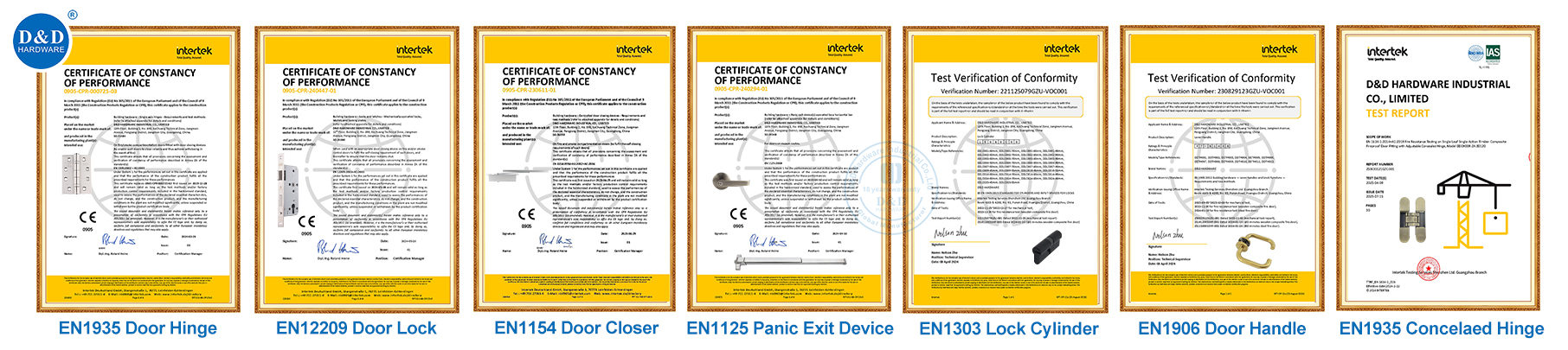
Door Hinges
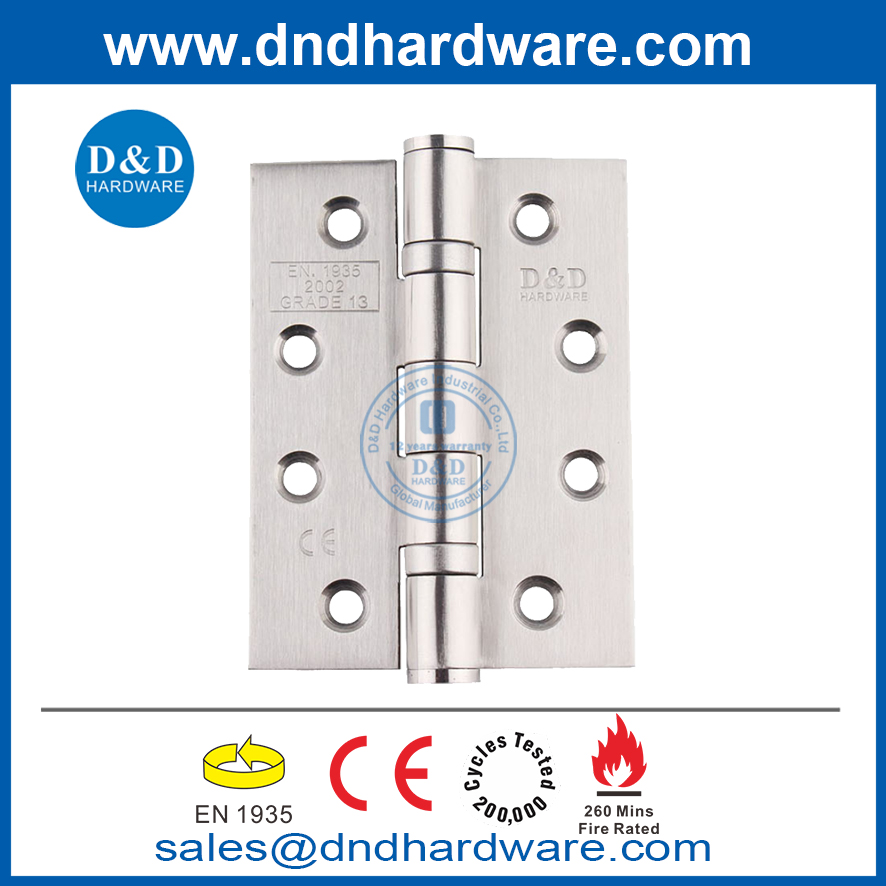
•BS EN1935
•200,000 cycles test
•EN1634 fire rated 192 minutes / 260 minutes
•EN1670 corrosion resistance 240 hours
Concealed Hinges
•BS EN1935
•200,000 cycles test
•EN1634 fire rated 132 minutes
•EN1670 corrosion resistance 48 hours
Door Locks
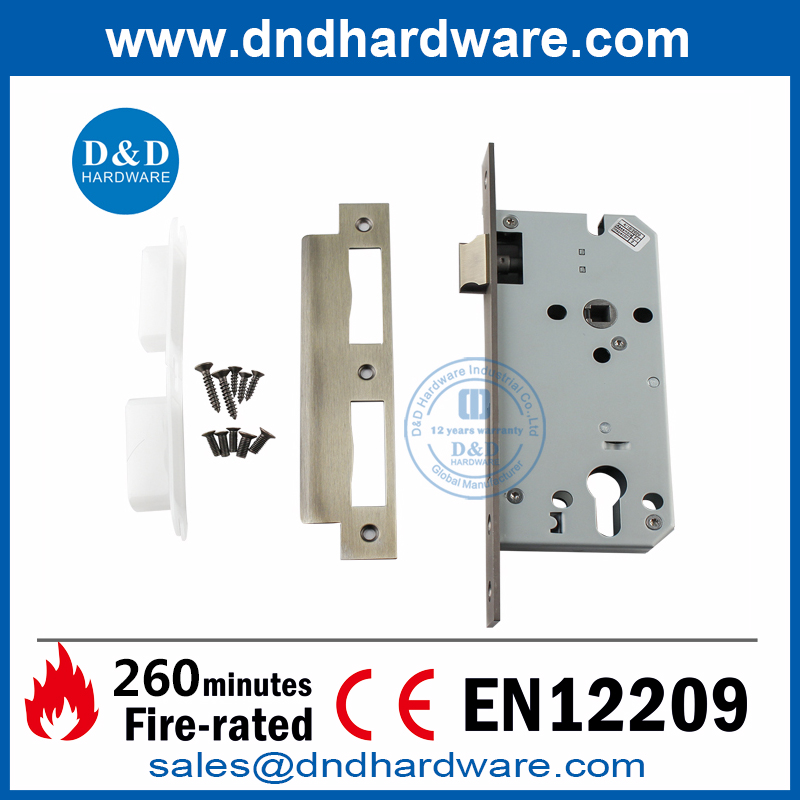
•BS EN12209
• 200,000 cycles test
•EN1634 fire rated 111 minutes / 260 minutes
•EN1670 corrosion resistance 240 hours
Door Closers
•BS EN1154
•500,000 cycles test
•EN1634 fire rated 120 minutes / 180 minutes
•EN1670 corrosion resistance 96 hours
Door Handles
•BS EN1906
•300,000 cycles test
• EN1634 fire rated 183 minutes / 260 minutes
•EN1670 corrosion resistance 240 hours
Lock Cylinders
•BS EN1303
•100,000 cycles test
•EN1634 fire rated 183 minutes
•EN1670 corrosion resistance 96 hours
Panic Exit Devices
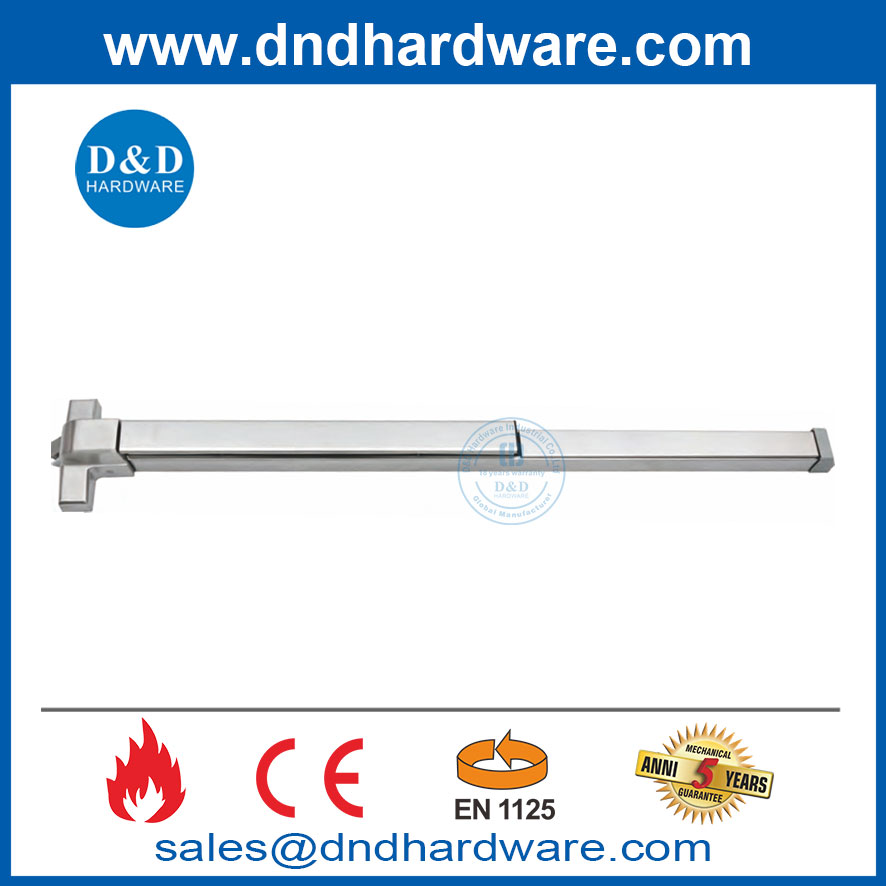
•BS EN1125
•200,000 cycles test
•EN1634 fire rated 132 minutes / 240 minutes
•EN1670 corrosion resistance 240 hours
These certifications demonstrate compliance with major European fire door hardware standards.

What UL Fire Rated Door Hardware Is Available?
As a professional UL fire rated door hardware manufacturer, D&D Hardware also offers UL-certified hardware solutions.
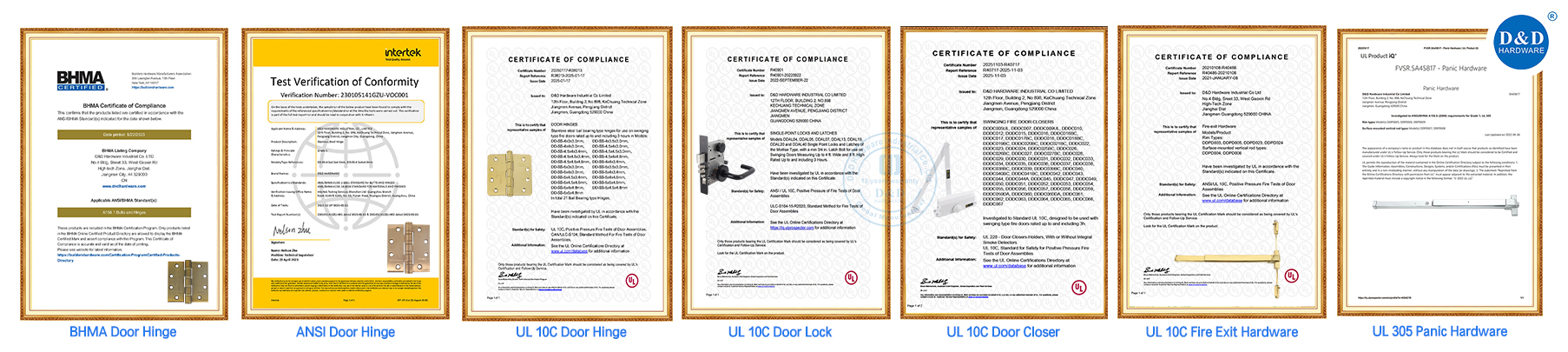
Door Hinges
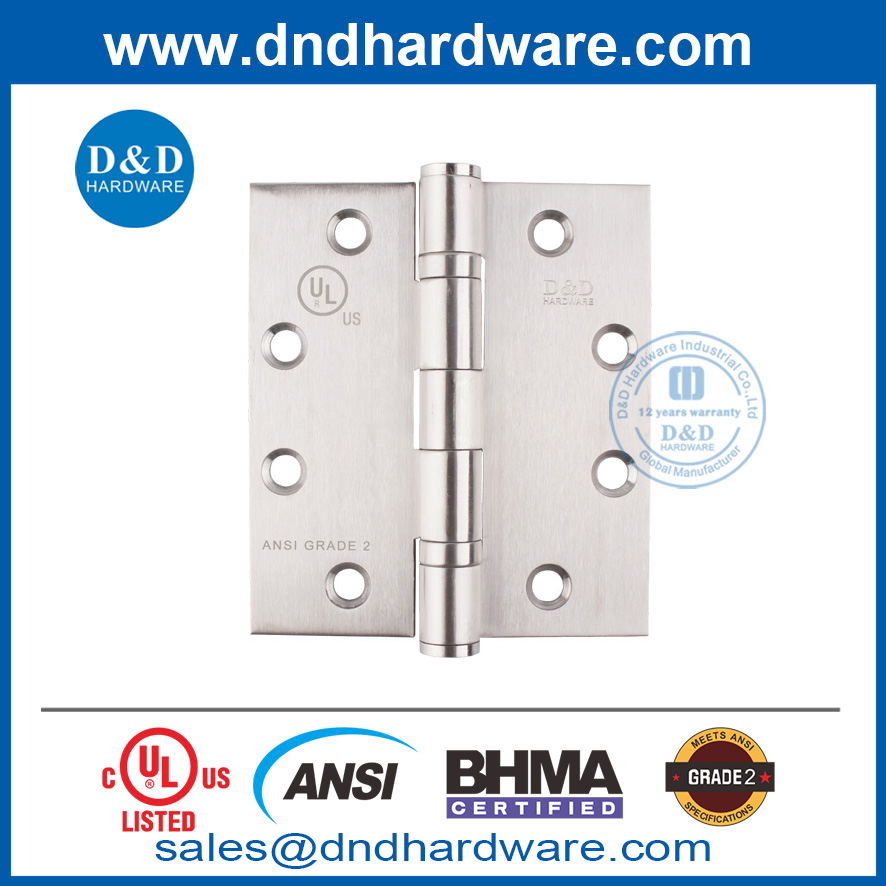
•UL/cUL listed
•UL 10C Fire Rated 3 Hours
• File No. R38013
•ANSI/BHMA Grade 1 & Grade 2
Concealed Hinges
•UL 10C Fire Rated
•File No. R38013
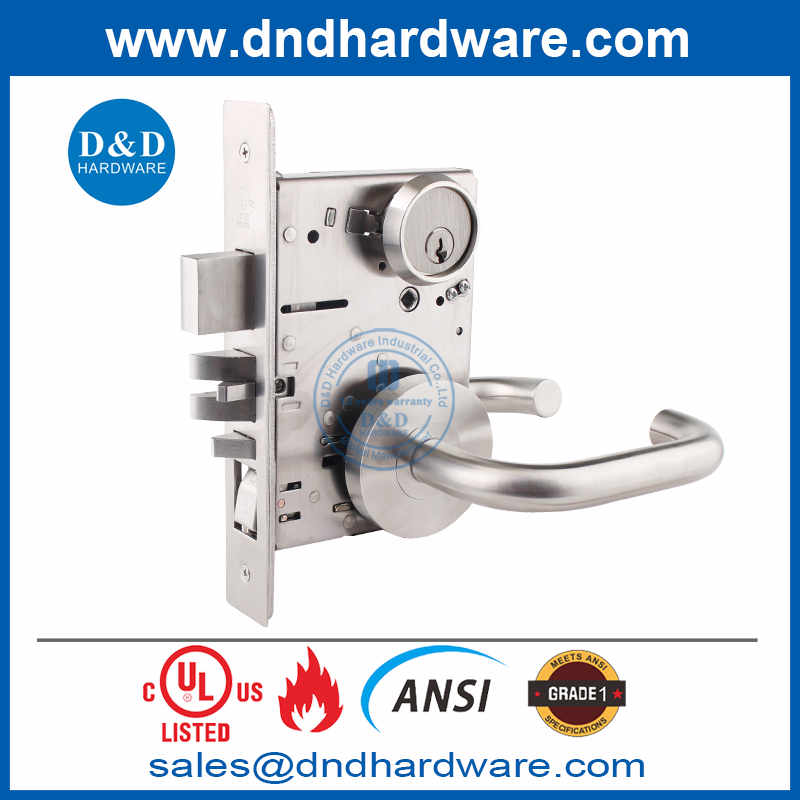
Door Locks
•UL 10C Fire Rated 3 Hours
•File No. R40901
Door Closers
•UL 10C Fire Rated 3 Hours
•File No. R40717
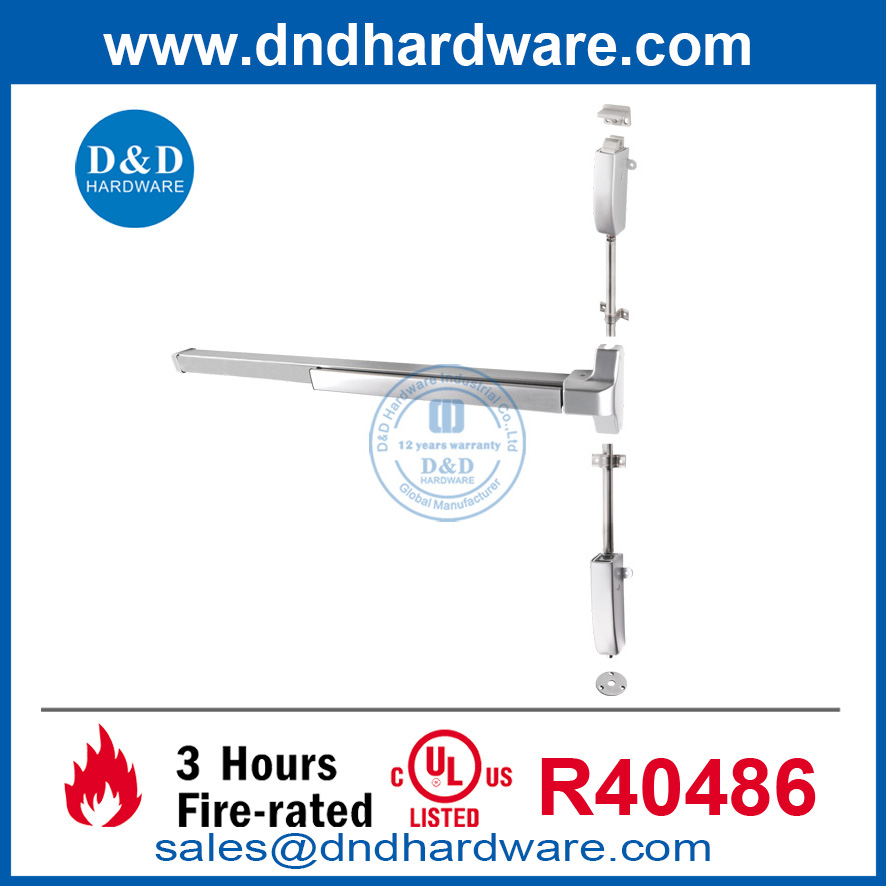
Fire Exit Hardware
•UL 10C Fire Rated 3 Hours
•File No. R40486
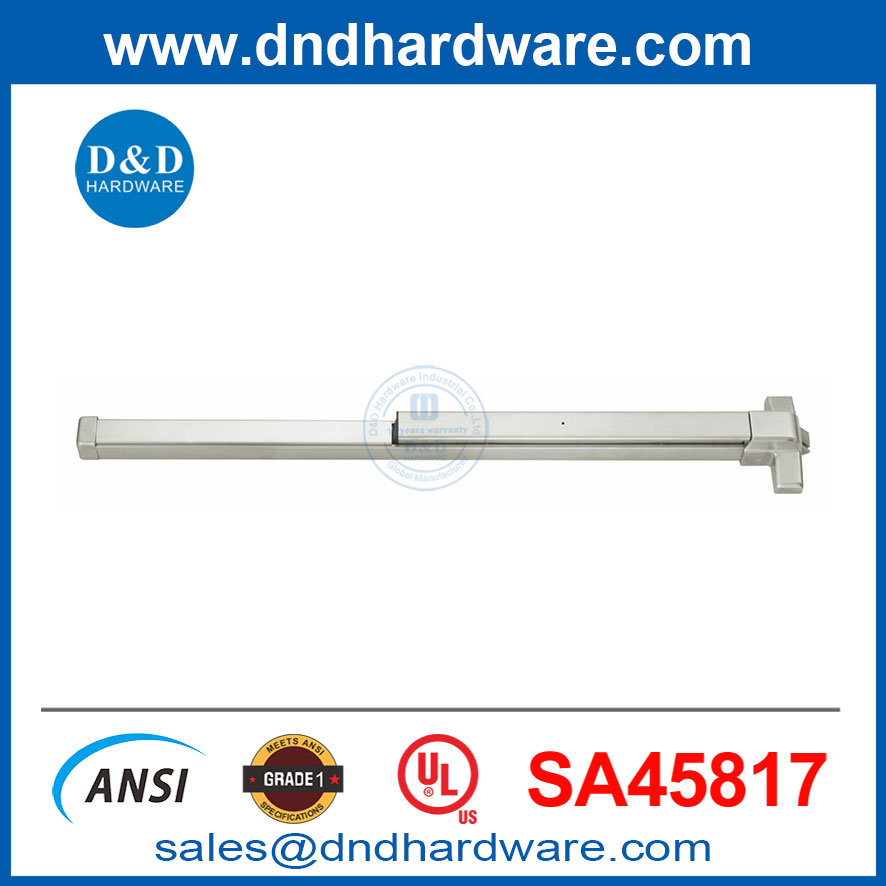
Panic Hardware
•UL305
•File No. SA45817
These certifications support compliance with North American fire safety requirements and many international project specifications.
How Does Certification Support Fire Door Compliance?
Certification plays a critical role in maintaining fire door compliance.
Certified fire-rated hardware provides:
•Independent testing evidence
•Traceable certification records
•Consistent quality control
•Documented fire performance
•Greater confidence during inspection and approval processes
Without independently tested and certified hardware, verifying fire door compliance during inspections, insurance reviews, or authority approvals becomes significantly more difficult.
Why Do GCC Projects Often Specify Both CE and UL Hardware?
Many large developments in the GCC region involve international design teams, consultants, and regulatory authorities.
Because of this, project specifications frequently reference both European and American standards.
Using a fire rated door hardware manufacturer capable of supplying both CE-certified and UL-certified products offers several advantages:
•Greater specification flexibility
•Easier compliance with diverse project requirements
•Consistent quality across product categories
•Simplified sourcing of complete fire door hardware packages
This approach helps support project consistency while maintaining compliance with applicable standards.
Why Is Manufacturer Certification Experience Important?
Not all hardware manufacturers maintain both CE and UL certifications across multiple product categories.
Certification requires:
•Product engineering
•Fire testing
•Quality management systems
•Ongoing compliance monitoring
•Manufacturing consistency
As a dedicated fire door hardware factory, D&D Hardware has specialized in certified architectural hardware for more than 18 years, with a dedicated focus on fire rated door hardware for global projects including the GCC region.
By maintaining both CE and UL certification programs, D&D Hardware continues to strengthen its position as a trusted fire rated door hardware manufacturer supporting fire door compliance across the GCC region and beyond.

The choice between CE door hardware and UL door hardware depends on project requirements, regulatory standards, and fire door specifications.
Both certification systems provide independent verification of fire performance and play a critical role in ensuring fire door compliance.
For GCC projects, where international standards frequently intersect, understanding the differences between CE and UL certification is essential when selecting fire-rated door hardware.
As a professional fire rated door hardware manufacturer, D&D Hardware offers both CE-certified and UL-certified fire-rated hardware solutions, including hinges, concealed hinges, locks, closers, handles, cylinders, panic devices, and fire exit hardware. These certifications help support fire safety, compliance, and long-term reliability across a wide range of fire door applications.
FAQ
What is the difference between CE door hardware and UL door hardware?
CE door hardware is tested and certified according to European EN standards (such as EN 1634, BS EN 1935, and BS EN 12209) under the Construction Products Regulation (CPR). UL door hardware is tested and listed by Underwriters Laboratories according to North American standards such as UL 10C (positive pressure fire testing) and UL 305 (panic hardware). The two systems use different test methods and originate from different regulatory frameworks, though both provide independent verification of fire performance.
Is CE certification accepted in GCC projects?
Yes. CE-certified fire-rated door hardware is widely accepted in GCC projects, particularly those designed by European consultants or referencing EN standards. CE marking under the Construction Products Regulation (CPR) demonstrates that the hardware has been independently tested and meets documented performance requirements.
Is UL certification required for GCC fire doors?
UL certification is not universally mandatory across the GCC, but it is frequently required on projects influenced by North American fire codes, or where the project consultant or authority specifically calls for UL-listed hardware. Always verify with the project specification and local authority before selecting a certification standard.
Which is better: CE or UL fire door hardware?
Neither CE nor UL certification is universally superior. CE door hardware is the appropriate choice when European standards are specified; UL door hardware is required when North American codes apply. For GCC projects that reference both frameworks, using a manufacturer who supplies both CE-certified and UL-listed hardware provides the greatest specification flexibility.
Can CE and UL certified hardware be used in the same project?
Yes. Many GCC projects use a combination of CE-certified and UL-certified hardware depending on the requirements of different door assemblies.
Why is certified fire-rated door hardware important?
Certified fire-rated door hardware provides independently verified fire performance, traceable test records, and documented compliance with recognized standards. This evidence is essential for meeting GCC fire door requirements, satisfying inspections, and giving authorities confidence that the full fire door assembly will perform as intended in an emergency.
Contact us Now:
Contact: David Jian
Mob:0086-139 2903 7292
Email: David@dndhardware.com, sales@dndhardware.com,
Contact: Jobby Zhang
Mob:0086-137 2599 9617
Email: jobby@dndhardware.com
D&D HARDWARE INDUSTRIAL CO.,LTD
ADD:12th Floor, Building 2, No.898, KeChuang Technical Zone, Jiangmen Avenue, Pengjiang District, Jiangmen City, Guangdong, China (Postcode:529000)
https://www.dndhardware.com
Tel: +86-750-3856396
Fax: +86-750-3856395
 English