Order heavy-duty hardware for new metal door installations by selecting products that adhere to safety regulations. You need certified door hardware to ensure your building's security and maintain the strength of your door over time. D&D Hardware offers options specifically designed for metal doors, providing you with reliability and trust. Be sure to measure your door accurately, look for quality certifications, and consult with experts for assistance. This approach will help you choose the best hardware for your door.

Key Takeaways
Pick certified heavy-duty hardware to keep people safe and follow rules.
Make sure the hardware fits your metal door’s weight and size for best use.
Choose materials like stainless steel and brass because they last long and do not rust easily.
Always look for industry certifications like UL, CE, and ANSI to make sure the hardware is good quality.
Talk to experts at D&D Hardware to get advice that fits your door.
Check and take care of your door hardware often so it works well for a long time.
Use the correct tools and follow the steps for installation to stop mistakes from happening.
Think about the weather and other outside things when picking hardware so it can handle your area.
Why Choose Certified Heavy-Duty Hardware
Security and Compliance
You want your door to keep your building safe. Certified heavy-duty hardware follows strict safety rules. This helps you feel safe and protected. If you pick hardware with good certifications, your door will work well when needed. Security features like anti-break-in resistance help stop break-ins. You also follow the law and avoid insurance problems. D&D Hardware sells products that pass tough tests. You get strong and safe hardware every time you install a new door.
Tip: Always look for certifications before you buy heavy-duty hardware. This step helps you stay safe and makes sure your door works in emergencies.
Durability and Longevity
Heavy-duty hardware lasts a long time and can handle daily use. You need hardware that supports heavy doors and lots of movement. Certified products are strong and reliable. Your door will open and close easily, even in busy places like schools or offices. Good materials and strong design mean less fixing and fewer replacements. D&D Hardware uses top materials so your door hardware stays strong for years.
Heavy-duty hardware does not break easily.
Certified products last a long time.
Reliable hardware keeps your door working in busy areas.
Industry Standards (UL, CE, ANSI, BHMA)
International standards like UL, CE, and ANSI set safety rules. You should check for these marks when picking heavy-duty hardware. These certifications show the hardware passed hard tests for fire safety and emergency exits. D&D Hardware meets these standards, so you can trust their products for any project.
Benefit | Description |
Consistent fire performance | Makes sure the hardware works well in fires. |
Safe emergency egress | Lets people exit safely in emergencies. |
Long-term durability | Shows the hardware lasts a long time. |
Legal and insurance compliance | Helps you follow the law and lowers risk for owners. |
Certified heavy-duty hardware helps keep people safe in buildings. Hardware without certification might not work in emergencies and can be risky. You should:
Make sure your hardware follows safety rules.
Think about fire safety and easy exits.
Pick products with top certifications for trust.
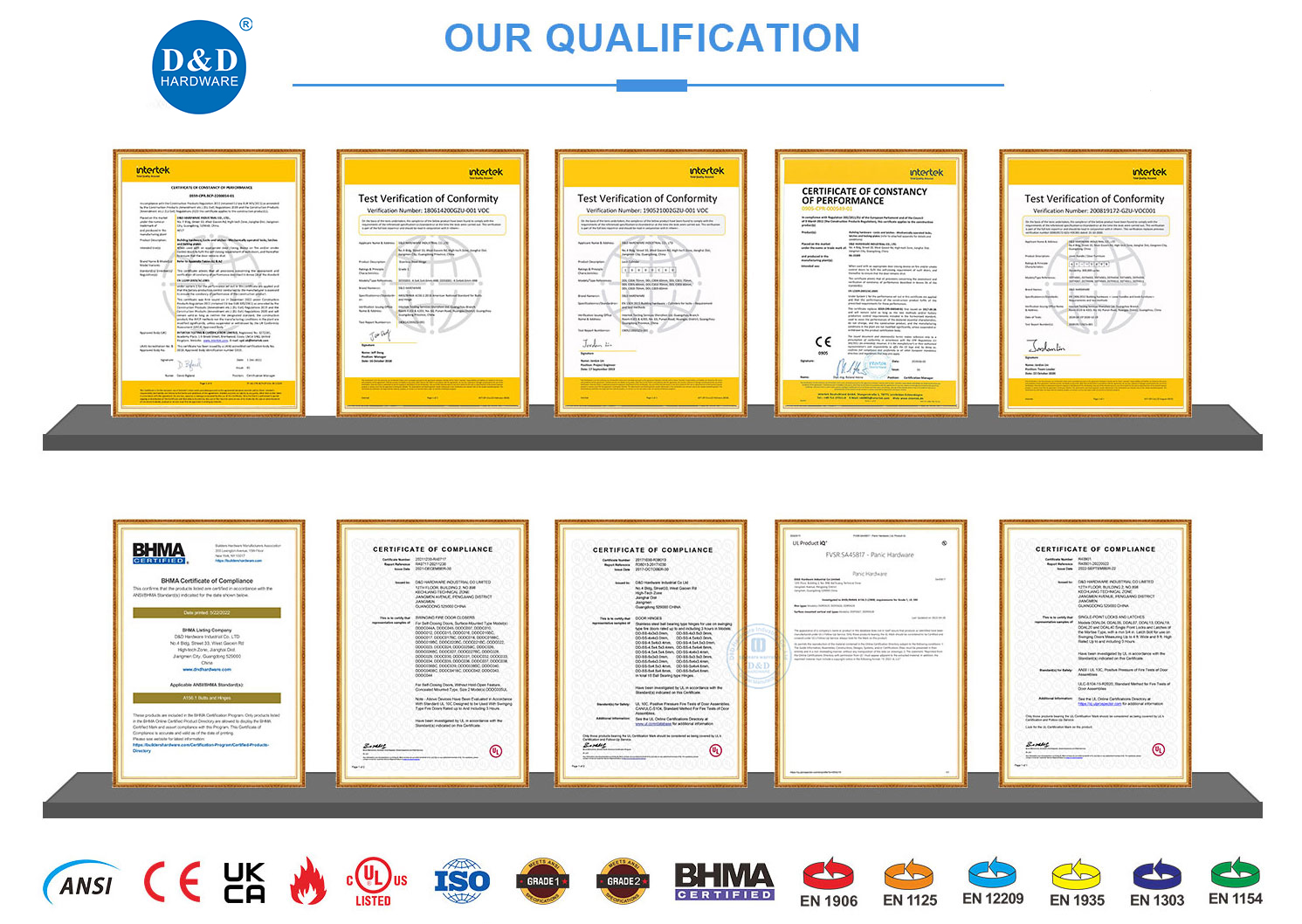
When you choose D&D Hardware, you get hardware that meets world standards and gives you quality, reliability, and security for every door in your building.
Key Criteria for Door Hardware Selection
Security Needs for Metal Doors
When you start choosing door hardware for a metal door, you need to think about security first. Metal doors often protect important areas in schools, offices, and hospitals. You want hardware that keeps people safe and stops unwanted entry. Look for locks and hinges that meet security standards. Many professionals check if the hardware follows fire safety rules and supports accessibility for everyone. You should pick hardware that works well with fire-rated doors and meets ADA requirements. This helps you keep your building safe and easy to use.
Tip: Always check if your door hardware meets local building codes. This step helps you avoid problems and keeps your door secure.
Material Strength and Finish
The material and finish of your hardware affect how long your door lasts and how it looks. You want strong materials that resist damage and corrosion. Stainless steel is a popular choice because it is tough and does not rust easily. Brass gives a classic look and can last for decades with good care. Zinc alloy is also strong and resists rust, making it a good option for many doors. Bronze works well in coastal areas because it fights corrosion. Aluminum is light and resists rust, but it may not be the best choice for doors in busy places.
Stainless steel gives you strength and resists moisture.
Brass offers a stylish finish and lasts a long time.
Zinc alloy combines strength and rust resistance.
Bronze is great for areas near the sea.
Aluminum works for light use but not for heavy traffic.
When you choose the right material, you improve the durability of your door hardware and make your door look better.
Weight Capacity and Door Size
You need to match your hardware to the size and weight of your door. Heavy metal doors need strong hinges and locks. If you use hardware that is too weak, your door may not work well or could break. Most interior slab doors can handle up to 200 lbs. Solid wood doors may need hardware that supports up to 300 lbs. Heavy-duty barn doors can require hardware for up to 800 lbs. For example, a typical 18 gauge hollow metal door weighs about 106 lbs. If you have a pair of these doors, the total weight can reach 212 lbs.
Door Type | Weight Capacity |
Average interior slab door | 200 lbs |
Heavier options (e.g., solid wood) | Up to 300 lbs |
Heavy-duty barn door hardware | Up to 800 lbs |
When choosing door hardware, always check the weight and size of your door. This helps you pick hardware that lasts and keeps your door working smoothly.
Note: If you are not sure about the weight of your door, ask an expert or check the manufacturer's details. This step helps you avoid mistakes and keeps your door safe.
Compatibility with Door Type
You need to match your hardware to the type of door you have. Not every piece of hardware works with every door. Metal doors need strong hinges and locks. Some doors swing in one direction, while others swing both ways. You must check if your hardware fits the way your door moves. Fire-rated doors require special hardware that can handle heat and keep the door closed during a fire. If you use the wrong hardware, your door may not work right or could fail when you need it most.
You should look at the thickness and style of your door. Some doors have frames made of steel, while others use wood. The frame affects which hardware you can use. Heavy doors need hardware that supports their weight. If your door is hollow, you need hardware that grips well and does not loosen over time. For glass doors, you need hardware that does not crack or break the glass.
Tip: Always check the manufacturer's guide to see which hardware matches your door type. This step helps you avoid problems and keeps your door working safely.
D&D Hardware offers solutions for many door types. You can find hardware for metal, wood, and glass doors. Their products fit different frames and styles. You get strong, reliable hardware that matches your door and keeps it secure.
Environmental and Usage Factors
You must think about where your door will be used. The environment affects how long your hardware lasts. Doors near the sea face salty air, which can cause rust. Doors in cold places may get exposed to deicing salts. These salts can damage metal parts. If your door is in a city, pollution can make hardware corrode faster. Doors in hospitals or labs may touch chemicals that wear down hardware.
Here is a table that shows common environmental factors and how they affect your door:
Environmental Factor | Description |
Location | Waterfront and coastal exposure can increase corrosion risk. |
Deicing Salts | More aggressive in colder climates, present year-round, and can be carried by moisture and wind. |
Pollution | Industrial and urban pollutants can contribute to corrosion. |
Chemicals | Exposure to aggressive chemicals in labs, hospitals, and food-preparation areas necessitates durable hardware. |
You should also think about how often people use the door. Busy doors in schools or offices need hardware that can handle lots of opening and closing. If your door is outside, you need hardware that resists rain, sun, and wind. For fire exits, you need hardware that works in emergencies.
D&D Hardware designs products for tough environments. You can choose stainless steel hardware for doors near the sea or in polluted areas. Their hardware stands up to chemicals and heavy use. You get peace of mind knowing your door will last and stay safe.
Note: Always pick hardware that matches your door’s environment and how people use it. This step helps your door stay strong and work well for years.

Types of Heavy-Duty Hardware for Metal Doors
Hinges (e.g., D&D Heavy Duty Ball Bearing Door Hinge)
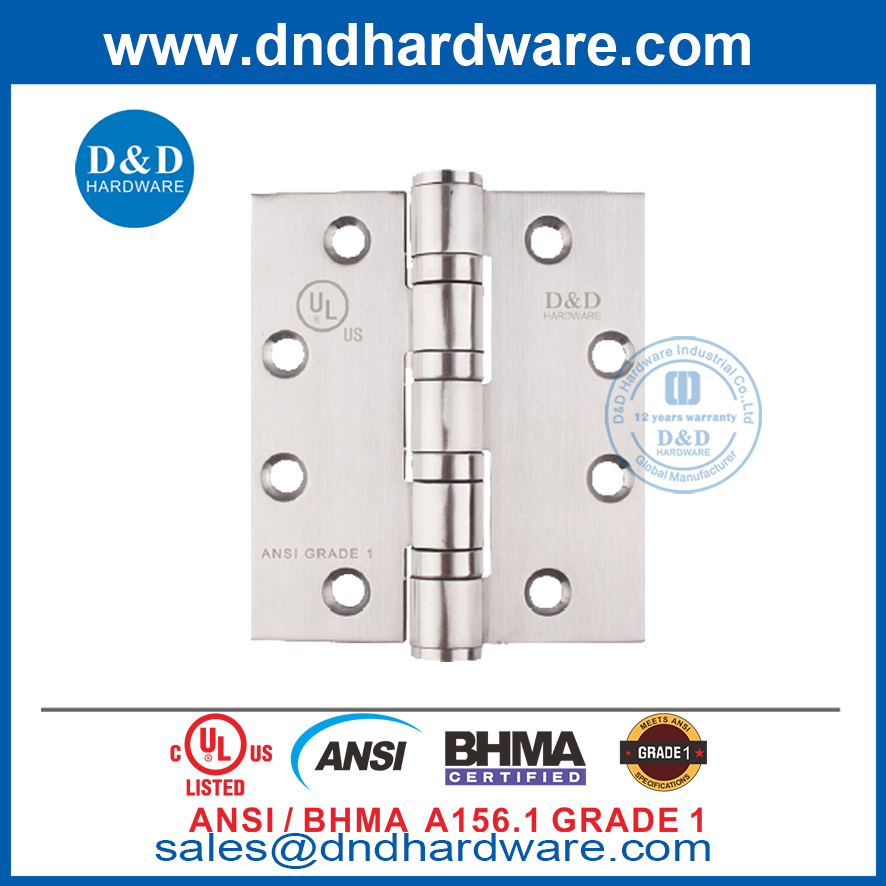
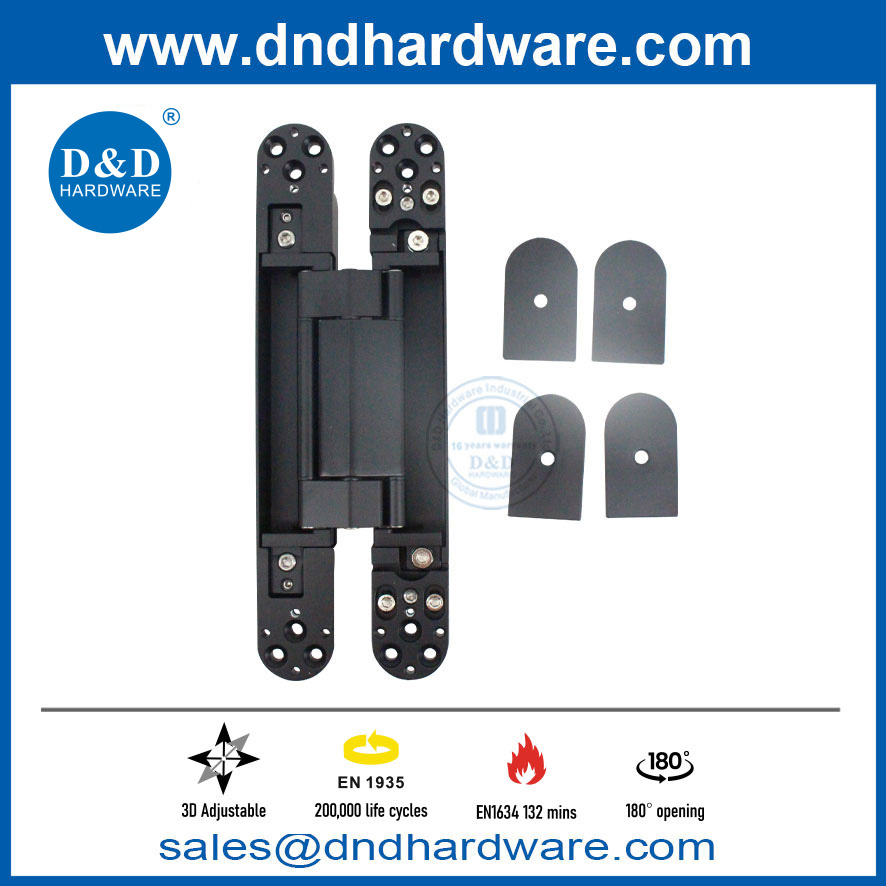
When you pick heavy-duty hardware for a metal door, you start with hinges. Hinges hold the door up and let it swing open and closed. Heavy-duty hinges, like the D&D Heavy Duty Ball Bearing Door Hinge, are made for tough jobs. You want hinges that last a long time and keep your door safe. Ball bearing hinges have tiny steel balls inside. These balls help the door move smoothly and quietly.
Ball Bearing vs. Standard Hinges
You might wonder how ball bearing hinges are different from standard hinges. Ball bearing hinges last longer and work more smoothly. Standard hinges can wear out faster and might squeak or get out of line. Ball bearing hinges are good for both business and home doors.
Feature | Ball Bearing Hinges | Standard Hinges |
Durability | Built for heavy use, lasting significantly longer | Prone to wear over time |
Smooth Operation | Virtually silent and effortless | Can squeak and cause alignment issues |
Versatility | Suitable for heavy doors in residential and commercial use | Best for lightweight or interior doors |
Security | Fixed-pin design for tampering protection | Standard design, less secure |
Ball bearing hinges spread the door’s weight evenly. This means less rubbing and fewer problems with sagging. These hinges are great for busy places like schools or offices.
Material and Finish Options
You need to choose the right material and finish for your hinges. Stainless steel is good for wet or seaside areas. Brass gives a classic look and fights rust. Zinc alloy is strong and does not rust easily. Bronze works well near the ocean. You can pick finishes like satin, polished, or matte. The right finish keeps your door looking nice and protects the hardware.
Locks and Deadbolts
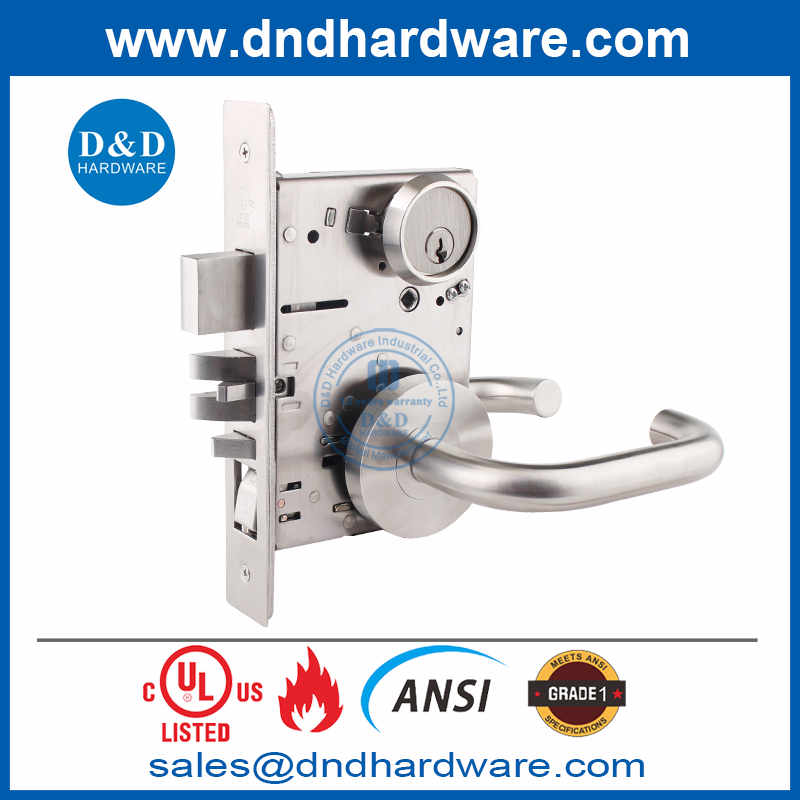
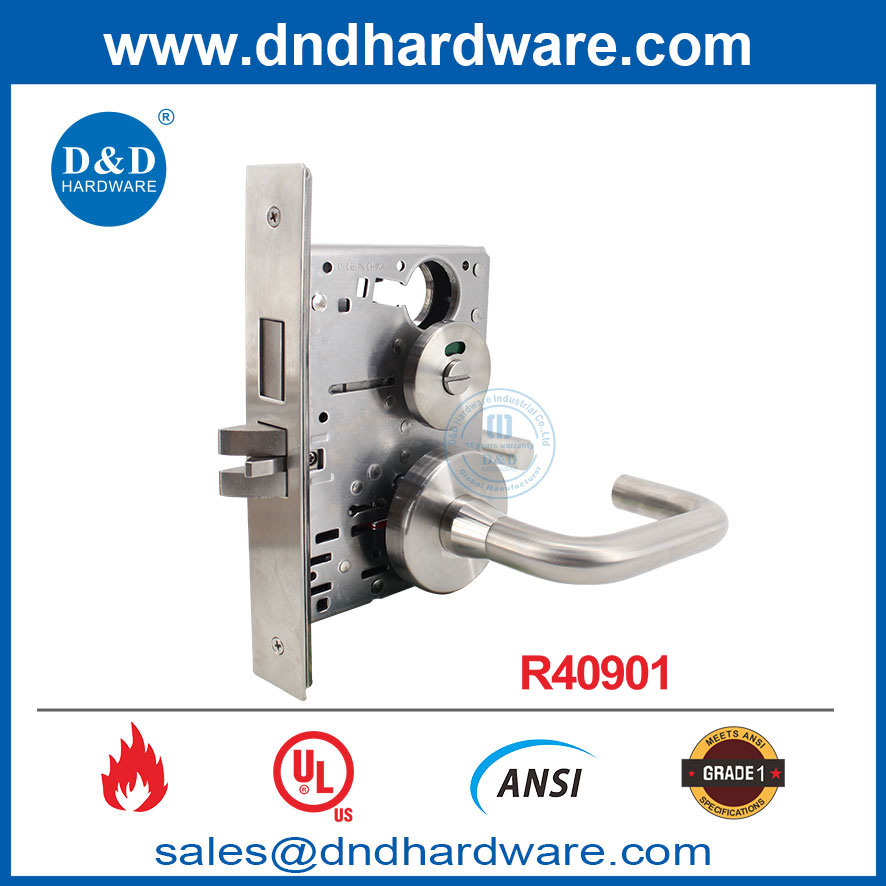
Locks and deadbolts keep your door safe. You want strong hardware that meets safety rules. Business doors often use Grade 1 locks for the best security. These locks are good for schools, hospitals, and offices. You can find locks with certifications like ANSI/BHMA, UL, and ADA.
Commercial Grade and Certifications
When you pick locks for metal doors, check for these certifications:
Certification | Details |
ANSI/BHMA | A156.36-2020, Grade 1 auxiliary lock |
ADA | ADA compliant thumbturn designs |
UL/cUL | UL 10C and CAN/ULC-S104 listed, 3-hour fire rated |
California Fire Code | Meets Building Code requirements |
Windstorm | Florida Building Commission, Miami Dade requirements |
BAA/TAA | Meets BAA (Buy American Act) |
Grade 1 locks are the strongest and safest. Grade 2 and Grade 3 locks are for lighter use. Always check the lock grade before buying.
Electronic vs. Mechanical Options
You can pick electronic or mechanical locks. Mechanical locks cost less and are easy to fix. Electronic locks let you open the door without a key and track who comes in. Mechanical locks are good if you want simple security. Electronic locks need batteries or power and may cost more.
Feature | Mechanical Locks | Electronic Locks |
Pros | Additional security, easy to change combinations, easy to access in the dark | Keyless convenience, monitor access, logs when the door opens |
Cons | Easy to damage and pick, less expensive | Needs power, higher cost, possible malfunctions |
If you want more features, pick electronic locks. If you want simple and strong security, choose mechanical locks.
Handles and Pulls
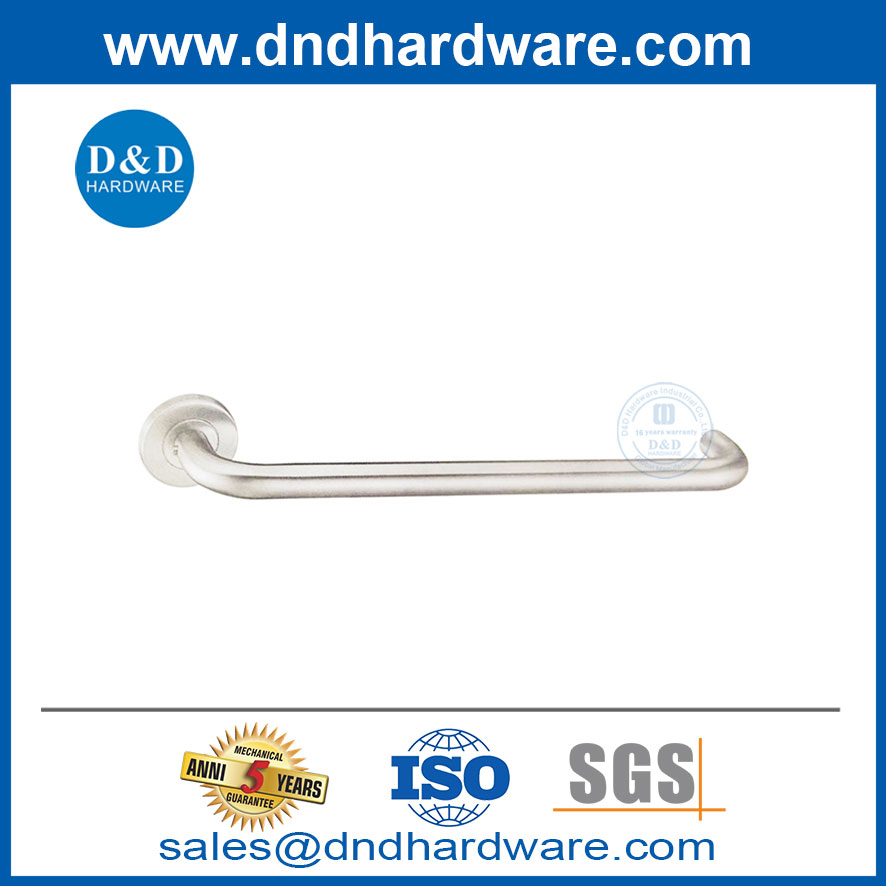
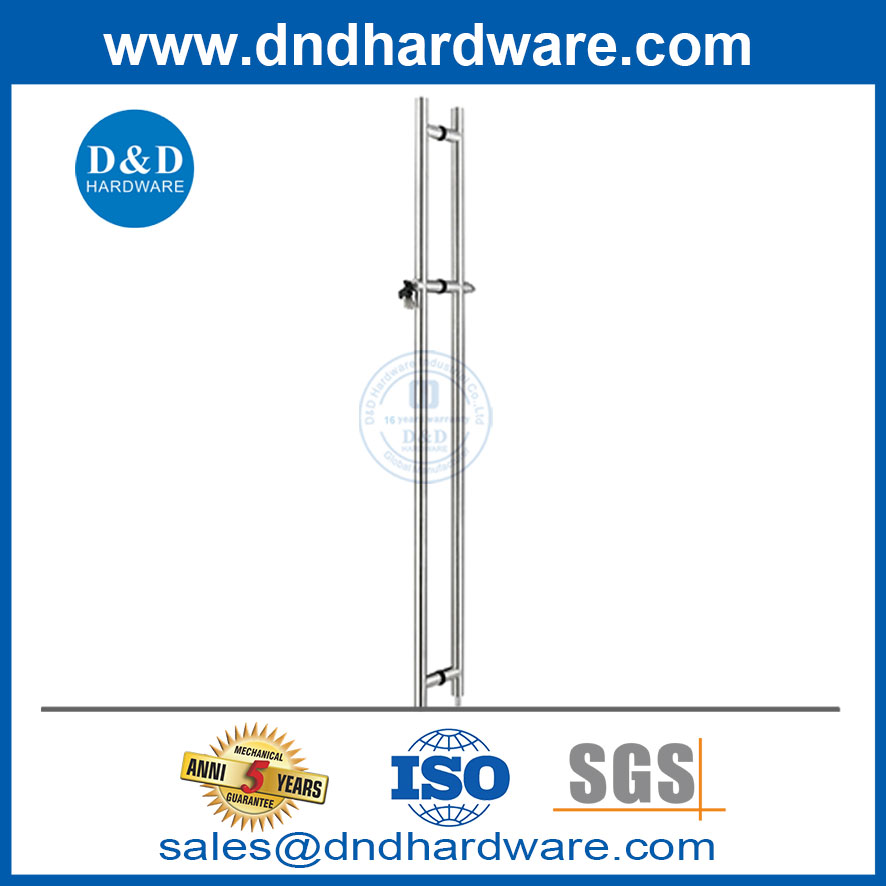
Handles and pulls help you open and close the door. You want handles that feel good and are safe to use. Ergonomic handles make it easy for everyone to use the door. Lever handles need less force and fit your hand well. Handles should be between 34 and 48 inches from the floor.
Ergonomics and Design
Ergonomic handles make doors safer and easier to use. You want handles with a shape that feels natural and is easy to grip. Stainless steel or brass helps stop slipping. Clear signs show how to use the handle. Good design helps kids, adults, and people with disabilities use the door.
Ergonomic Feature | Description |
Optimal Height | Handles positioned between 34 and 48 inches for accessibility |
Lever Design | Requires minimal force to operate, reducing strain |
Visual Cues | Clear indicators of handle functionality for intuitive use |
Natural Shape | Fits comfortably in the hand, promoting ease of use |
Secure Grip | Materials that enhance grip safety and comfort |
Tip: Pick handles and pulls that match your door and meet safety rules. This helps everyone use the door safely and easily.
Heavy-duty hardware for metal doors includes hinges, locks, handles, pulls, closers, panic bars, and strong mounting hardware. You need to pick the right kind for your door and how you use it. This helps your door last longer and keeps your building safe.
Closers, Latches, and Exit Devices
When you put in a metal door, you need closers, latches, and exit devices. These parts help your door open and close the right way. They also keep people safe if there is an emergency. You should pick the best hardware for each door in your building.
A door closer shuts the door by itself after someone opens it. This keeps the door closed and helps stop fire or smoke from spreading. You see door closers in schools, hospitals, and offices. They work quietly and make sure the door latches every time. Some closers let you change how fast the door closes.
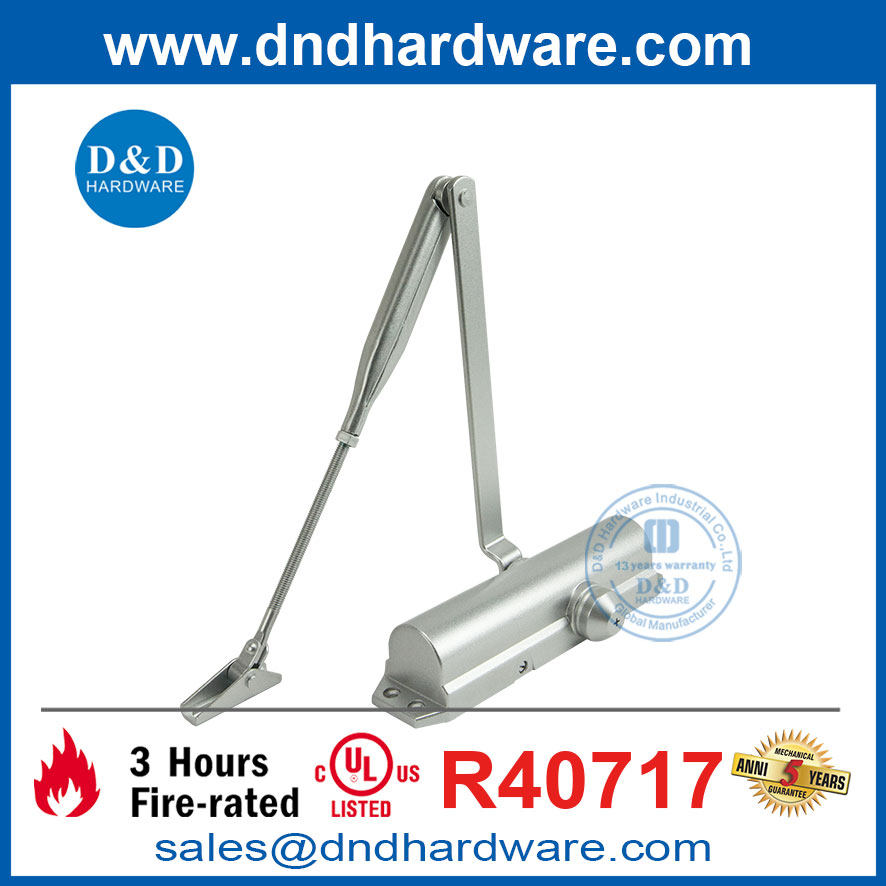
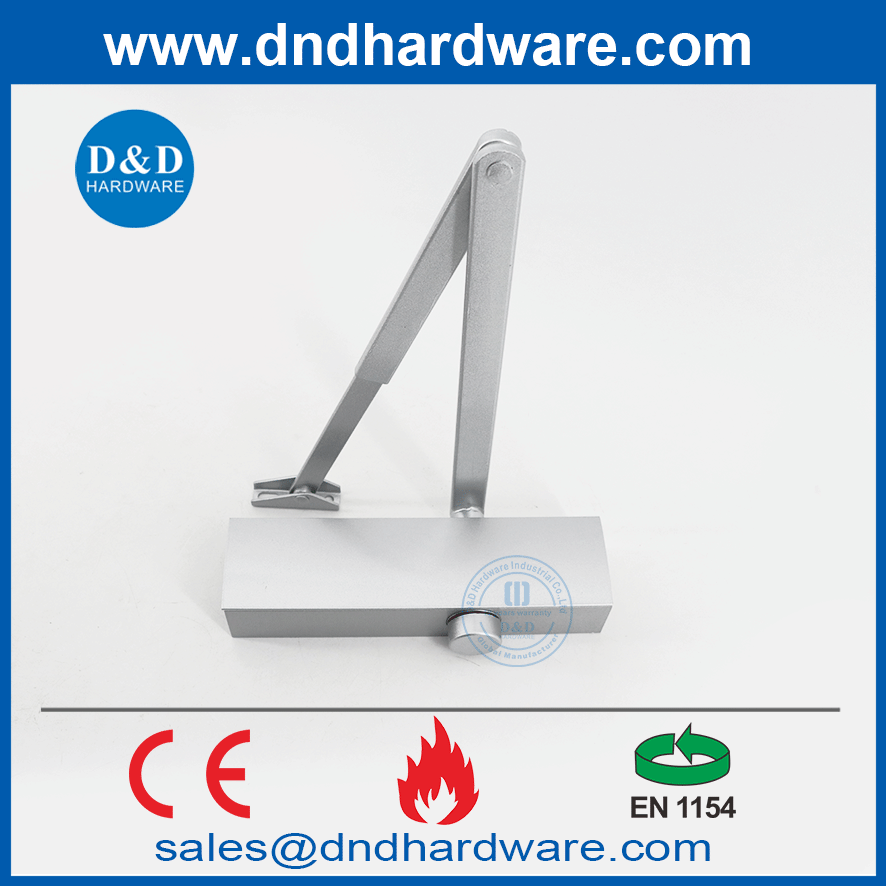
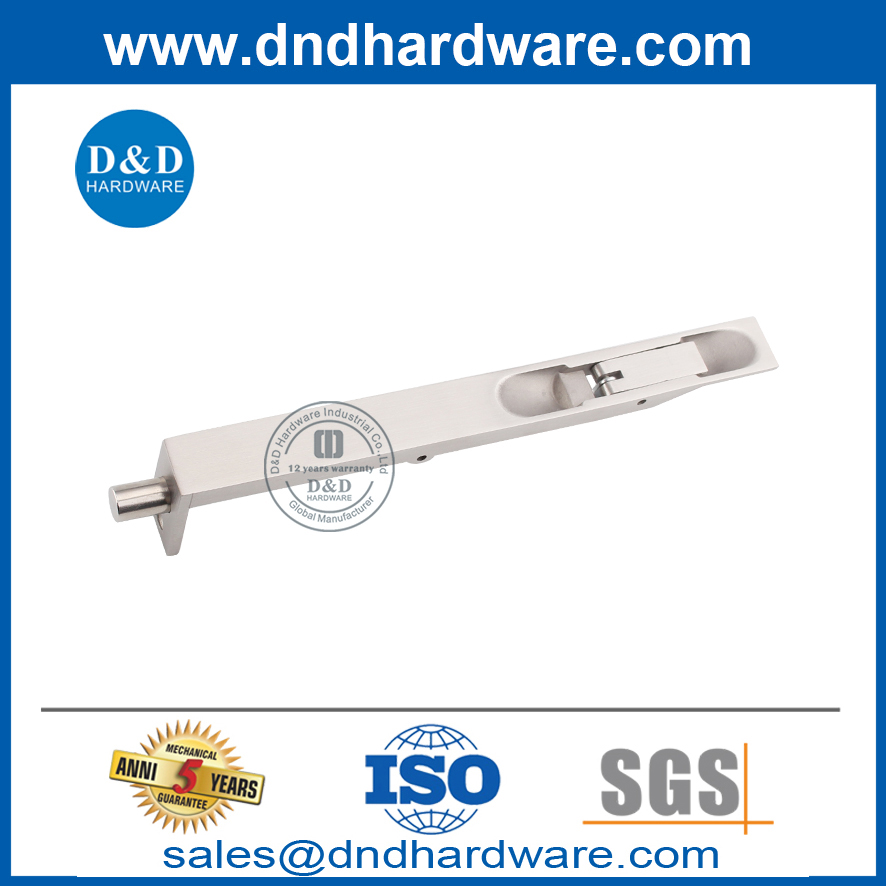
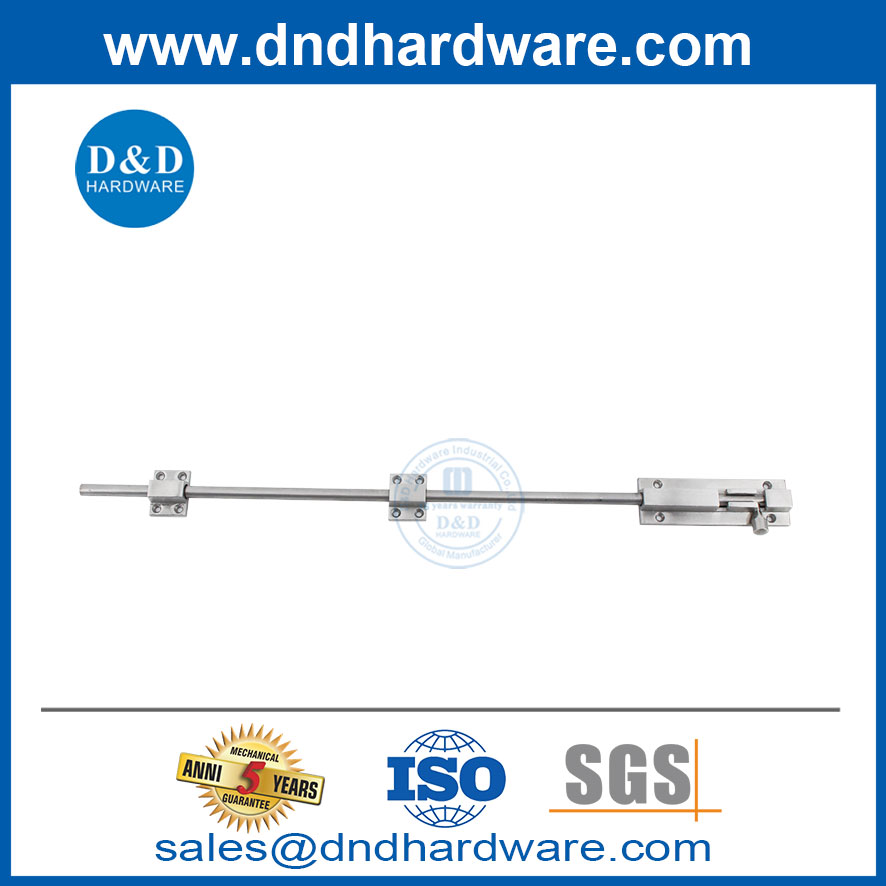
A latch holds the door shut when it is closed. You need a strong latch for a metal door. It keeps the door secure and stops it from swinging open by accident. Latches come in many shapes and sizes. Some latches work with locks to give extra security.
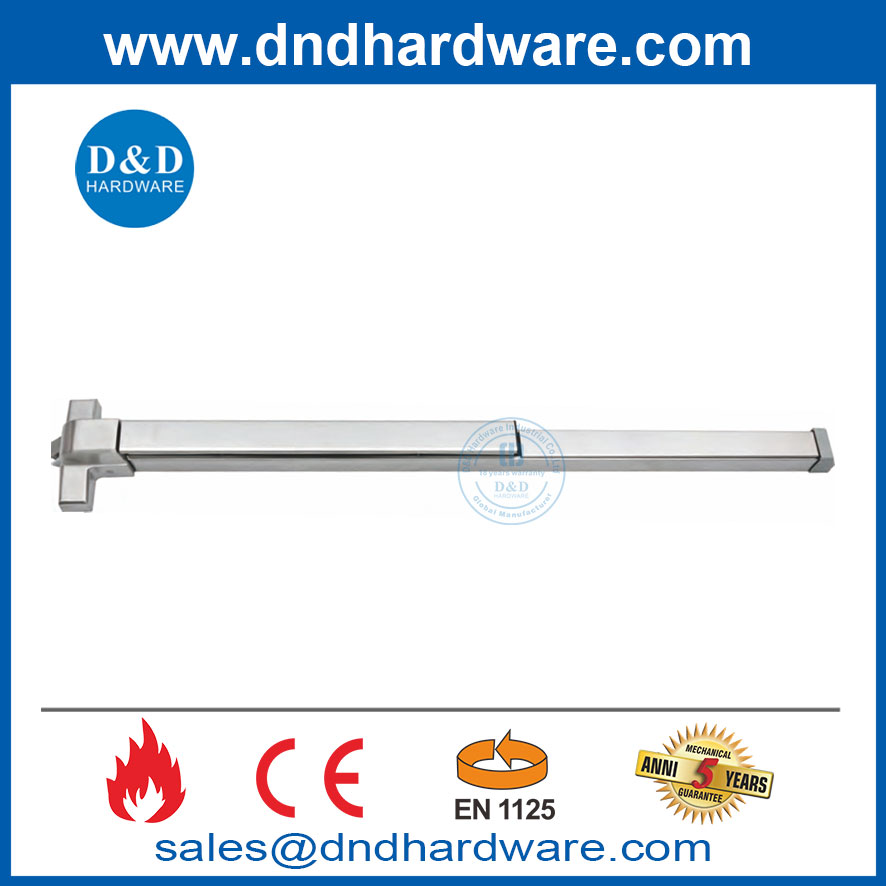
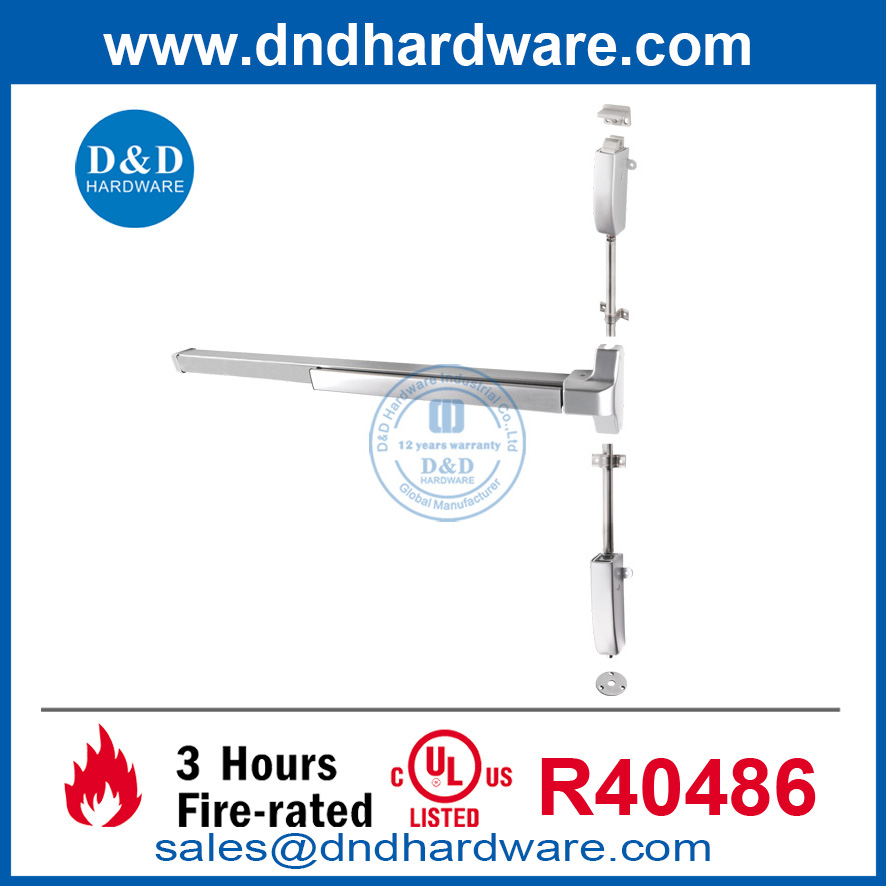
Exit devices are also called panic bars. They help people get out quickly in an emergency. You push the bar and the door opens fast. This is important in places with lots of people, like schools or shopping centers. Panic bars help everyone leave safely if there is a fire or other danger.
Fire-Rated and Panic Hardware
Fire-rated hardware protects people and things during a fire. You need fire-rated closers, latches, and exit devices for doors that must stay closed in a fire. These parts go through tough tests to make sure they work when you need them most. Panic hardware lets people open the door fast without a key or special tool.
Here is a table that shows the main features of fire-rated and panic hardware for metal doors:
Component | Key Features |
Door Closers | Make sure doors close and latch by themselves; keep the fire barrier strong. |
Locksets | Tested for fire resistance; keep doors safe and protect against fire. |
Hinges | Made from materials that can handle high heat; keep doors working during a fire. |
Panic Hardware | Lets people open doors quickly in emergencies; helps everyone get out safely. |
Smoke Seals and Intumescent Seals | Stop smoke from spreading and give extra protection from flames; make doors better at fighting fire. |
You should check if your door hardware has fire ratings like UL or CE. These ratings show the hardware passed fire tests. Fire-rated hardware helps your door stay closed and strong during a fire. Panic hardware helps people leave the building quickly and safely.
Tip: Always pick fire-rated and panic hardware for doors in escape routes or fire barriers. This helps you follow safety rules and keeps everyone safe.
D&D Hardware sells heavy-duty hardware for metal doors, like closers, latches, and exit devices. Their products meet world standards and work well in busy places. You get strong, reliable door hardware that protects people and property.
When you choose the right closers, latches, and exit devices, you make your door safer and easier to use. You help your building meet safety codes and give everyone peace of mind.

How to Order Heavy-Duty Hardware for New Metal Door Installations
Measuring and Assessing Needs
You need to measure your door before you start. Use a steel tape to check the width from one side to the other. Measure the height from the top to the bottom. Check the thickness with a tape or caliper. Write down all your numbers so you do not forget.
You also need to measure for hinges, locks, and latches. Hinges come in different heights, like 4-1/2 inches or 5 inches. Most hinges are 0.134 inches thick, but heavy doors need 0.180 inch hinges. The hinge backset is usually 1/4 inch. For locks, measure the backset, which is often 2-3/4 inches. Latch sizes and strike plate sizes are important too. If you miss a measurement, your hardware might not fit.
Here is a table to help you remember what to measure for your door:
Measurement Type | Description |
Door Width | Measure from edge to edge across the door using steel tape. |
Door Height | Measure from top to bottom edges of the door using a steel tape. |
Door Thickness | Measure using steel tape or caliper; terms ‘thickness’ and ‘gauge’ are used for ordering. |
Hinge Height | Common sizes are 4-1⁄2′′, 5′′, 3-1⁄2′′, 4′′, and 6′′. |
Hinge Weight | Standard weight is 0.134′′; heavy weight is 0.180′′. |
Hinge Backset | Critical measurement; most common dimension is 1/4′′. |
Latch Dimension | Common sizes are cylindrical (1-1/8′′ x 2-1/4′′) and mortise (1-1/8′′ x 8′′). |
Lock Backset | Most common backset dimension is 2-3/4′′. |
Strike Height | Most common is 4-7/8′′. |
Strike Location | Measure from the door rabbet surface of the frame header to the top of the cutout. |
Tip: Double-check your measurements before you order. This helps you avoid mistakes and saves time when you install your door.
Matching Hardware to Door and Frame
You must match your hardware to your door and frame. First, check what kind of door you have. Metal doors need strong hinges and locks. Make sure your hardware fits the thickness and style of your door. Most doors are 1-3/4 inches thick, but always measure to be sure.
Think about what your door will do. If you need security, pick strong locksets. For easy opening, choose lever handles. If your door is for looks, pick hardware that matches your style. You also need to know if your door is left-handed or right-handed. This helps you get the right hardware.
Check if your door is ready for the hardware you want. The backset is the space from the edge of the door to the middle of the hole. This measurement helps you order hardware that fits just right.
Here is a list to help you:
Door Handles: Knobs, levers, handles. These add style and help you open the door.
Locksets: Pick the type and grade for strength.
Hinges: Choose the number and size for your door’s weight.
Latches: Pick the right size and design for your lock.
Strike Plates: Match the size and shape to your lock and latch.
Door Type: Make sure hardware fits your door’s thickness and style.
Function: Decide if you need locking, non-locking, or dummy hardware.
Style: Pick hardware that matches your room.
Security Needs: Use strong locks for outside doors.
Accessibility: Lever handles help people who have trouble turning knobs.
Door Preparation: Check if your door has the right holes.
Door Handedness: Order hardware for left or right-handed doors.
Door Thickness: Measure to make sure everything fits.
Backset: Measure for the right fit.
Note: Matching your hardware to your door and frame helps your door work well. You avoid problems and your installation goes smoothly.
Checking Certifications and Specifications
You need to check certifications and specifications before you order. Certified hardware meets safety and quality rules. Look for marks like UL, CE, and ANSI. These show your hardware passed hard tests.
Ask for papers when you order. You should get a plan for hardware certification, a hardware verification plan, and a hardware configuration index. You also need a hardware accomplishment summary. These papers show your hardware meets all the rules.
Here is a table to help you know what papers you need:
Documentation Type | Description |
Plan for Hardware Aspects of Certification (PHAC) | Required as per RTCA/DO-254, Section 10.1.1 |
Hardware Verification Plan | Required as per RTCA/DO-254, Section 10.1.4 |
Hardware Configuration Index | Required as per FAA Order 8110.105A, Paragraph 4-5.a |
Hardware Accomplishment Summary (HAS) | Required as per RTCA/DO-254, Section 10.9 |
You also need hardware requirements, a plan for checking, and a way to test. Test samples should come from the final design with drawings and a list of parts. Test tools must have special IDs so you can track them. Trained people should do the tests.
If you order electronic hardware, check which certifications you need for your area. This helps you follow the law and keeps your door safe.
Tip: Always ask for certification papers before you order. This helps you trust your hardware and keeps your door installation safe.
Consulting with D&D Hardware Experts
You want your new door to work perfectly. You need the right door hardware for your project. Sometimes, picking the best hardware feels confusing. You can make this process easier by talking to experts at D&D Hardware.
D&D Hardware has a team that helps you choose the right products. You can ask questions about your door, your building, or your installation. The experts listen to your needs and guide you step by step. You get advice on which hinges, locks, or handles fit your door best. If you have a special project, you can ask for custom solutions. The team works with you to make sure your door hardware matches your door and your style.
You might want to know what kind of help you get from D&D Hardware. Here is a table that shows the support services you can use:
Service Type | Description |
Qualified Experienced Team | Assists you in finding the right hardware solutions for your door and your needs. |
Customization Options | Offers custom-made solutions to fit your market and your door requirements. |
Long-term Relationships | Builds a partnership with you for future projects and ongoing support. |
You can reach out to D&D Hardware by phone or email. You can send pictures or drawings of your door. The experts look at your details and suggest the best hardware for your installation. You get help with measurements, certifications, and matching hardware to your door frame. If you need special finishes or sizes, you can ask for custom products.
Here are some steps you can follow when you consult with D&D Hardware experts:
Prepare your door measurements and details.
Contact D&D Hardware by phone or email.
Share your project needs and any special requests.
Ask questions about installation, certifications, and hardware options.
Review the expert recommendations and choose your hardware.
Confirm your order and get support for installation.
Tip: Always talk to experts if you feel unsure about your door hardware choices. You save time, avoid mistakes, and get the best results for your door installation.
You get peace of mind when you work with D&D Hardware. The team helps you from start to finish. You get strong, certified hardware that fits your door and lasts for years. You build a relationship with experts who care about your project and your safety.
Installing Door Hardware for Metal Doors
Preparation and Tools
You need to prepare before installing door hardware on a metal door. Start by gathering the right tools and materials. Good preparation helps you work faster and keeps your installation safe. You should clear the area around the door and make sure you have enough light. Lay out all your hardware and check that you have every part.
Here is a table that shows the tools and steps you need for installing door hardware:
Step/Tool | Description/Usage |
Greenlee drill bit set | Drill and tap holes for the strike plate and door closer. |
12-24 bolt | Secure the strike plate; drill and tap in one motion. |
Stainless steel screws | Use for threshold installation to prevent rust. |
Shims | Fill gaps between the jamb and wall for a tight fit. |
Jamb weather-stripping | Install with self-tapping pan head screws for a proper seal. |
You should wear gloves and safety glasses to protect your hands and eyes. Always read the instructions for your door hardware before you start. This step helps you avoid mistakes and keeps your door hardware installation smooth.
Alignment and Mounting
You must align and mount your door hardware carefully. Good alignment helps your door open and close smoothly. If you rush, your door may stick or rub against the frame. Follow these steps to make sure your installation works well:
Inspect the door and frame. Open and close the door to see how it moves. Look for gaps or places where the door rubs or sticks.
Tighten or replace hinges. Check for loose screws on the hinges. Tighten them or replace any worn or bent hinges.
Adjust hinge placement. Loosen the screws on the hinge plates. Shift the hinge position, retighten the screws, and test the door’s movement.
Use shims for extra support. Insert shims behind the hinge plates to adjust the door’s position. This step helps the door move smoothly.
Fix rubbing or scraping issues. Sand down areas of the door that scrape against the frame or floor. Check for anything blocking the door.
Test and lubricate. Test the door after making adjustments. Apply a silicone-based lubricant to the hinges for quiet movement.
You should check the alignment after installing each piece of door hardware. This step helps you catch problems early and keeps your door working well.
Safety and Best Practices
You need to follow safety rules during door hardware installation. Safety protects you and makes sure your door works right. Professional installation helps you meet safety standards. You should ask a qualified installer if you feel unsure about any step.
Professional installation is important for safety and compliance.
Regular inspections by qualified professionals help maintain safety.
Follow the International Building Code (IBC) and National Fire Protection Association (NFPA) standards for proper installation and maintenance.
Always use the right tools and wear protective gear. Read the instructions for each piece of door hardware. Double-check your work before finishing the installation. You should keep the area clean to avoid accidents. If you install fire-rated hardware, make sure you follow all safety codes.
Tip: Safety comes first. Take your time and follow every step. Good installation keeps your door strong and safe for years.
D&D Hardware designs user-friendly products to make installing door hardware easier. You get clear instructions and strong materials. When you follow best practices, your door hardware installation lasts longer and keeps your building safe.
Common Installation Mistakes
When you put in a new door, you want it to work well. People often make mistakes when installing doors. These mistakes can cause problems with how the door works. They can also make the door wear out faster. You can stop these problems if you know what to look for.
Here is a table that lists common mistakes people make when putting hardware on metal doors:
Mistake | Explanation |
Not Checking the Swing Direction | Checking the swing direction helps you avoid problems and extra work. |
Skipping Sealant Application | If you forget sealant, water can get in and damage the door. |
Using Incorrect Fasteners | Wrong fasteners can make the door sag or fall apart. |
Applying Insufficient Insulation | Not enough insulation lets cold air in and wastes energy. |
Overlooking Threshold Corrections | Bad threshold installation lets air and water inside. |
Disregarding Local Building Codes | Not following codes can mean fines or having to fix the door. |
Poor Hardware Selection | Bad hardware makes the door unsafe and hard to use. |
Failing to Account for Flooring/Humidity | Not thinking about floors or humidity can make the door stick or rub. |
Not Testing the Door After Installation | Testing helps you find problems and fix them fast. |
You should check which way the door will swing before you start. If you put the door in wrong, you may need to do it again. Look at the space and decide if the door should open in or out.
Sealant keeps water out of your door. If you skip sealant, water can get inside and hurt your door. Put sealant around the edges and any holes you make.
Fasteners hold the hardware in place. If you use the wrong screws or bolts, the door may sag or come loose. Always use the right fasteners or ask someone who knows.
Insulation stops cold air from coming in. If you forget insulation, rooms can get cold and waste energy. Put insulation around the frame and threshold.
Threshold corrections help the door close tight. If you do not fix the threshold, air and water can get inside. Always check the threshold and make sure it fits well.
Local building codes tell you how to install doors safely. If you ignore these rules, you might get fined or need to fix your door. Read the codes before you start.
Picking good hardware is important. If you choose poor hardware, your door may not lock or open right. Pick certified hardware from trusted brands like D&D Hardware.
Flooring and humidity can change how your door fits. If you do not check these things, your door may rub or stick. Look at the floor height and room humidity before you install.
Testing the door after you finish helps you find problems early. Open and close the door a few times. Make sure it moves easily and locks the right way.
Tip: Go slow when you install your door. Check every step twice. If you are not sure, ask an expert for help. Careful work helps your door last longer and keeps everyone safe.

Exterior Door Hardware and Maintenance
Weather Resistance and Corrosion Protection
When you pick hardware for outside doors, think about the weather. Outside doors face rain, sun, wind, and hot or cold days. You want hardware that does not rust or break easily. Stainless steel is strong and does not rust. Powder coating adds a hard layer that stops scratches and damage from weather. Physical Vapor Deposition (PVD) makes the finish even tougher and keeps hardware looking new. Hot-dip galvanizing covers steel parts to stop rust. Anodizing makes aluminum harder and helps it fight rust. Fiberglass doors are good because they do not dent or rust.
Here is a table that lists the best materials and finishes for outside door hardware:
Material/Finish | Advantages |
Stainless Steel | Corrosion-resistant, ideal for extreme weather. |
Powder Coating | Durable, weather-resistant finish. |
Physical Vapor Deposition (PVD) | Superior scratch resistance, enhances durability. |
Hot-Dip Galvanizing | Excellent corrosion protection for steel. |
Anodizing (Aluminum) | Increases hardness and corrosion resistance. |
Fiberglass | Resists corrosion, dents, and lasts decades. |
You need strong hardware for every outside door. D&D Hardware sells hardware that lasts and protects against bad weather. You can feel sure your outside door hardware will last a long time.
Routine Inspection and Care
You keep your outside door working by checking it often and taking care of the hardware. Oil the hinges two times each year to help them move easily. Tighten any loose screws so the door stays straight and opens well. If you hear squeaks, use WD-40 or petroleum jelly to stop them. Keep hinges clean and dry so they do not rust. If you see rust, use special paint to stop it from spreading. Look at the weather stripping and change it if it is broken. This keeps out cold air and water. Check if the door is crooked and fix the hinges if needed. If your hinges look old or weak, get new heavy-duty ones that do not rust.
Here is a simple list to help you care for your outside door hardware:
Oil hinges and moving parts two times a year.
Tighten screws and check if the door is straight.
Stop squeaks with household oil.
Clean and dry hardware to stop rust.
Change broken weather stripping.
Get new rust-proof hinges if old ones are worn.
Taking care of your hardware helps it last longer and keeps your door safe and easy to use.
Upgrading and Replacing Hardware
Sometimes you need to get new hardware for your outside door. First, take off the old knob and lock from inside the door. Remove the outside handle and lock cylinder. Unscrew the faceplates from the edge of the door. Take out the old strike plates from the door frame. Put the new deadbolt and latch bolt into the holes in the door edge. Use the screws that come with your new hardware to hold them in place. Install the new strike plates in the door frame and make sure they match up with the bolts. Place the new handle over the holes in the door. Make sure the lock cylinder and thumb latch posts fit into the new deadbolt and latch bolt. Put the lock over the cylinder post and the knob’s spindle on the thumb-latch post. Use screws to hold both in place. Attach the inside knob to the spindle and tighten the screw. Add any extra screws to make the handle base steady.
When you get new hardware, your outside door becomes safer and easier to use. D&D Hardware helps you install new hardware and pick the right kind for your door. You get help from experts and hardware that lasts a long time.
Tip: Check your hardware often and get new parts when needed. This helps your outside door work well and last longer.
Avoiding Common Door Hardware Mistakes
Mistakes happen when you choose hardware for your door. You can avoid problems by learning about common errors and how to fix them. D&D Hardware helps you make smart choices so your door works well and lasts a long time.
Overlooking Compatibility
You need to check if your hardware matches your door. Many people forget this step. Metal doors have a different structure than wooden doors. If you use screws made for wood, they will not hold in a metal door. The screws can pull out, causing the lock to become loose or misaligned. Your door may not close right. Hinges that are too thin can bend under the weight of a heavy door. This can make your door tilt or even fall. Always pick hardware designed for your door type. You keep your door safe and strong when you match the right parts.
Tip: Before installation, always check the hardware packaging and instructions. Make sure every screw, hinge, and lock is made for your door.
Ignoring Standards and Certifications
You must look for certifications when you buy door hardware. Standards like UL, CE, and ANSI show that your hardware passed safety tests. These marks help you trust the product. The Builders Hardware Manufacturers Association gives rules for hardware. These rules help you pick hardware that meets safety codes. If you ignore certifications, you risk using hardware that may fail during emergencies. Certified hardware helps you build a safe and long-lasting door system. You protect your building and everyone inside when you follow these standards.
Standard | What It Means | Why It Matters |
UL | Fire and safety tested | Keeps your door safe in fire |
CE | Meets European rules | Trusted for quality |
ANSI | American standards | Reliable for heavy-duty use |
Using Inferior Materials
You need strong materials for heavy-duty hardware on your door. Using cheap or weak materials can cause many problems:
Harmful dust can come from poor-quality hardware. This dust is bad for children and people with weak immune systems.
Knock-off hinges may not hold up a heavy door. Accidents can happen if the door falls.
Weak hardware wears out fast. You spend more money on replacements.
Bad materials hurt the environment. They do not last and are hard to recycle.
Your property value can drop. Buyers see poor hardware as a sign of neglect.
You keep your door safe and your building looking good when you choose high-quality materials. D&D Hardware uses strong metals and tested designs. You get hardware that lasts and protects your door.
Note: Always ask about the material before you buy. Good hardware keeps your door working and your building safe.
Mistakes can cost you time and money. You avoid problems by checking compatibility, looking for certifications, and choosing strong materials. D&D Hardware helps you with every step, from selection to installation. You get expert advice and reliable products for your door.
You can keep your building safe by picking the right door hardware. First, check each door’s size, weight, and where it is. Choose certified heavy-duty hardware for every door. This helps your doors meet safety rules and last longer. Use Grade 1 locks for doors that many people use. Always match the hardware to your business and each door. Check and fix your doors often so they work well. Smart locks and keyless systems help you control who gets in.
Follow safety rules like the International Building Code and ADA for every door.
Pick heavy-duty hardware to make doors safer and stronger.
Think about your business needs when choosing locks and hardware for each door.
Use Grade 1 locks for doors that get lots of use.
Check and fix hardware often to stop problems with any door.
Try smart locks and keyless entry for better control on each door.
You save money over time when you ask experts for help with every door. Professionals give advice for each door based on what you need. Experts look at how busy your doors are, what codes you must follow, and how your needs might change. Good installation by trusted people means fewer problems and repairs for each door.
Getting expert help saves money and gives peace of mind for every door.
Professionals give advice that fits your business for each door.
Experts talk about things like how busy your doors are, local rules, and future needs for every door.
Trusted installers help you avoid problems and repairs for each door.
Think about what you need for every door and contact D&D Hardware for help. With the right hardware and installation, every door in your building stays safe, follows the rules, and is easy to use.
FAQ
What makes heavy-duty door hardware different from regular hardware?
Heavy-duty door hardware uses stronger materials and supports more weight. You get better security and longer life for your door. This type of hardware works best for doors in busy places or where you need extra strength.
How do I know if my door needs heavy-duty hardware?
Check the weight and size of your door. If your door feels heavy or you use it often, you need heavy-duty hardware. You also need it for doors in schools, hospitals, or offices.
Can I install heavy-duty hardware on any door?
You can use heavy-duty hardware on most doors. Always check the thickness and material of your door before installation. Some doors, like hollow-core doors, may not support heavy-duty hardware well.
What tools do I need for door hardware installation?
You need a screwdriver, tape measure, drill, and level. Some installations need extra tools like a chisel or wrench. Always read the instructions before you start working on your door.
How do I measure my door for new hardware?
Use a tape measure to check the width, height, and thickness of your door. Write down each number. Measure the distance from the edge of the door to the center of the handle hole.
Why do certifications matter for door hardware?
Certifications show that your door hardware passed safety and quality tests. You get peace of mind knowing your door will work in emergencies. Certified hardware helps you meet building codes.
How often should I check my door hardware after installation?
Check your door hardware every six months. Look for loose screws, rust, or parts that do not work right. Regular checks help your door last longer and keep your building safe.
Can I replace old hardware on my door by myself?
You can replace old hardware if you follow the instructions. Make sure you have the right tools. If you feel unsure, ask an expert for help. Good installation keeps your door working well.
Contact us Now: Contact: David Jian
Mob:0086-139 2903 7292
Email: David@dndhardware.com, sales@dndhardware.com,
Jobby Zhang
Mob:0086-137 2599 9617
Email: jobby@dndhardware.com
D&D HARDWARE INDUSTRIAL CO.,LTD
ADD:12th Floor, Building 2, No.898, KeChuang Technical Zone, Jiangmen Avenue, Pengjiang District, Jiangmen City, Guangdong, China (Postcode:529000)
https://www.dndhardware.com
Tel: +86-750-3856396
Fax: +86-750-3856395

 English