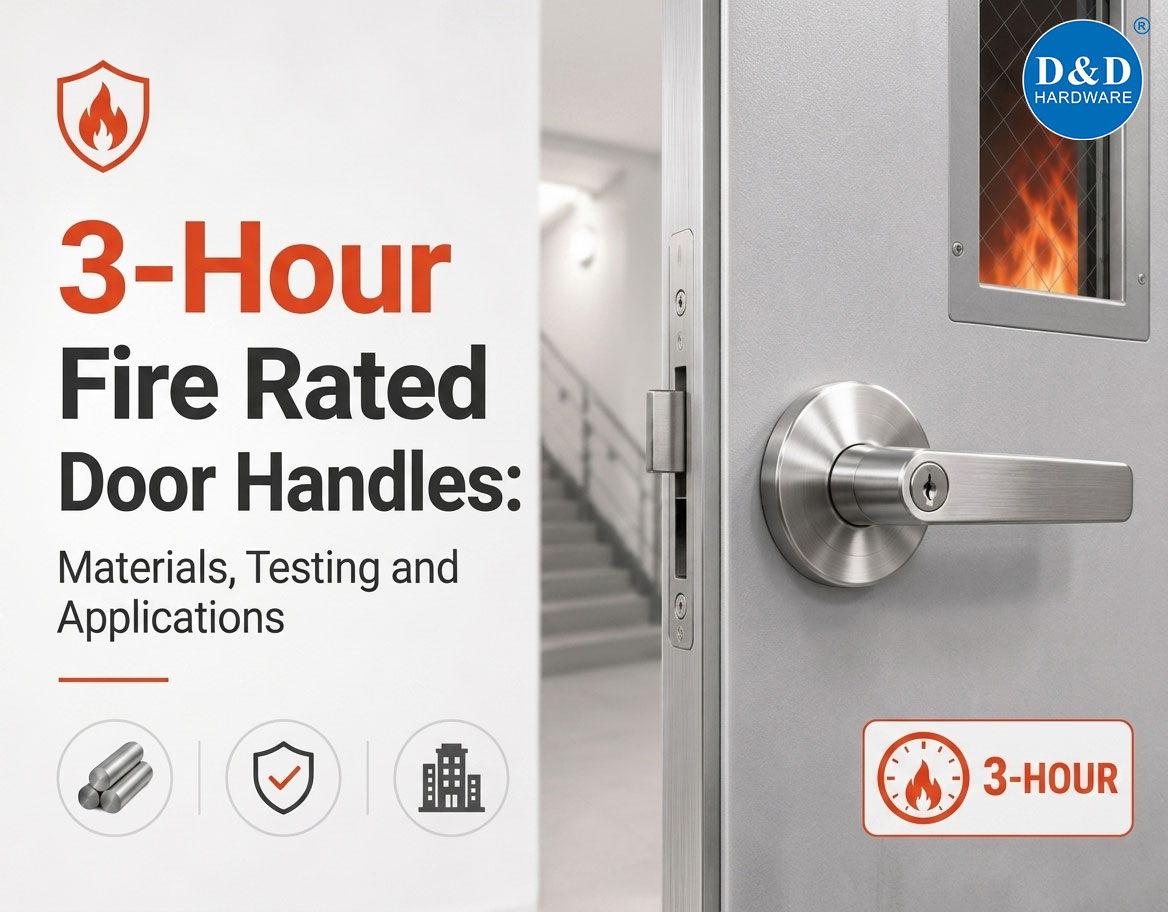
3-hour fire rated door handles are used on fire-rated door assemblies where high levels of fire protection, durability and code compliance are required. They are commonly specified for commercial buildings, hospitals, schools, factories, stairwells, mechanical rooms, data centers and other high-risk areas.
However, a door handle alone does not make a door fire-rated. The fire rating belongs to the complete fire-rated door assembly, including the door leaf, frame, hinges, latch or lock, closer, seals and approved hardware. A 3-hour fire rated door handle usually refers to a handle, lever trim or lockset component that is suitable for use on a 3-hour fire-rated door assembly when installed according to the applicable listing, standard and project specification.
This guide explains what 3-hour fire rated door handles mean, how they are used, which materials are commonly selected, what testing and certification requirements may apply, and how to choose the right fire rated door hardware for commercial and industrial projects.

Key Takeaways
Use 3-hour fire rated door handles in places with high risk. These places include stairwells and machine rooms. This helps keep people safe if there is a fire.
Make sure the fire rating of the door handle matches the door's rating. This keeps fire protection strong and follows safety rules.
Look for certification marks like UL and CE on fire rated handles. These marks show the handles meet safety standards and laws.
Check fire rated door hardware often and keep it in good shape. This makes sure it works right and follows fire safety rules.
Pick fire rated handles made from strong materials like stainless steel. These handles last longer and can stand up to high heat.
Door Handle Requirements for Fire Safety
Code Requirements
There are strict rules for fire rated door handles. Building codes help keep people and buildings safe from fire. The International Building Code (IBC) and local fire codes give these rules. They say what kind of door handle you need for each door. These codes say fire doors must have fire rated handles. You have to use certified hardware that matches the door’s fire rating. For example, a 3-hour rated door needs a 3-hour rated handle.
You cannot put regular handles on fire doors. If you do, you could break the law and put people in danger. Insurance companies also want you to follow fire safety rules. If you skip checks or use the wrong parts, you might pay more for insurance or lose it. Using the wrong parts can take away the fire rating of the door. This could mean your insurance claim gets denied, or you get fined.
The Grenfell Tower tragedy showed what happens when fire safety rules are not followed. It led to tougher rules because the fire spread fast from bad fire doors.
You have to use certified fire rated door hardware to keep the fire barrier strong. Building codes and insurance often require certified hardware. If you do not follow the rules, you could get in trouble with the law.
When 3-Hour Ratings Are Needed
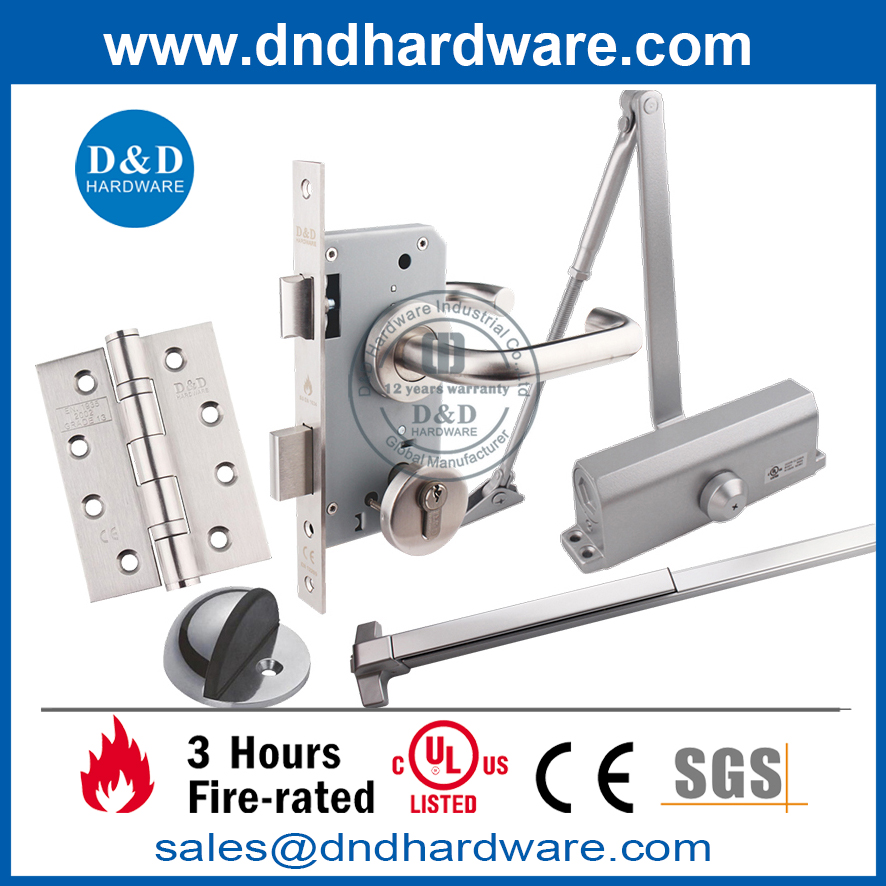
You need 3-hour rated door handles where fire risk is very high. These handles go on doors that separate important places, like stairwells or machine rooms. You see 3-hour rated doors in factories, hospitals, and big office buildings. These doors must stop fire for a long time. A 3-hour rating means the door and handle can hold back fire for three hours.
The handle’s fire rating must match the door’s rating. If you have a 3-hour door, you cannot use a lower rated handle. The handle needs the same fire resistance as the door. This keeps the door hardware strong in a fire. It also helps the door work right and stay safe.
Sometimes, you need panic hardware on exit doors. Panic hardware lets people open the door fast in an emergency. If the door needs a fire rating, the panic hardware must be fire rated too.
If you do not use the right fire rated handles, the whole door might lose its certification. This can cause problems with insurance, safety, and following the rules. Using the right fire rated door hardware protects people, property, and keeps you out of legal trouble.
Use 3-hour rated handles on:
Stairwell doors in tall buildings
Doors between fire zones in hospitals
Machine room doors in factories
Exit doors that need fire resistance and panic hardware
Always check local codes and rules before picking door hardware. This helps you stay safe and follow the rules in every building.
What Makes a Fire Rated Door Handle
Key Features
You need to know what sets fire rated door handles apart from regular ones. These handles have special features that help protect you during a fire. You can look for these key points when you choose fire rated door hardware:
Certifications and fire ratings. You should always check for marks like UL10C or EN1634. These show the handle passed tough fire tests.
Strong material and solid craftsmanship. Most fire rated handles use stainless steel or other metals that stand up to high heat.
Perfect fit for your fire door. The handle must match the fire resistance rating of the door. This keeps the fire barrier strong.
Brand reputation. You want a trusted company that stands behind its products.
Good support and warranty. If you have questions or problems, you need help fast.
You also see fire rated door handles working with other fire protection systems. In many buildings, the handles and doors connect to building management systems. These systems watch the doors and send alerts if a door stays open. During a fire, the system can close doors, sound alarms, and help emergency teams know which doors are safe.
Tip: Always check that your fire rated door hardware is certified and fits your door’s fire resistance rating.
Comparison to Standard Handles
You might wonder how fire rated handles compare to regular ones. The table below shows the main differences:
Feature | Fire Rated Door Handle | Standard Door Handle |
Fire resistance rating | Yes, matches door rating | No |
Certified | Yes, meets fire standards | No |
Material | Strong metals, high resistance | May use weaker materials |
Safety | Keeps fire barrier strong | May fail in fire |
Compliance | Meets code and insurance rules | May not meet standards |
Integrity | Maintains door performance | Can lose door integrity |
You see that fire rated door handles give you better fire performance, safety, and compliance. They help your doors keep their integrity during a fire. Standard handles do not offer this level of protection. You should always use certified fire rated door hardware on rated doors, especially where panic hardware is needed.
Materials in Fire Rated Door Hardware
Common Materials Used
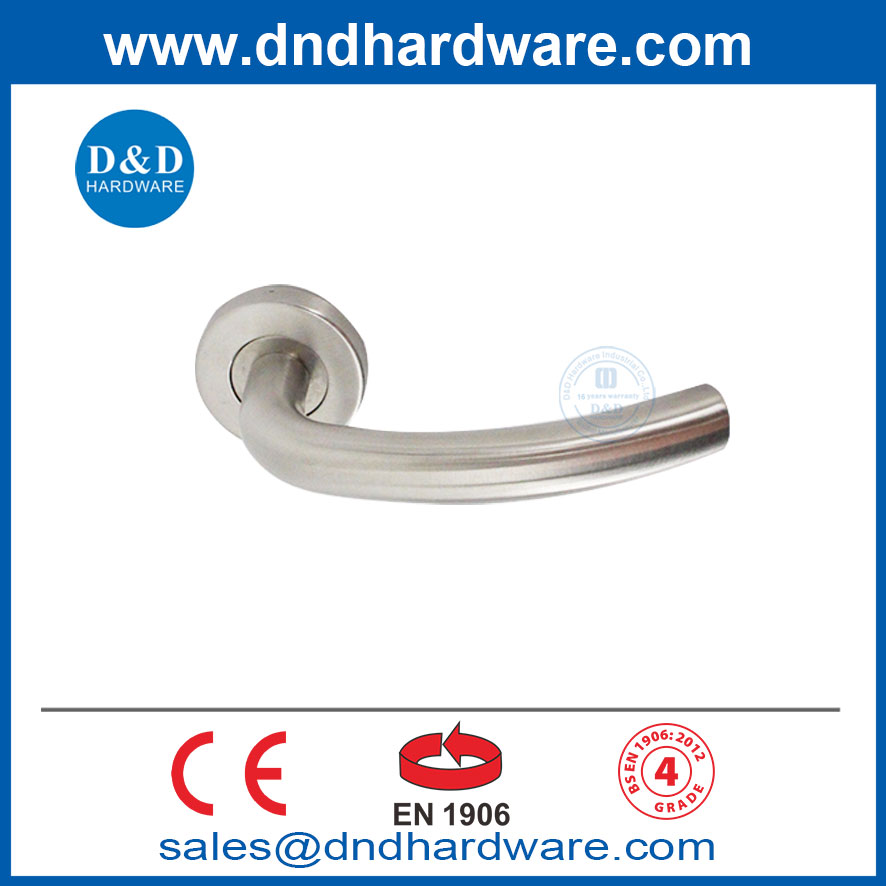
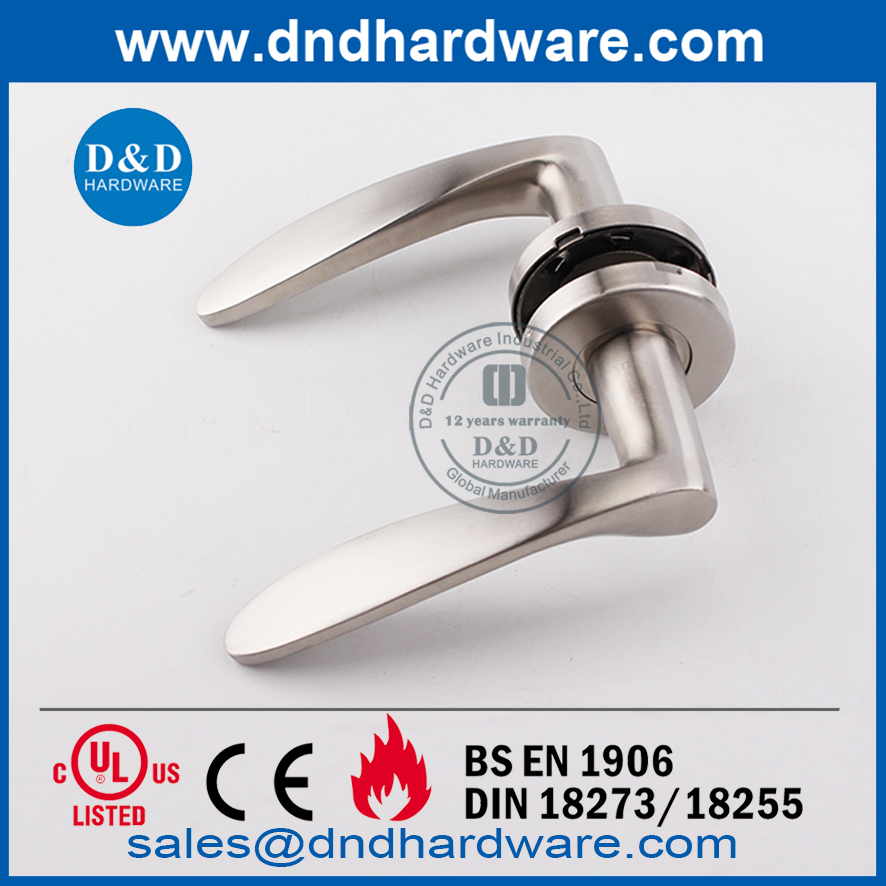
Fire rated door handles need to be made from strong stuff. These materials help the handle stay tough in a fire. Most fire rated hardware uses metals that do not melt or rust easily. The table below lists the main materials you find in fire rated handles and hardware:
Material | Description |
Stainless Steel | Used for fire rated door handles and hardware. It offers durability and resistance to rust. |
Ball Bearing Hinge | Maintains its shape and is UL Listed. It meets fire safety standards for rated doors. |
Panic Exit Device | Made of stainless steel. It lasts long and resists wear, making it good for fire rated doors. |
Stainless steel is special because it is very strong and does not burn fast. You can count on it to stay solid when it gets hot. Steel, like galvanized and stainless, gives you good fire safety. Sometimes, aluminum is used, but it is not as fire safe as steel.
Construction for Fire Resistance
How fire rated door hardware is built is important too. Makers use special steel that can take a lot of heat and does not rust. This helps the hardware work well in a fire. Engineers make each part to pass hard tests and meet strict rules. You will see marks like UL 10C, CE EN1634, and EN1935. These show the hardware is safe for 3-hour fire doors and is very strong.
Fire rated handles must fit the fire rated metal door and match its fire rating. The way they are built keeps the door barrier strong. Using certified fire rated hardware helps you follow the rules and stay safe. Good materials and strong building help the handle work right in a fire. This keeps people and things safe and helps fire safety in every building.
Tip: Always look for certified marks and standards before picking fire rated door handles or panic hardware.
Testing and Certification for Fire Rated Handles
Testing Procedures
You need to know how experts test fire rated handles. Testing checks if the handle can survive a real fire. The handle, lock, hinges, and exit device are tested together. They use a special oven for the test. The oven gets very hot, over 1,500 degrees Fahrenheit. The test lasts three hours for a 3-hour rating. The goal is to see if the door and hardware stay strong and stop fire.
Here is a table with the main steps in testing:
Testing Procedure | Description |
UL 10C | Positive Pressure Fire Tests of Door Assemblies |
Fire Exposure | Assembly is exposed to controlled fire conditions |
Temperature Curve | Follows a standardized time-temperature curve |
Integrity Check | Structural integrity is monitored throughout the test |
Flame Resistance | The door must remain in place and resist flame penetration for 3 hours |
You also need to think about temperature rise. Some handles must limit how much heat goes through the door. The International Building Code says the safe side cannot get more than 450 degrees hotter in 30 minutes. This keeps people safe from burns and helps them escape.
Maximum temperature rise ratings for handles are 250, 450, or 650 degrees Fahrenheit.
The 250-degree door keeps heat transfer to 250 degrees for 30 minutes.
Fire-rated door assemblies in exit areas must follow IBC rules.
Temperature-rise doors protect against flames, smoke, and heat.
Testing is very important for fire safety. You want to know your fire rated hardware will work in an emergency. Certified products are tested and you can trust them.
Certification Standards
You must look for the right certification marks on fire rated handles. These marks show the product passed tough tests. Certification means you can trust the product and follow the law.
Here are the main groups and their marks:
Organization | Certification Mark |
Intertek & Warrington | CE certification |
Underwriters Laboratories (UL) | UL certification |
American National Standards Institute (ANSI) & Builders Hardware Manufacturers Association (BHMA) | ANSI/BHMA certification |
CE Marking shows the product meets European safety rules.
UL Certification means the product passed fire tests in the United States.
ANSI/BHMA Certification checks for performance and strength.
You also need to know about important codes. Fire rated handles must follow rules like NFPA 80, NFPA 101, and UL 10B. These codes make sure handles are safe for fire rated metal doors. If you see these marks, you know the product is certified.
Certification is not just a sticker. It proves the product will stay strong in a fire. You protect people, property, and your building when you use certified hardware. Always check for these marks before you buy panic exit device or fire rated handles.
Tip: Only use certified fire rated door hardware to keep your building safe and legal.

Applications and Best Practices
Where to Use Fire Rated Door Hardware
3-hour fire rated door handles are used in projects where high fire separation performance is required. Below are common application areas.
Fire Walls and Fire Barriers
High-rating fire door assemblies may be used in fire walls or fire barriers to separate different building areas. The handle and lockset must be compatible with the required fire-rated assembly.
Stairwells and Exit Enclosures
Stairwell doors and exit enclosures help provide safe egress routes during an emergency. Fire rated handles must allow reliable operation while supporting the fire door’s closing and latching function.
Mechanical and Electrical Rooms
Mechanical rooms, electrical rooms and utility rooms may contain equipment that increases fire risk. Fire rated door hardware helps protect surrounding areas and maintain compartmentation.
Hospitals and Healthcare Buildings
Hospitals require reliable fire protection and safe egress. Fire rated handles are often used with mortise locks, door closers and other certified hardware in corridors, service rooms and protected areas.
Schools and Public Buildings
Schools, universities and public facilities require durable hardware for high-traffic doors. Fire rated handles must combine life safety, durability and code compliance.
Factories and Industrial Facilities
Factories, warehouses and industrial buildings may require fire-rated openings between production areas, storage rooms, machine rooms and escape routes. Stainless steel or heavy-duty hardware is often preferred.
Data Centers and Utility Areas
Data centers and utility rooms require controlled access, fire protection and reliable hardware performance. Fire rated handles may be selected with compatible locks, closers and access control hardware.

Selection, Installation, and Maintenance
You must use good steps when picking, putting in, and taking care of fire rated door handles. Here is a simple checklist for places with high fire risk:
Pick hardware with the right fire rating for your door.
Make sure performance ratings fit fire conditions.
Find clear labels with installation and performance details.
Follow all instructions from the maker and codes.
Check and care for hardware often.
Test and check handles to make sure they work.
Keep up with new standards and best practices.
Regular checks help fire rated doors work well. The table below shows how often you should check fire rated door handles:
Building Type | Inspection Frequency |
Top storey above 11 metres | Every 3 months |
Flat entrance fire doors | Annually |
High-occupancy properties | Every 6 months |
High-traffic areas | Monthly (weekly recommended) |
Damage to fire doors | Immediate inspection |
You may see problems like doors not lining up, broken seals, or hardware that does not work. Fix these problems right away. Tighten loose hinges and put in missing screws. Test door closers often. Do not use parts that are not approved or make changes that hurt fire safety. Always use certified hardware to keep your building safe.
Tip: Get a certified inspector every three years for quality checks.
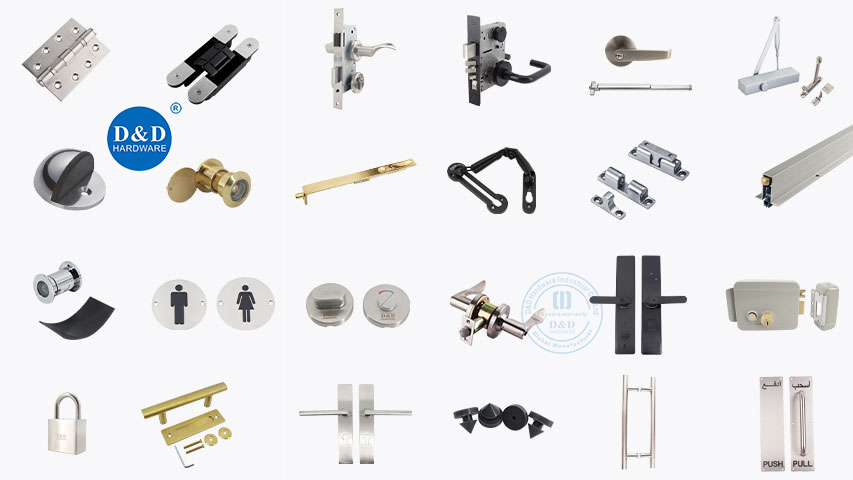
D&D Hardware Fire Rated Door Handle Solutions
D&D Hardware supplies fire rated door handles and complete architectural door hardware solutions for commercial, institutional and fire-rated door projects.
Our fire door hardware solutions can be matched with:
For 3-hour fire-rated door projects, our team can help buyers review the door type, hardware set, certification requirement, finish, quantity and project schedule before recommending suitable products.
Whether you are a door manufacturer, distributor, contractor, project buyer or architectural hardware supplier, D&D Hardware can support complete door opening solutions for fire-rated and commercial door applications.
Contact us to request a fire rated door handle catalog, certification information, technical drawings or a complete project quotation.
FAQ
What is a 3-hour fire rated door handle?
A 3-hour fire rated door handle usually refers to a handle, lever trim or lockset component suitable for use on a 3-hour fire-rated door assembly. The complete door assembly, not the handle alone, must be tested, listed and installed according to the applicable standard.
Can a door handle make a door fire-rated?
No. A door handle alone cannot make a door fire-rated. Fire rating depends on the complete door assembly, including the door leaf, frame, hinges, latch or lock, closer, seals and approved hardware.
What materials are used for fire rated door handles?
Common materials include stainless steel 304, stainless steel 316, steel, brass and other approved metals. The material must be suitable for the fire-rated hardware application and project environment.
What standards apply to fire rated door handles?
Relevant standards may include UL 10C, UL 10B, NFPA 80, NFPA 101, EN 1634-1, EN 1906, BS 476 and ANSI/BHMA standards, depending on the project location and specification.
Where are 3-hour fire rated door handles used?
They are used on high-rating fire door assemblies in locations such as fire walls, stairwells, mechanical rooms, industrial buildings, hospitals, schools, data centers and high-risk commercial areas.
Can fire rated handles be used on wooden fire doors?
Yes, fire rated handles can be used on wooden fire doors if they are compatible with the specific fire-rated door assembly and installed according to the listing, manufacturer’s instructions and project requirements.
What information should I provide when requesting a quotation?
Provide the door rating, door material, handle type, lock type, required standard, finish, quantity, destination country and project door schedule if available. This helps the supplier recommend suitable fire rated door hardware.
Conclusion
3-hour fire rated door handles play an important role in commercial and industrial fire-rated door projects, but they must be understood as part of a complete fire-rated door assembly. The handle, lock, latch, hinges, closer, seals, door leaf and frame must work together to support the required fire performance.
When selecting fire rated door handles, buyers should confirm the door rating, door material, required standard, certification documents, lock compatibility, finish, environment and project specification. Correct selection, installation and maintenance help support fire safety, code compliance and long-term performance.
If you need 3-hour fire rated door handles or a complete fire rated door hardware solution, D&D Hardware can help you select suitable products for commercial buildings, hospitals, schools, factories, stairwells, mechanical rooms and other fire-rated door applications.

Contact us Now:
Contact: David Jian
Mob:0086-139 2903 7292
Email: David@dndhardware.com, sales@dndhardware.com,
Contact: Jobby Zhang
Mob:0086-137 2599 9617
Email: jobby@dndhardware.com
D&D HARDWARE INDUSTRIAL CO.,LTD
ADD:12th Floor, Building 2, No.898, KeChuang Technical Zone, Jiangmen Avenue, Pengjiang District, Jiangmen City, Guangdong, China (Postcode:529000)
https://www.dndhardware.com
Tel: +86-750-3856396
Fax: +86-750-3856395


 English