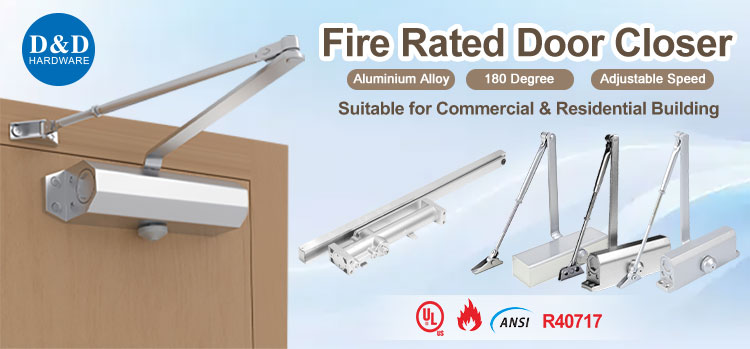
What Is a Door Closer?
A door closer is a mechanical device designed to automatically close a door after it has been opened. It ensures safe, smooth, and controlled door movement without relying on the user to shut the door manually. Door closers are essential components in modern residential, commercial, and industrial buildings. They improve safety, enhance fire protection, maintain indoor climate stability, and promote secure and efficient building operations.
Door closers operate using hydraulic or spring-based mechanisms. When the door opens, energy is stored in the closer’s internal spring system; when released, the hydraulic fluid regulates the closing speed and ensures the door returns to its closed position gently and safely. Many closers are equipped with adjustable features such as closing speed, latching speed, backcheck, delayed action, and hold-open functions to suit different door types and building needs.
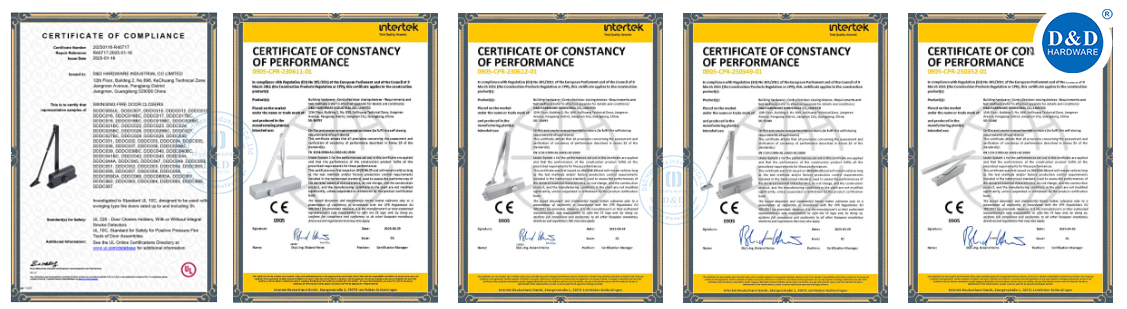
Beyond convenience, door closers play a crucial role in fire protection. On fire-rated doors, they ensure the door closes and latches completely, helping prevent the spread of smoke and flames during emergencies. Certified door closers, such as CE EN1154/EN1634 in Europe and UL Listed in the U.S., meet strict testing standards for durability, fire resistance, and safety performance.
Door closers come in a wide variety of types to accommodate different door sizes, materials, architectural designs, and environments. Choosing the appropriate closer ensures proper operation, compliance with safety codes, and long-term durability.
Below are the main types of door closers used in modern building applications.
1. Surface-Mounted Door Closers
Surface-mounted door closers are the most common and widely used type. They are installed on the surface of the door or the frame and are visible when the door is closed. Because they are easy to install, cost-effective, and highly versatile, they are the preferred choice for schools, offices, homes, commercial buildings, and public facilities.
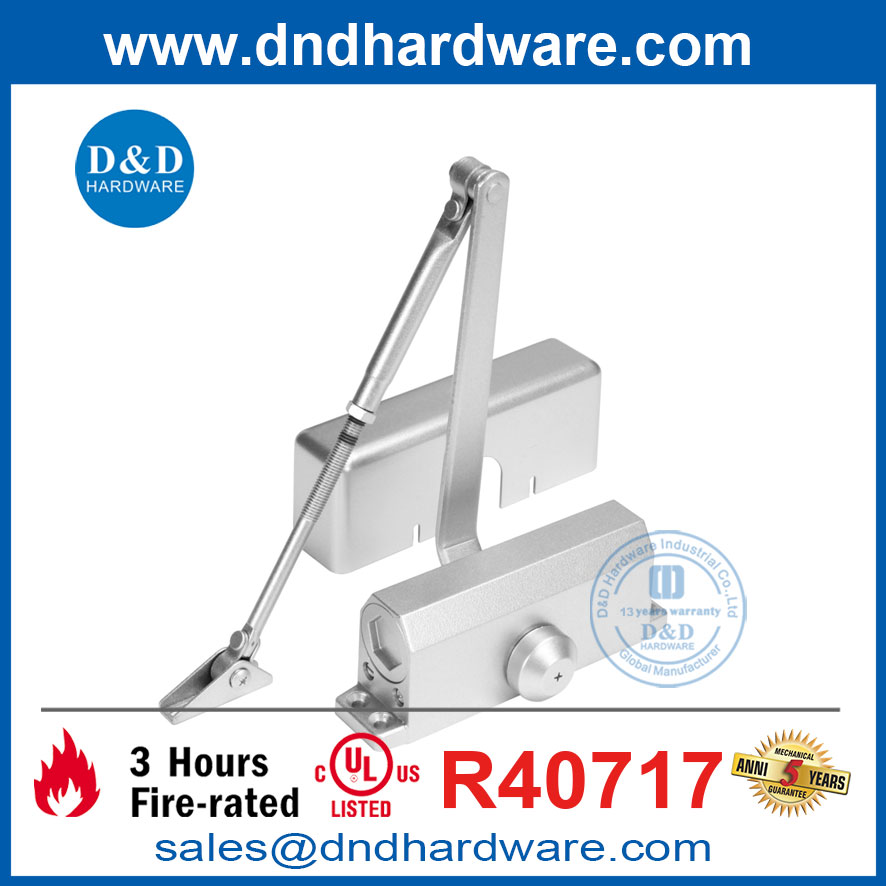
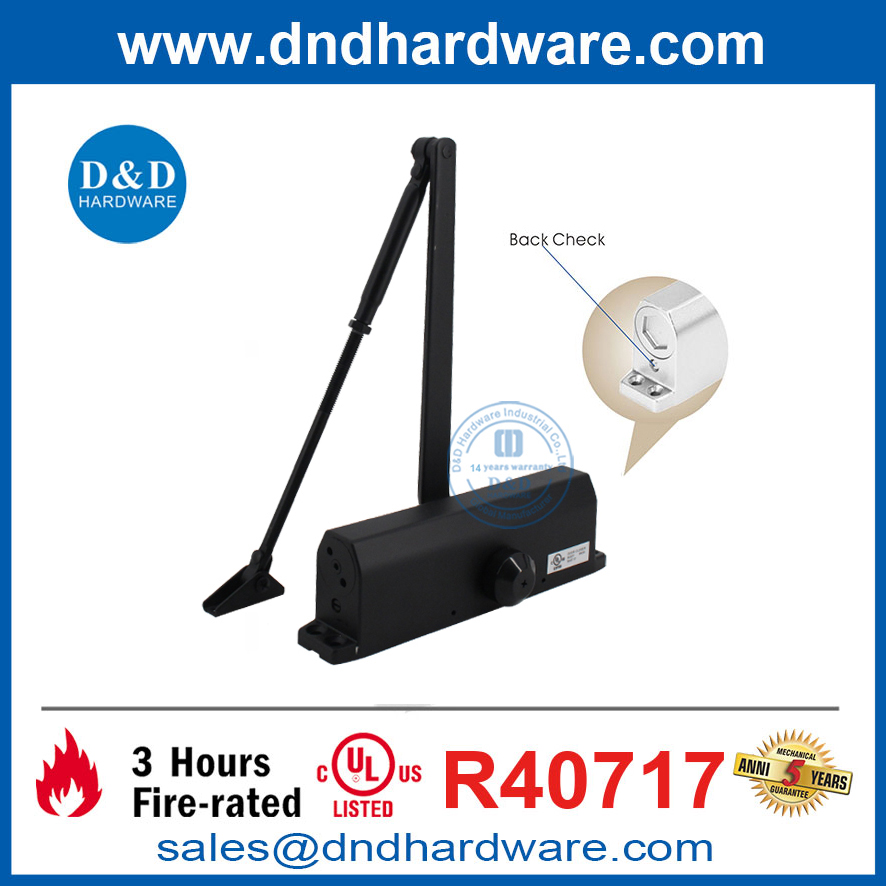
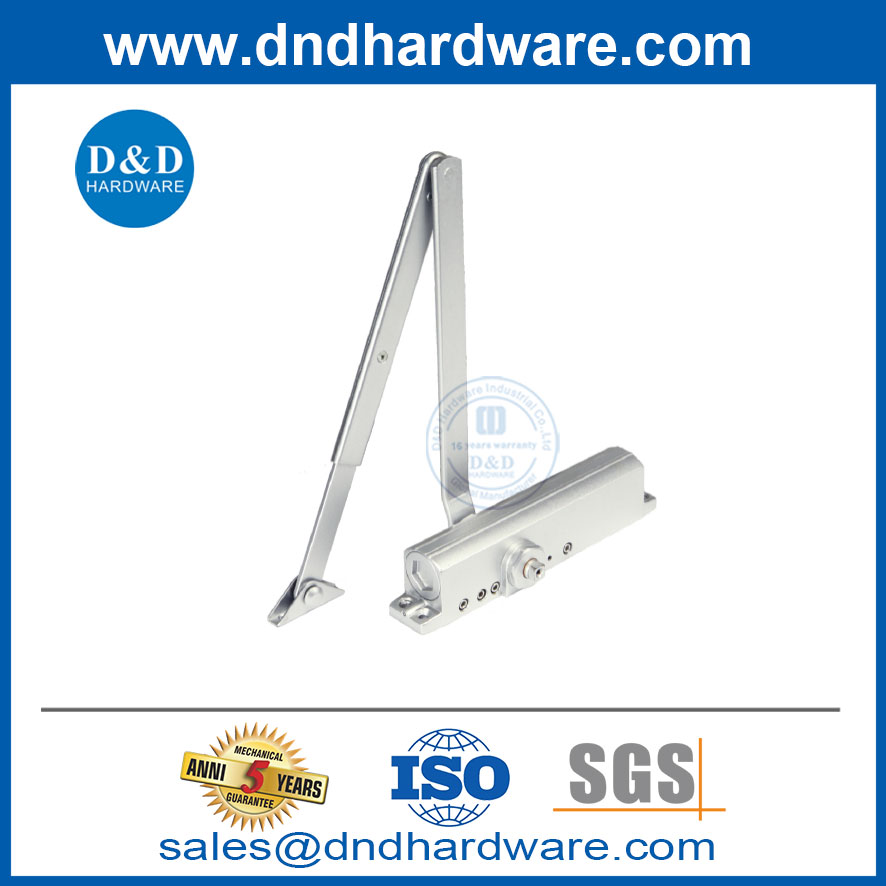
Main Variants:
a. Regular Arm Door Closer
Mounted on the pull side of the door, with a projecting arm.
b. Parallel Arm Door Closer
Mounted on the push side of the door; the arm sits nearly flush with the door.
-More aesthetically pleasing
-Harder to tamper with
-Common in schools, hospitals, and corridors
c. Top Jamb Door Closer
Mounted on the push side, but attached to the frame’s head.
Surface-mounted closers can include features like backcheck, delayed action, hold-open (non-fire doors), and multi-speed adjustments.

2. Concealed Door Closers
Concealed door closers are designed to be hidden inside the door, frame, or floor. They offer improved aesthetics, reduced risk of vandalism, and seamless architectural integration.
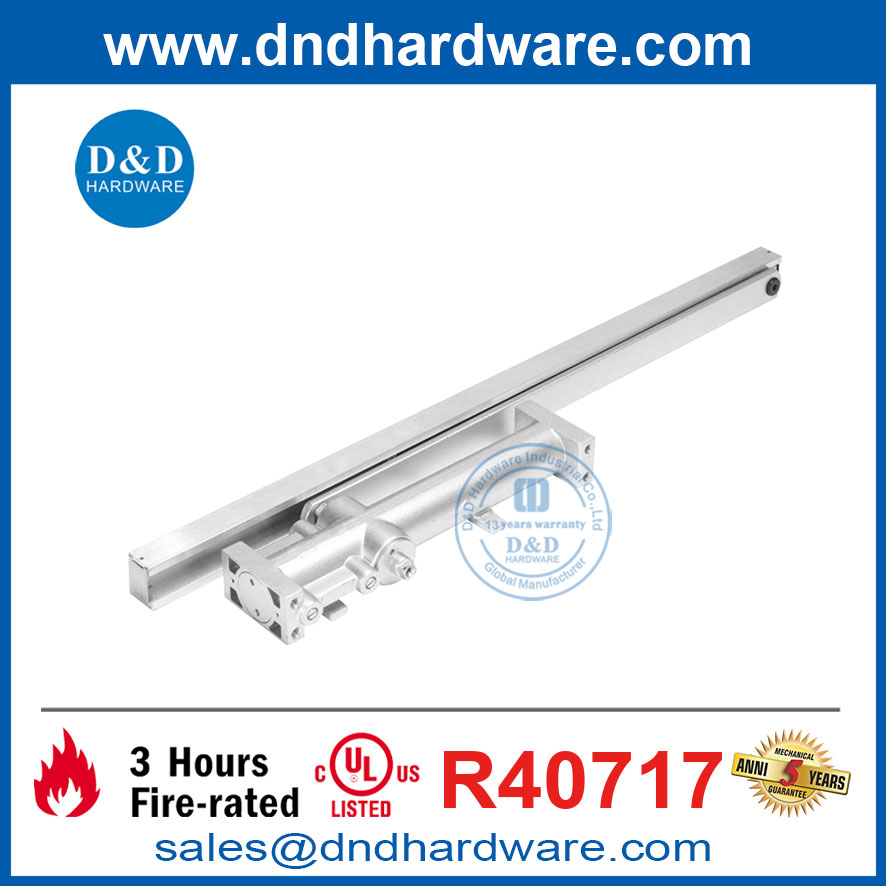
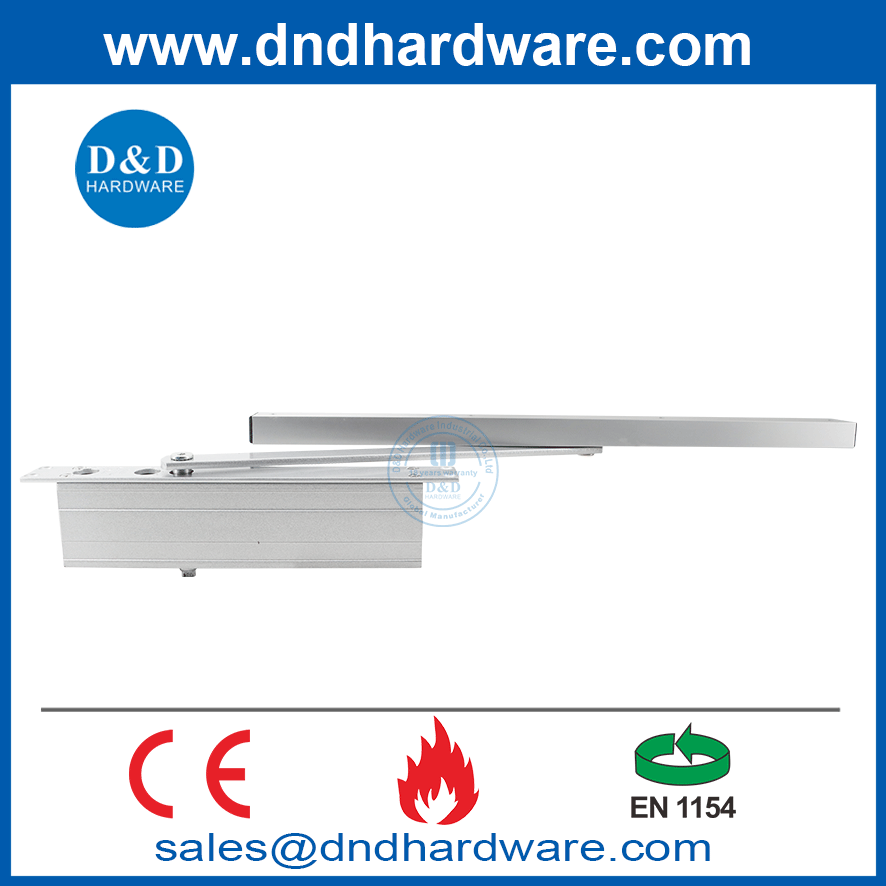
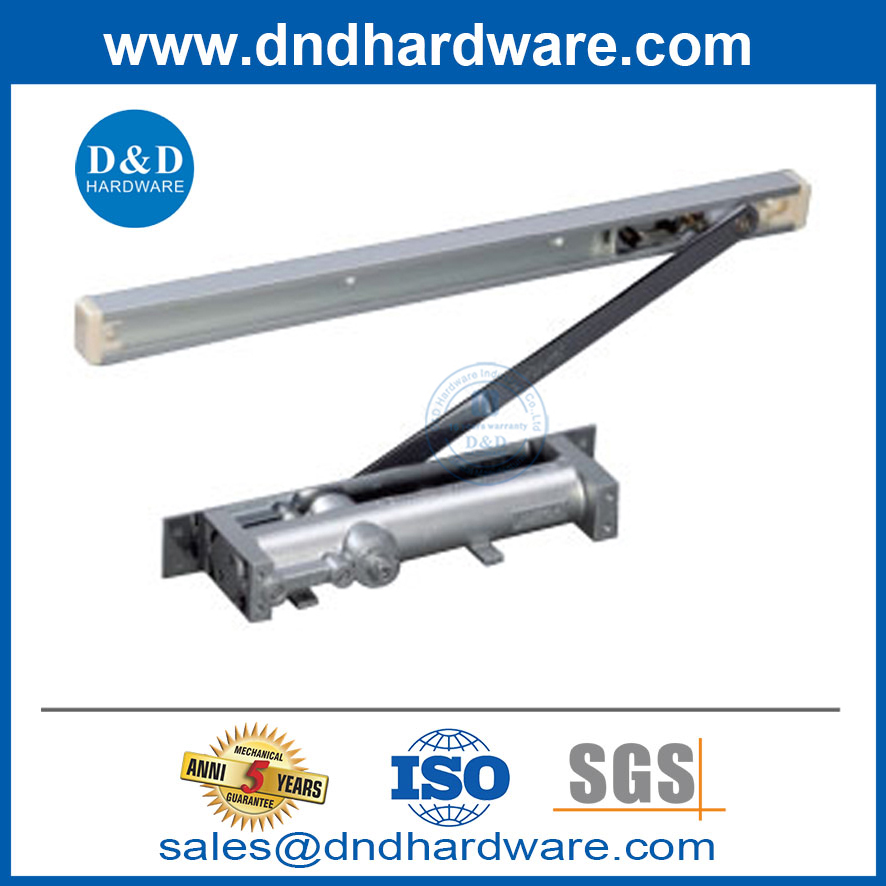
a. Concealed Overhead Door Closer
Built into the top of the door or frame.
-Invisible when door is closed
-Reduces noise and enhances appearance
-Ideal for high-end interiors, offices, and hotels
b. Concealed In-Frame / In-Door Closers
Compact closers hidden within slim profiles.
Concealed closers are highly popular in premium architectural projects where design aesthetics are critical.
3. Floor Spring Door Closers
Floor springs are a type of concealed door closer built into the floor, commonly used for glass doors, pivot doors, and heavy commercial entrances. They allow the door to swing both directions (double-acting).
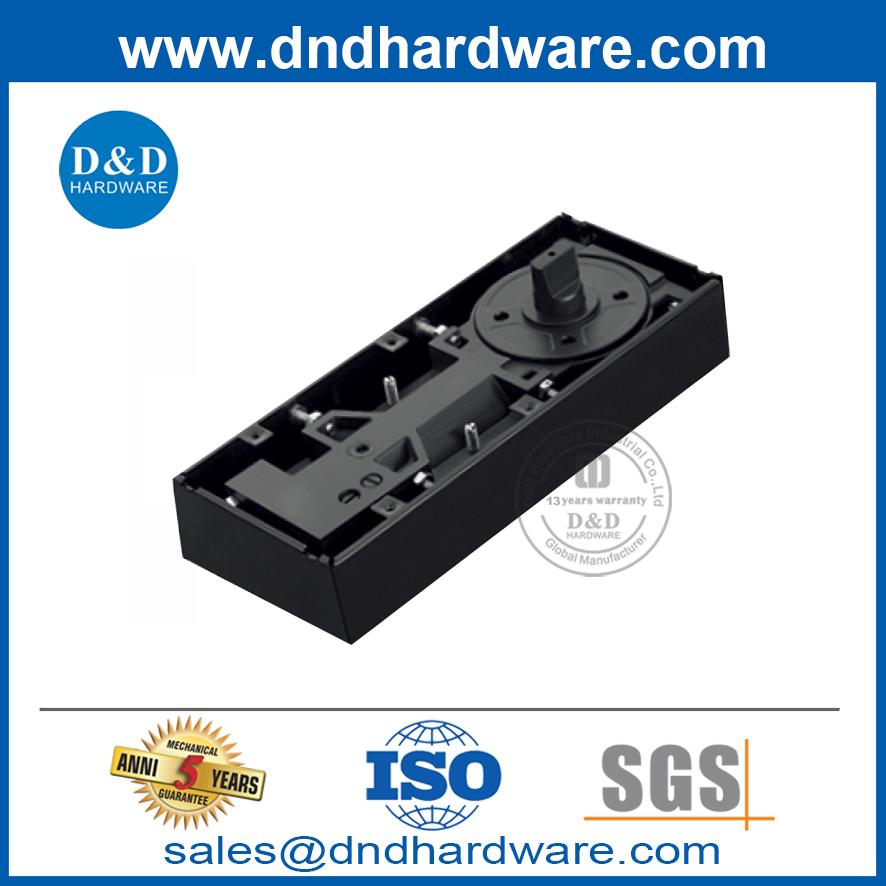
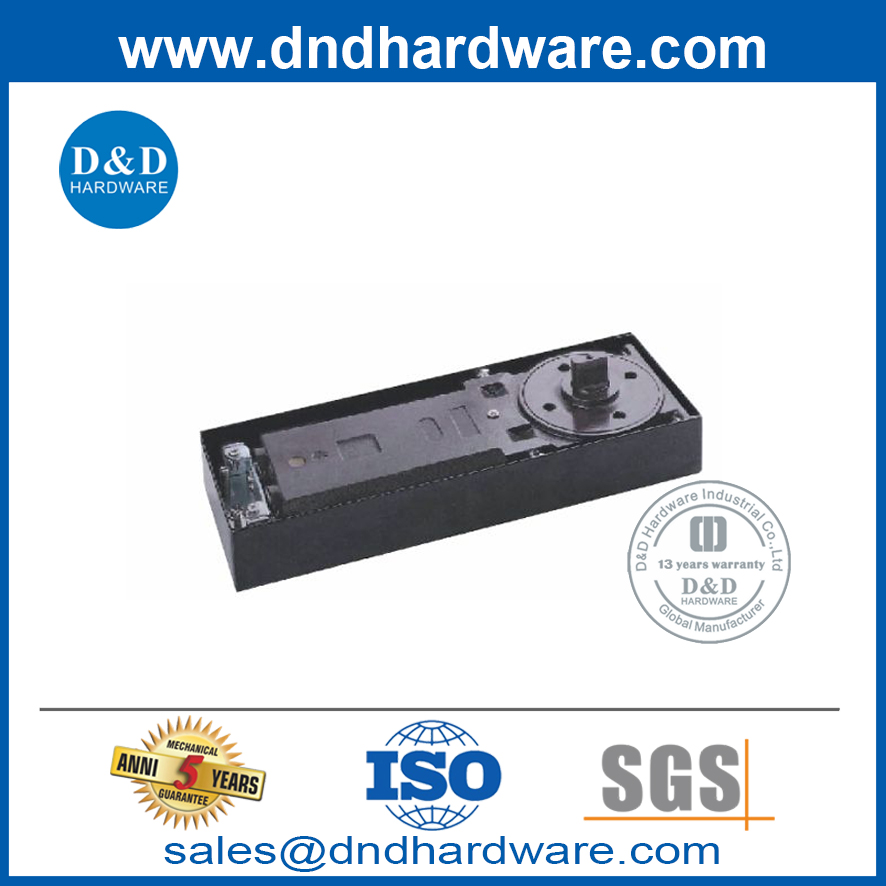
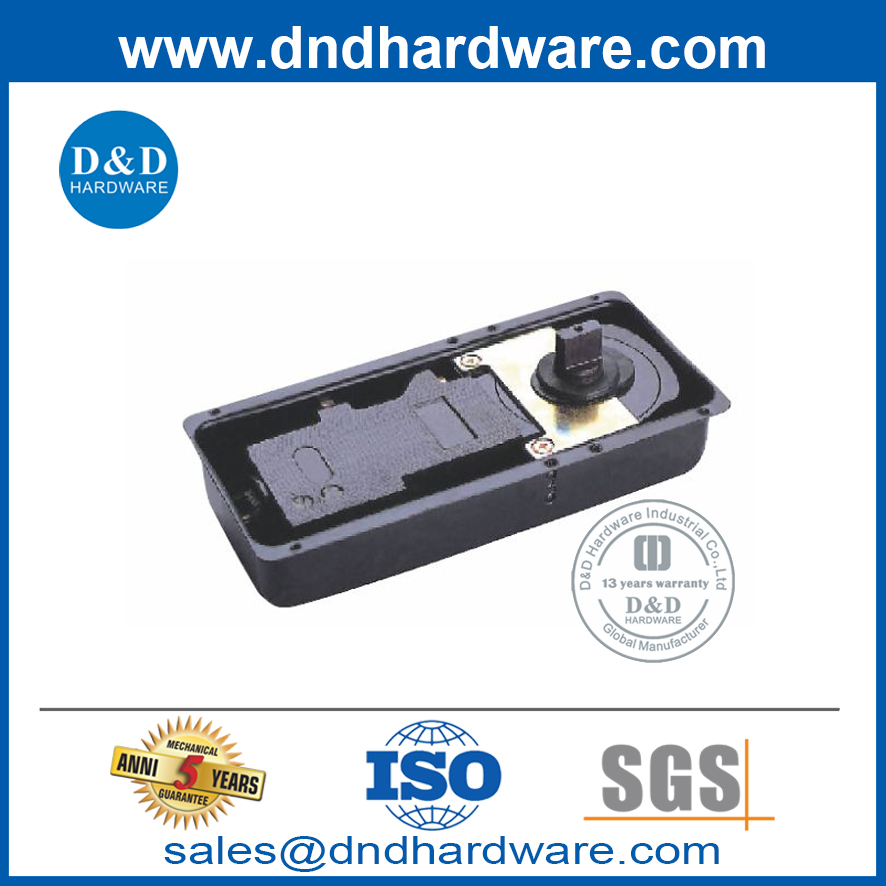
Characteristics:
-Capable of supporting very heavy doors (glass, metal, oversized panels)
-Provide smooth, controlled closing
-Ideal for glass storefronts, office entrances, banks, malls, hotels
-Many include hold-open or non-hold-open variants
-Require professional installation
Floor springs offer both functional strength and an unobtrusive appearance.
4. Transom-Mounted / Overhead Concealed Closers (OHC)
These closers are installed in the transom area above the door, commonly used for aluminum or glass storefront doors.
Features:
-Completely concealed in the top frame
-Work with pivot hinges
-Excellent for narrow-frame commercial entrances
-Provide two-way swing capability
They maintain the clean appearance of the entrance while delivering strong performance for high-traffic buildings.
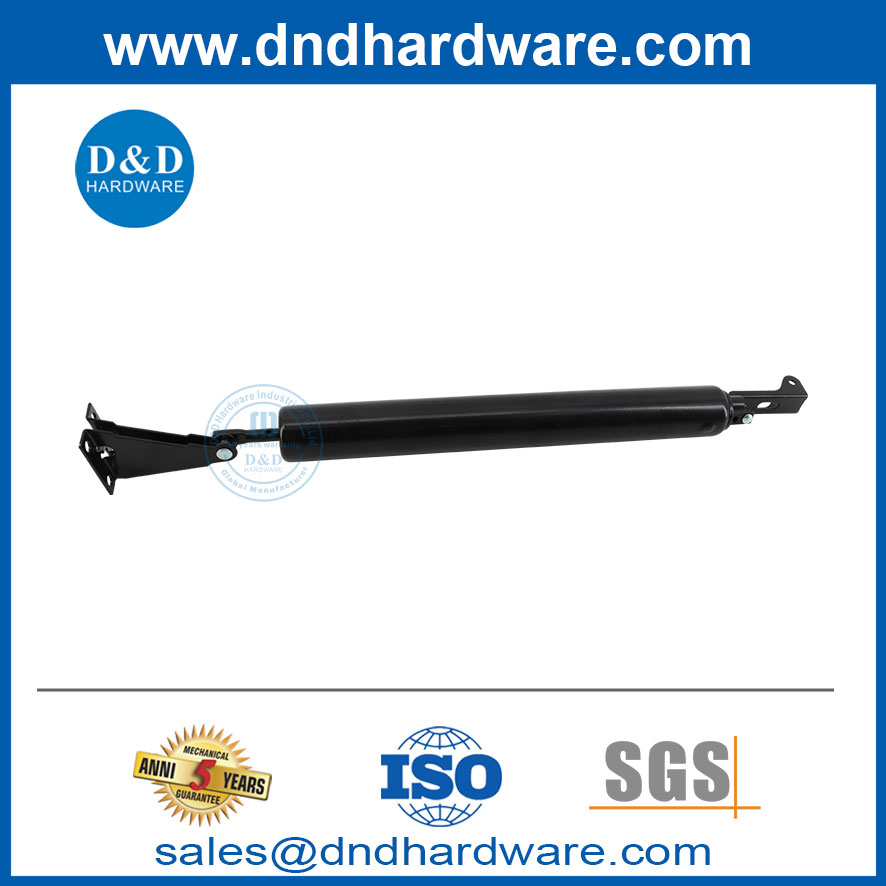
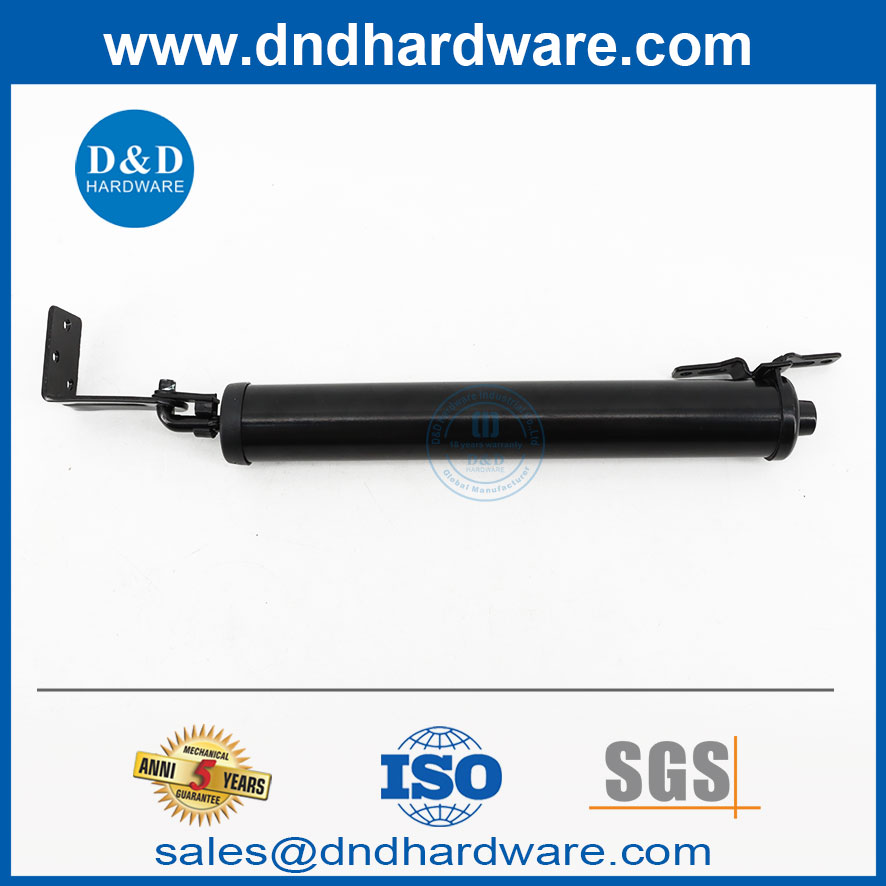
5. Hydraulic Surface-Mounted Storm Door Closers
Used mainly for residential screen doors, storm doors, and light exterior doors.
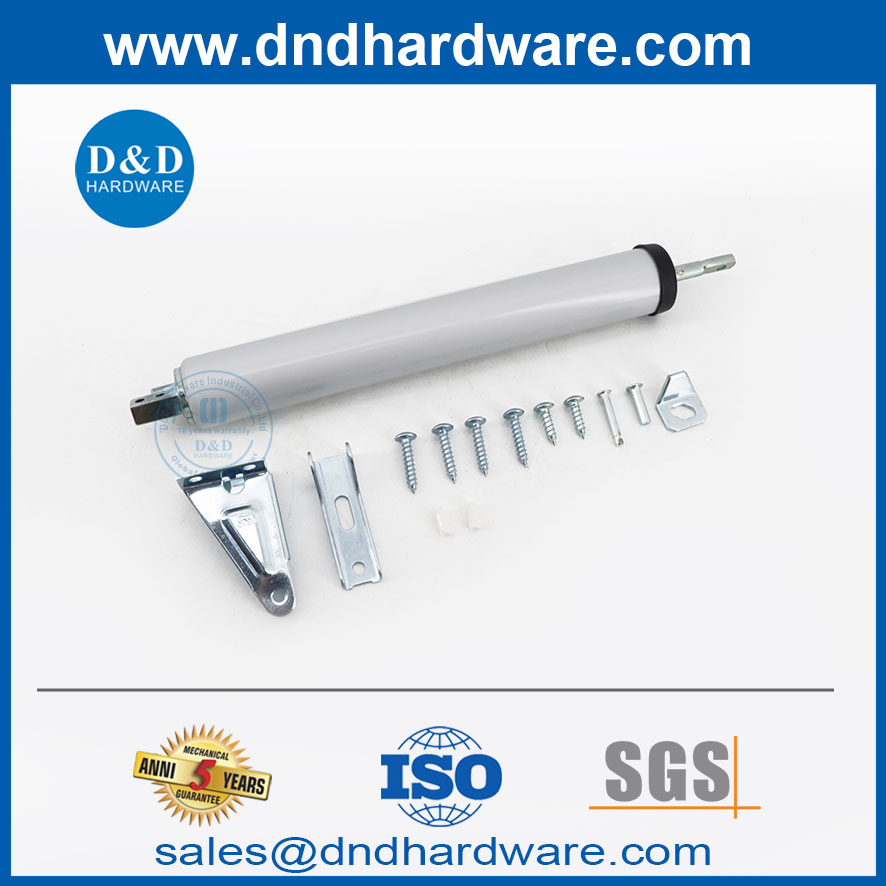
Features:
While not suitable for commercial fire doors, they are effective for household applications.
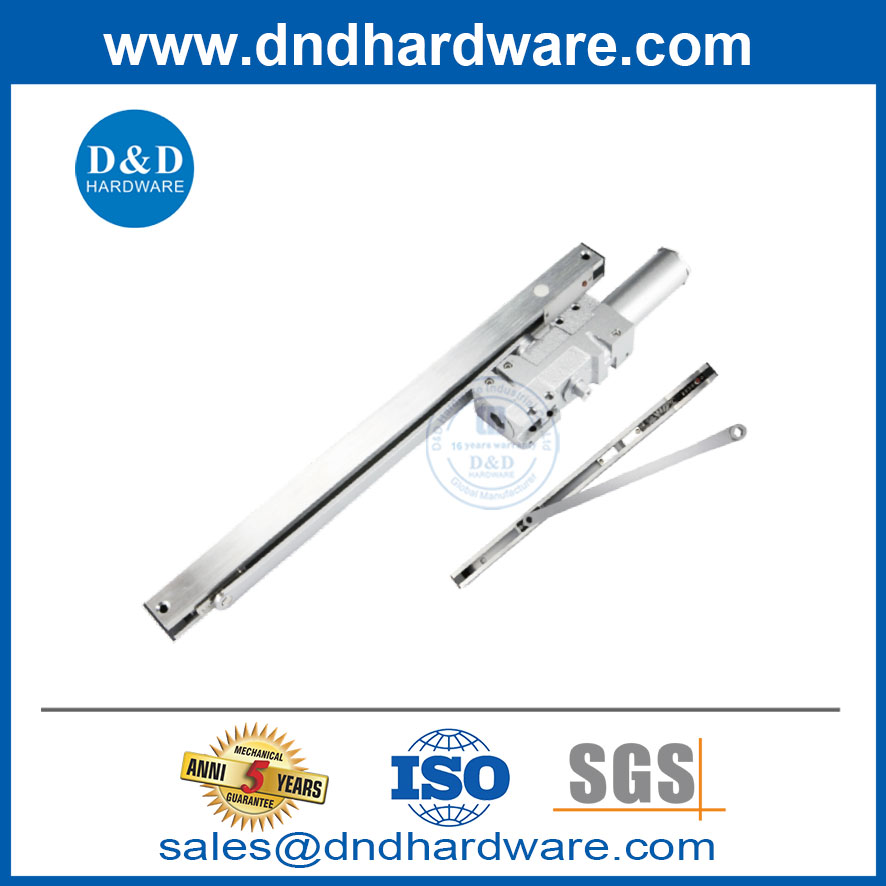
6. Electromagnetic Door Closers (Non-Traditional Mechanism)
These are not “smart” closers but traditional closers combined with electromagnetic components.
They are used in fire-rated doors and connected to fire alarm systems.
Two Main Types:
Applications:
When an alarm triggers, the magnet releases and the door closes automatically.
7. Overhead Stop Arms / Specialty Closers
Some doors use special closer systems integrated with overhead stops or pivots, especially in historic buildings or custom architectural designs.
Used When:

How to Choose the Right Type of Door Closer
Choosing the correct door closer depends on several factors:
1. Door Weight and Size
Heavier doors require higher power sizes (EN4–EN7).
2. Fire Rating Requirements
Fire doors must use CE EN1154/EN1634 or UL Listed fire-rated closers.
D&D Fire Rated Door Closer, Click to https://www.dndhardware.com/certificates.html
CE Door Closer - BS EN1154 500,000 cycles test, EN1634 Fire Rated 120/180mins, EN1670 Corrosion Resistance 96 hours.
UL Door Closer - UL Listed, UL 10C Fire Rated 3 Hours, UL File No.R40717
3. Usage Environment
4. Aesthetic Preferences
Concealed closers or floor springs are preferred for modern, minimalist interiors.
5. Installation Constraints
Some doors cannot accept surface-mounted hardware due to design limitations.
6. Budget vs. Performance
Surface-mounted closers are cost-effective; concealed systems cost more but offer premium aesthetics.
More heavy duty door closers, click here.
Contact us Now: Contact: David Jian
Mob:0086-139 2903 7292
Email: David@dndhardware.com, sales@dndhardware.com,
Jobby Zhang
Mob:0086-137 2599 9617
Email: jobby@dndhardware.com
D&D HARDWARE INDUSTRIAL CO.,LTD
ADD:12th Floor, Building 2, No.898, KeChuang Technical Zone, Jiangmen Avenue, Pengjiang District, Jiangmen City, Guangdong, China (Postcode:529000)
https://www.dndhardware.com
Tel: +86-750-3856396
Fax: +86-750-3856395


 English