At handover, an inspector may have an installed exit device, a door schedule and a folder of product sheets that do not clearly identify the same model. That is when labels and markings become useful: they connect a physical item to the certification record and the approved submittal. For UL listed fire rated commercial door hardware, we recommend checking the product in this order: physical identification, model and configuration, certification record, then installation documents.
Read the installed product first
Look for the applicable UL certification mark and the product identity required for that hardware category. Marking can appear on a label, directly on the product or in another location permitted by its certification program. Its format is not identical across hinges, locks, closers and exit devices. UL’s application guide and the category guide information explain the marking requirements for each category; do not demand that every product carry the same wording as a fire door leaf label.
Photograph the marking where it can be seen, including its location on the installed item. Record the manufacturer and any model, series or identifier that can be read. If a finish, size, handing, latch configuration or mounting option distinguishes the supplied version, capture that detail in the inspection record too. A packaging label can assist identification, but it should not replace a required product marking.

What the UL Mark does and does not show
A UL Listed, Classified or Certified mark identifies a product within a UL Solutions certification program. “Certified” is a broad term; the product category and the associated record explain its evaluated use. Many marks include a unique identifier or file number, and some show product identity next to the mark. A logo photograph on its own does not tell you which model was shipped or whether the item suits a fire rated opening.
Do not infer a three hour rating from a UL symbol or from “UL 10C” in a catalog heading. Where a rating or use limitation matters, find it in the applicable certification and assembly documentation. If the physical mark is missing or unreadable where one is required, resolve the discrepancy against the category’s marking rules and the manufacturer’s documentation before accepting the item.
Match the label to the submittal
For each scheduled item, keep one clear chain of evidence: installed marking and model → approved data sheet and drawing → current UL certification record → installation instructions. UL Product iQ allows searches by file number, model, company or product category. Compare the certification holder, product category, covered models and application with the item in front of you. A file number is a useful search key, but its presence on a sheet does not extend certification to an unlisted variant.
The submittal should identify the exact model and function, relevant fire rating, applicable UL standard, file reference, installation details and door or frame preparation. Keep dated copies or references to the records used at approval so a later inspector can understand what was reviewed. A general certificate attached to an entire hardware catalog leaves the model-to-opening connection unclear.
Check exit device wording carefully
Panic hardware and fire exit hardware can look alike. UL’s door hardware guide distinguishes the Fire Exit Hardware label, intended for fire door assemblies, from the Panic Hardware label, intended for non-rated exit doors. Fire exit hardware is investigated to UL 305 and UL 10C; a UL 305 panic hardware marking alone does not demonstrate that the device is suitable for a rated door. Read the actual product category and label before approving an exit device substitution.

D&D file references for document review
As a fire door hardware manufacturer, we can provide model-specific drawings and certification references for our applicable commercial hardware. Use these file numbers to start the record search, then confirm the selected model and current scope:
Product | Stated certification | File |
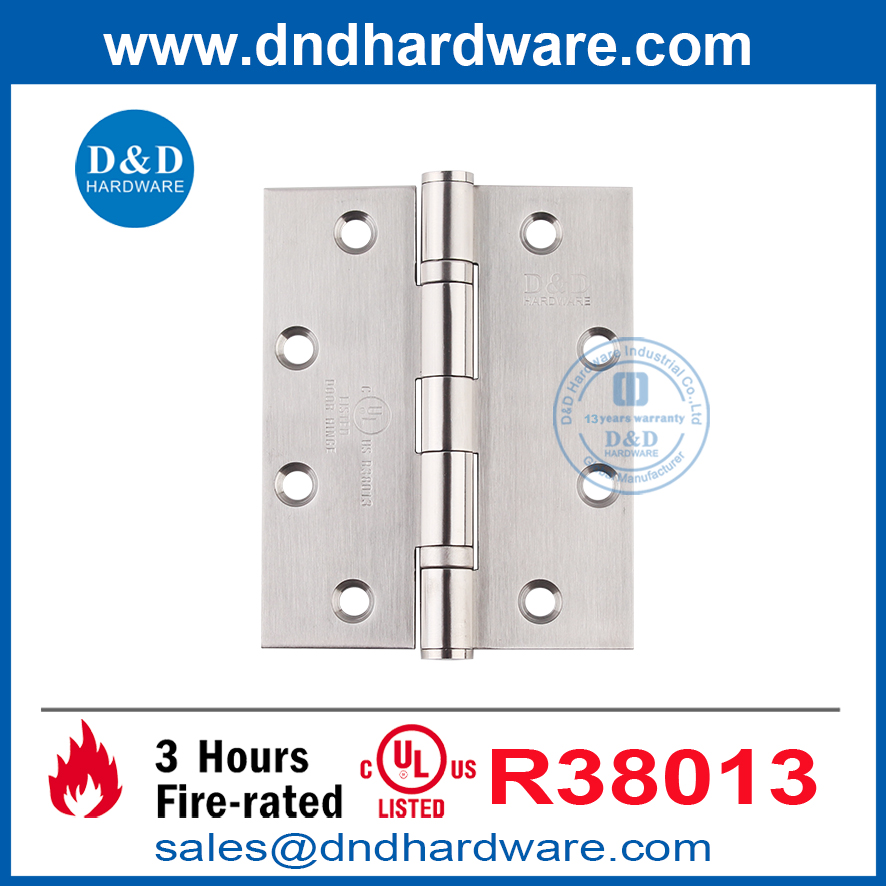
Door hinge | UL/cUL UL 10C, 3 hours; ANSI/BHMA Grade 1 or 2 | R38013 |
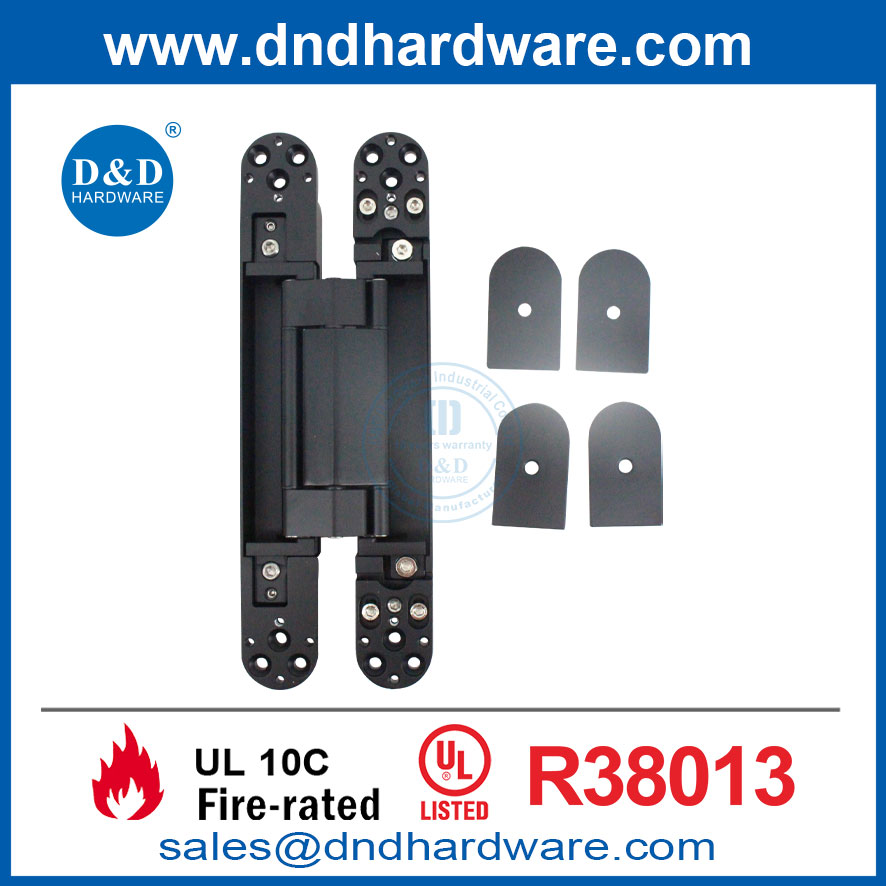
Concealed hinge | UL 10C fire rated | R38013 |
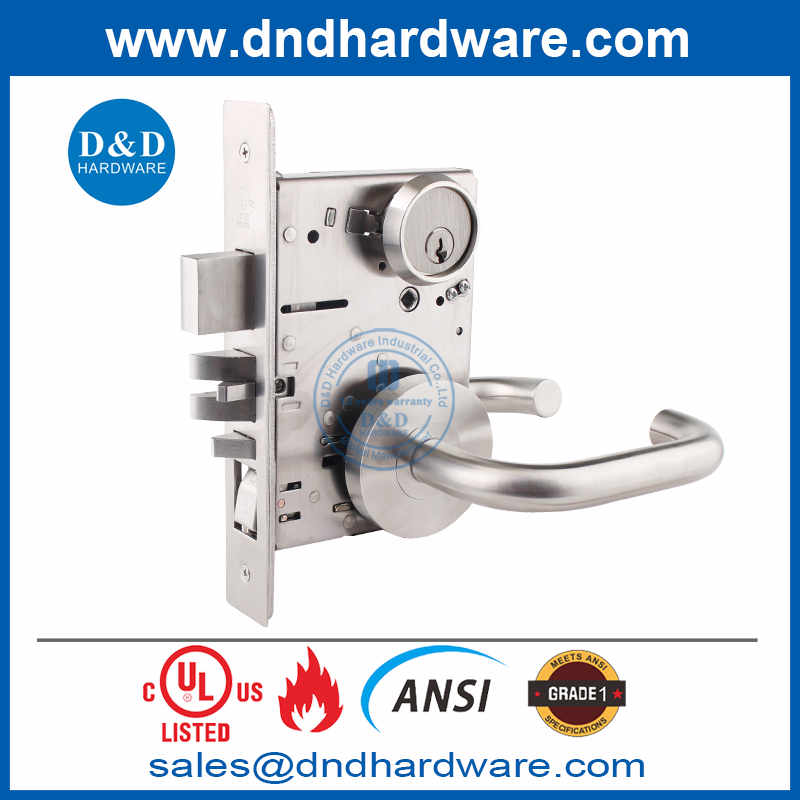
Door lock | UL 10C, 3 hours | R40901 |
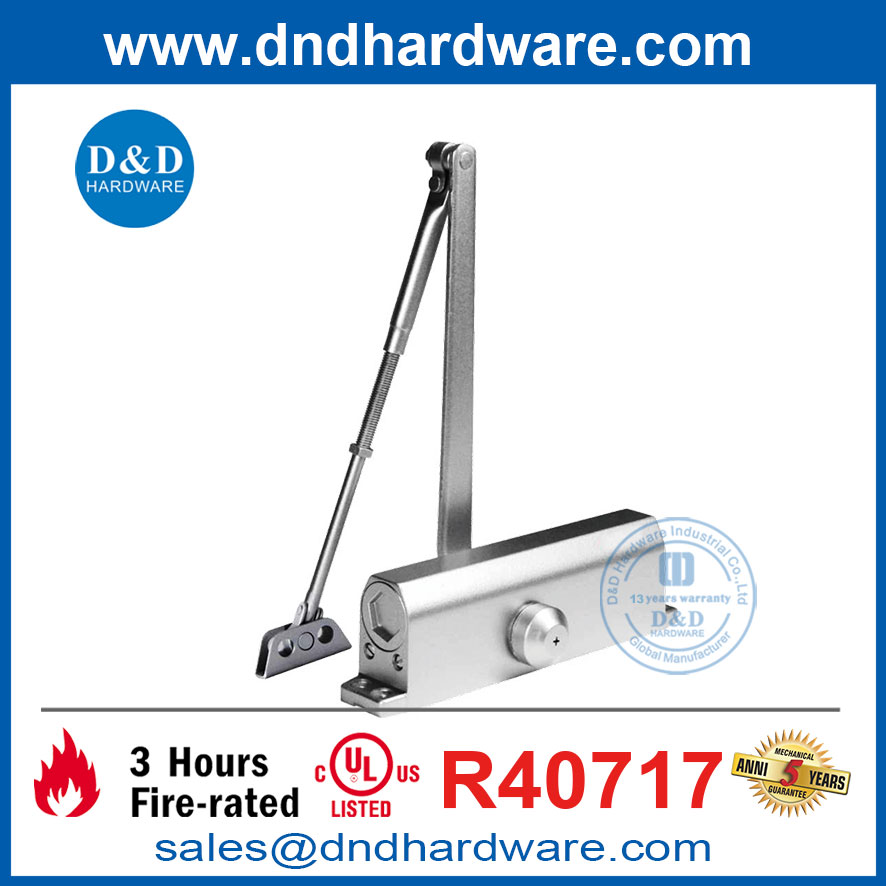
Door closer | UL 10C, 3 hours | R40717 |
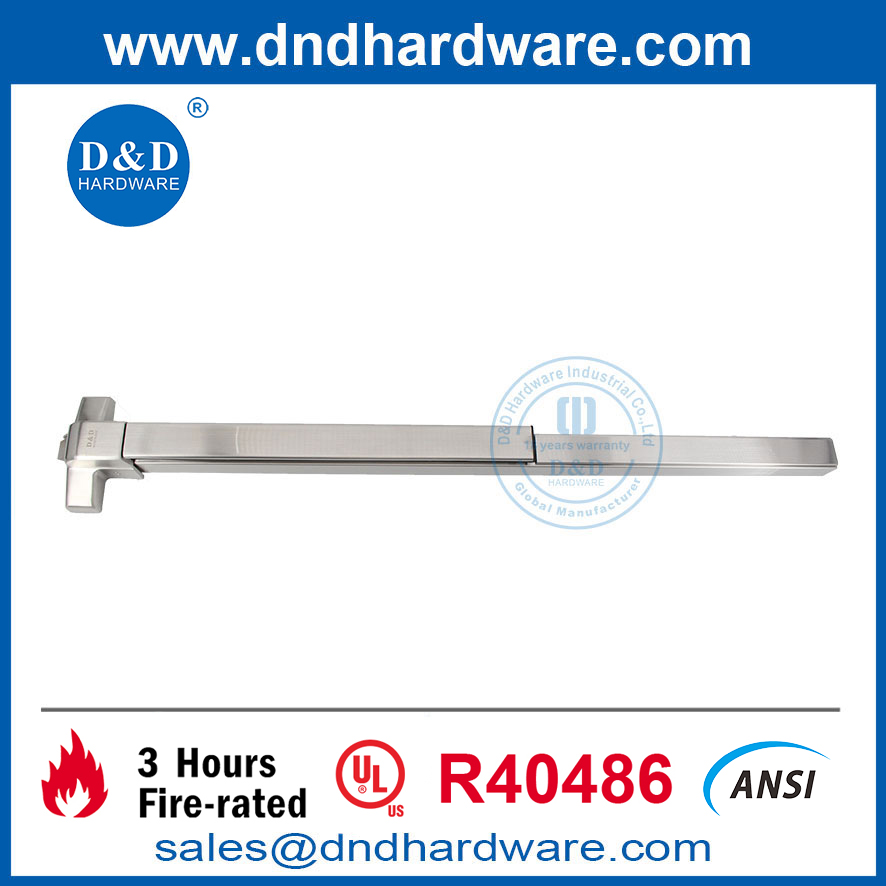
Fire exit hardware | UL 10C, 3 hours; confirm applicable UL 305 coverage | R40486 |
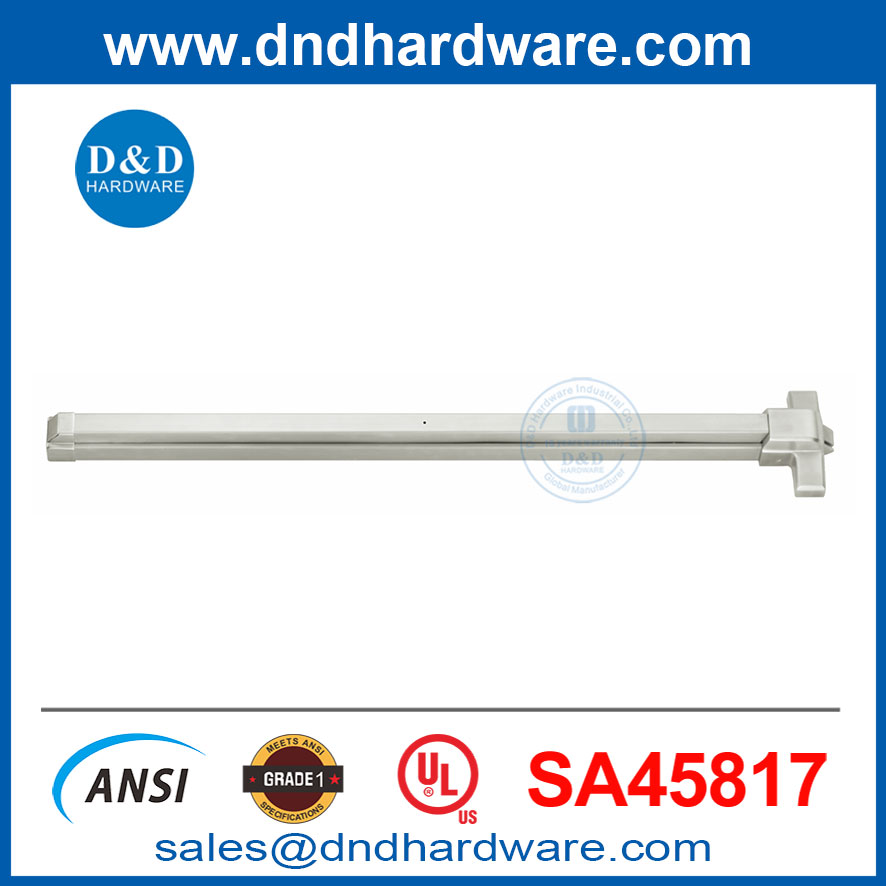
Panic hardware | UL 305 | SA45817 |
The ANSI/BHMA hinge grade is a separate performance claim. It should be supported by the appropriate product documentation rather than treated as part of the UL fire rating.
A practical handover record
Keep the approved door and hardware schedule, a model-specific data sheet, current certification details, installation instructions and photographs of required markings together by opening. During inspection, compare the installed model and mounting with the approved set. If a product was changed after approval, document the new model and verify it separately. This record helps with replacements and future maintenance as well as initial acceptance.

Frequently asked questions
Does every UL fire door hardware label look the same?
No. The required wording and location depend on the product category and certification program. Check the applicable UL category guidance for the item.
Is a catalog claim of “UL approved” enough?
No. Ask us for the exact model, its UL file reference and relevant certification information, then compare those details with the supplied product.
What if the mark is hidden after installation?
Document its location and photograph it before it becomes inaccessible where practical. An inspector should follow the applicable category and project inspection requirements.
Does UL 305 on an exit device mean it is fire exit hardware?
No. Look for the appropriate Fire Exit Hardware certification and confirm the model’s UL 10C and UL 305 scope for the rated application.
Which document best establishes the certified models?
Use the current UL certification record and its category guide information, matched to the model and configuration. A data sheet and installation instructions provide the additional product and mounting detail.
Contact us Now:
Contact: David Jian
Mob:0086-139 2903 7292
Email: David@dndhardware.com, sales@dndhardware.com,
Contact: Jobby Zhang
Mob:0086-137 2599 9617
Email: jobby@dndhardware.com
D&D HARDWARE INDUSTRIAL CO.,LTD
ADD:12th Floor, Building 2, No.898, KeChuang Technical Zone, Jiangmen Avenue, Pengjiang District, Jiangmen City, Guangdong, China (Postcode:529000)
https://www.dndhardware.com
Tel: +86-750-3856396
Fax: +86-750-3856395


 English