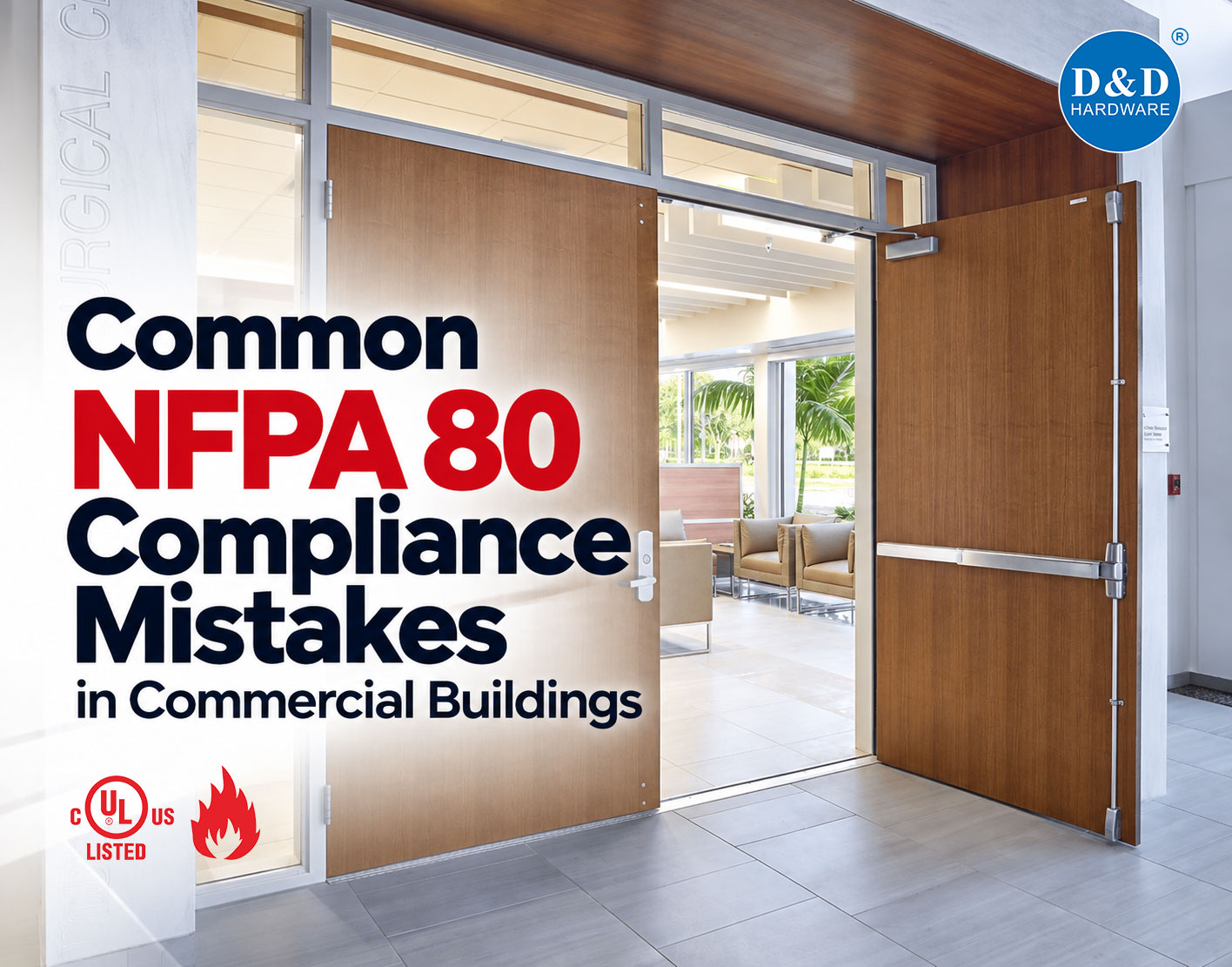
A fire door may have the correct label and still fail to protect its opening. The problem is often introduced after the door leaves the factory: the wrong replacement device is fitted, the leaf is cut to clear a new floor finish, a closer is adjusted until occupants stop complaining, or an inspection finding is filed without a completed repair.
These mistakes have different causes, but they share one consequence. The installed door, frame and hardware no longer operate as the compatible assembly the project requires. The examples below show what to look for during design, installation and building operation, and how to correct the underlying issue. NFPA 80 governs the assembly; the adopted building and life safety codes determine where a rated opening is required.

Mistakes Made Before the Door Is Put Into Service
1 Treating one listed component as proof of a compliant assembly
A purchasing team may receive a UL-listed hinge or closer and mark the opening “NFPA 80 compliant” before checking the door, frame, glazing, latch, seals and installation. The product certification supports a particular use; it does not certify an arbitrary collection of components assembled on site. A three-hour component rating does not upgrade a door with a lower or unverified rating.
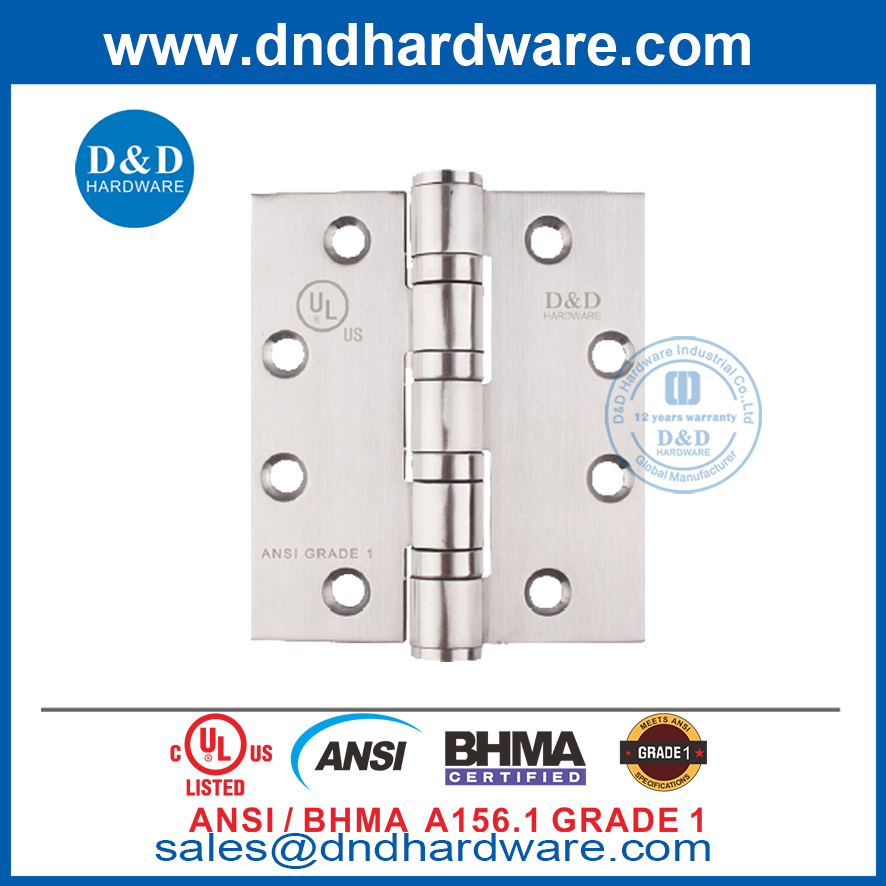
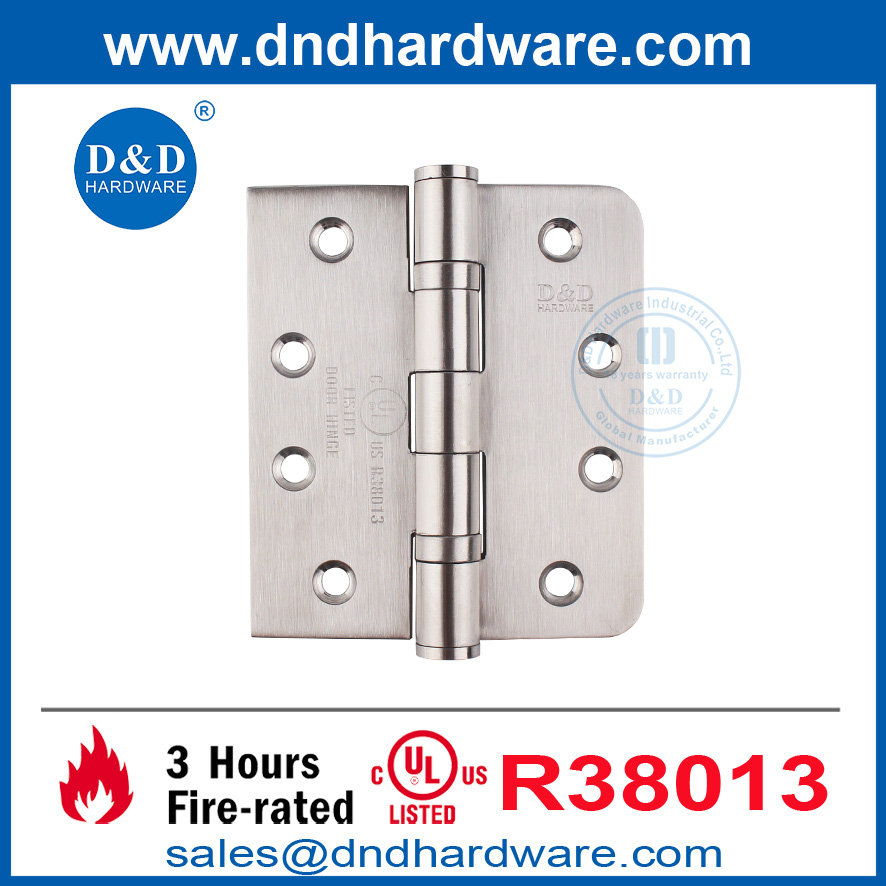
Start with the opening schedule and the required fire-protection rating. Check each exact product model and its listing limitations against the door and frame construction, hardware preparations, manufacturer instructions and code requirements. Keep the model-level evidence with the submittals. For example, D&D’s UL-listed fire door hinges under File R38013 can be specified for compatible applications, but the complete installed opening still requires verification.
2 Substituting panic hardware for fire exit hardware
The two products can look similar and both can permit egress, but their certification categories are not the same. UL identifies fire exit hardware as the category intended for swinging fire doors. Panic hardware listed only for a non-rated exit cannot be assumed suitable for a labeled fire door.
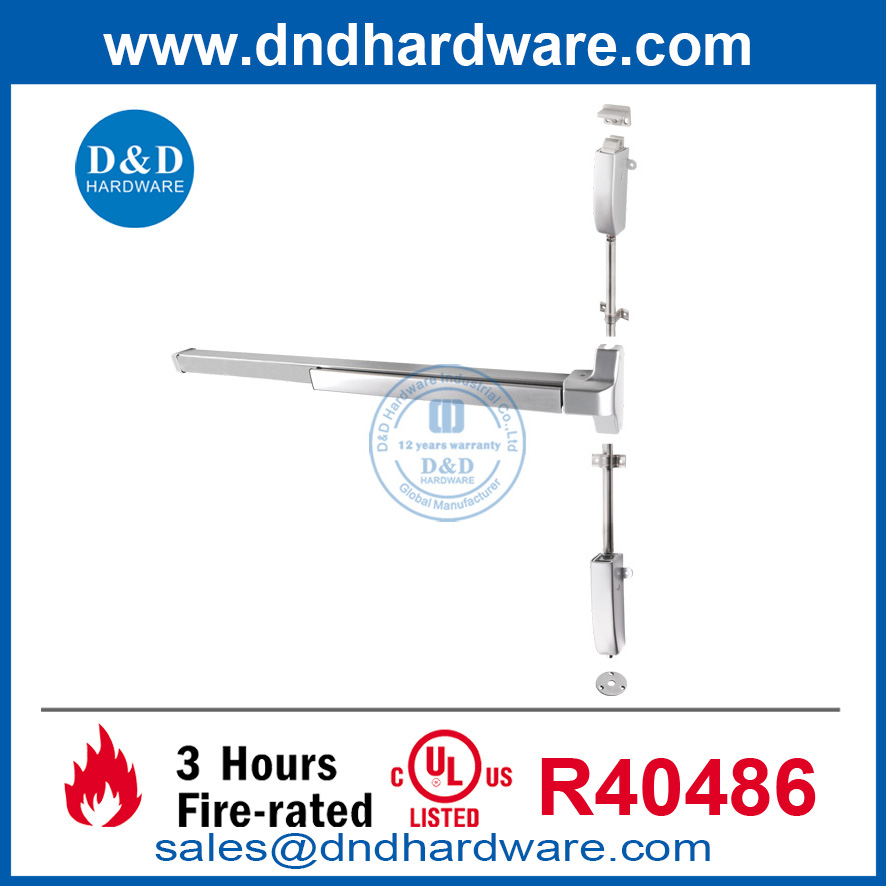
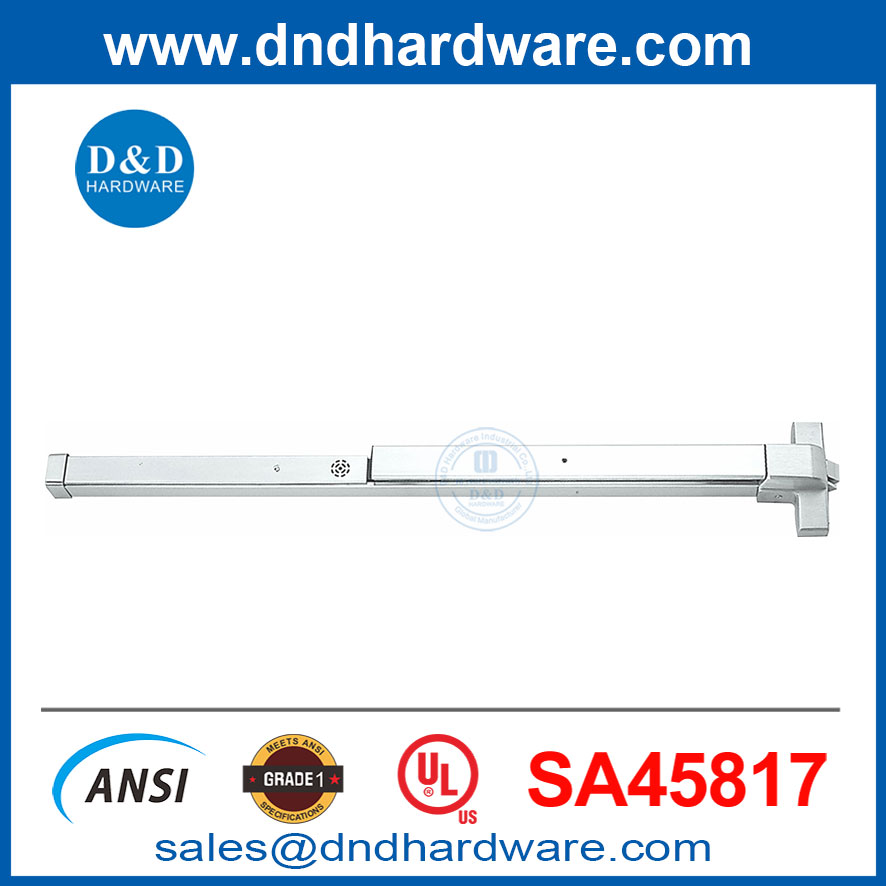
The correction begins at the door schedule: establish whether the opening is fire rated and whether the applicable egress code requires an exit device. Then verify the exact device marking and listing for both the fire-door and egress functions. D&D identifies its UL 10C fire exit hardware under File R40486 separately from UL 305 panic hardware under File SA45817. Verify the particular model and its required listings; do not use the panic-hardware file number alone as evidence of fire-door suitability.
3 Leaving installation tolerances to be fixed by hardware adjustment
An out-of-square frame, uneven floor or wrong door size is sometimes handed over as a “closer adjustment” problem. Increasing closing force can push a rubbing leaf into the frame, but it does not repair excessive gaps, binding hinges or a poorly aligned strike. The door may then become difficult to use and may still fail to latch under ordinary building pressure.
Measure the installed clearances at the head, jambs, meeting edges and bottom under the applicable edition and listing. Find the physical cause before trimming, shimming or changing hardware. Check the wall, frame anchorage, hinge reinforcement and floor condition where necessary. A small-looking gap may have a very different remedy depending on whether the leaf has dropped or the frame was installed out of square.
Mistakes That Develop During Everyday Use
4 Holding a self-closing fire door open with a wedge or stop
A stair or corridor door may be wedged open for deliveries, then left that way. A kick-down stop, floor wedge or tied-back closer prevents the door from performing its closing function. An approved automatic-closing arrangement is different: it must be designed, installed and tested for the specific opening and applicable requirements. A convenient hold-open product is not automatically an approved fire-door solution.
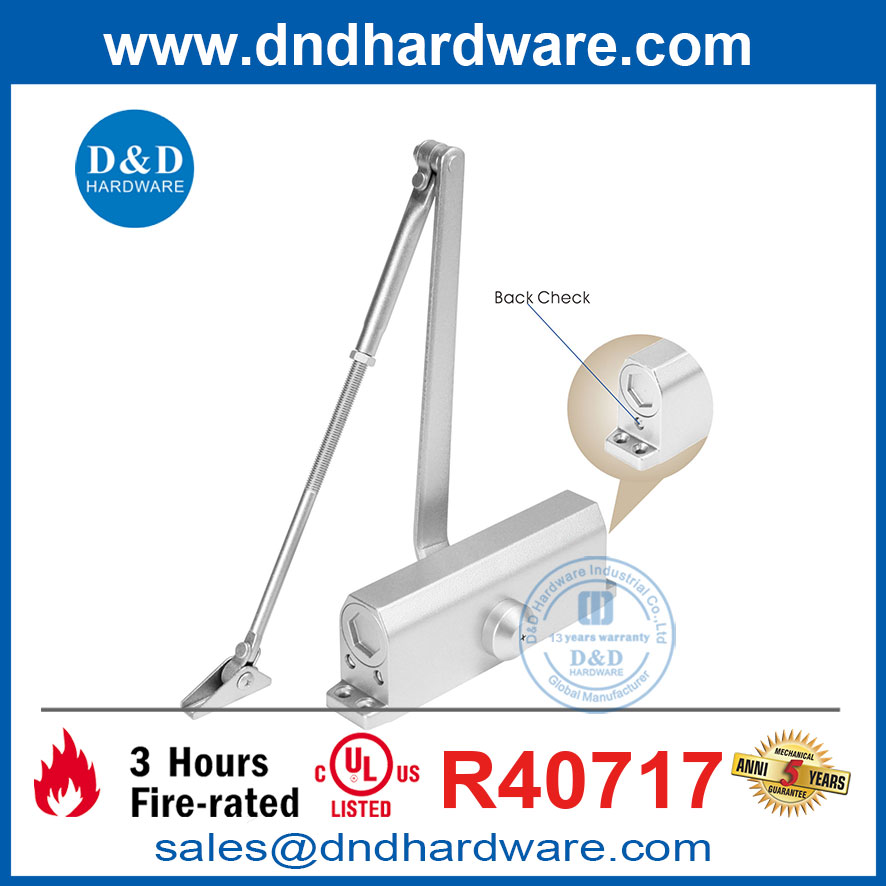
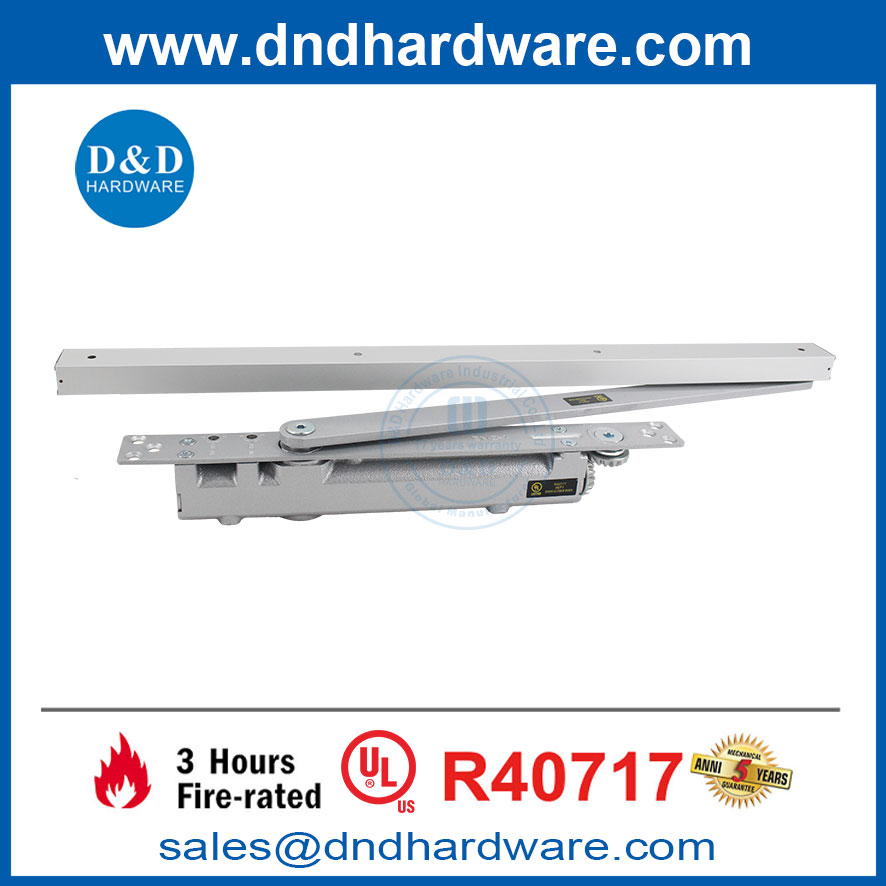
Remove the obstruction and test the complete closing cycle. If operations require an open door during normal conditions, have the design professional and authority having jurisdiction (AHJ) review an appropriate listed arrangement instead of improvising. Where a conventional self-closing closer is specified, a compatible D&D UL-listed door closer under File R40717 can be selected by exact model; it still needs correct installation and adjustment so the leaf closes and latches reliably.
5 Accepting a door that closes but does not latch
A closed-looking door is not necessarily latched. Paint at the strike, door sag, weather pressure, seal friction or a misadjusted closer can leave the latch bolt resting against the strike lip. A worker may solve the nuisance by taping the latch back, removing a strike component or increasing closer force until the door slams. Each response can leave the fire-door function unresolved.
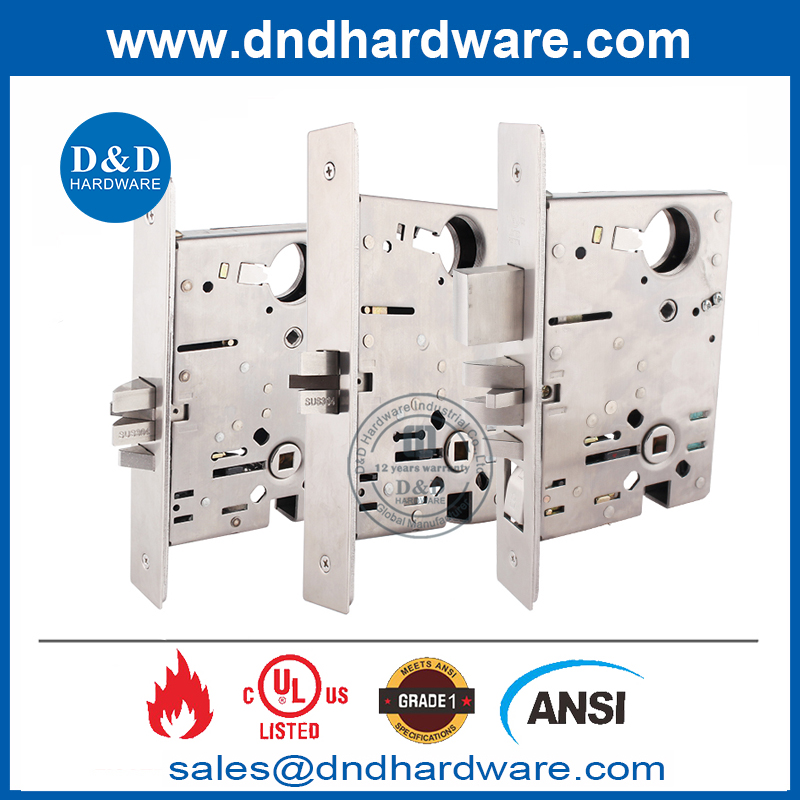
Release the leaf from a representative open position and observe whether the latch engages without a final push. Investigate alignment, latch projection, strike condition, hinges and closing control together. If a lock must be replaced, D&D UL-listed mortise locks under File R40901 offer options for compatible openings. Choose the actual listed model and required function, then retest the installed latch and strike rather than relying on the catalog description.
6 Ignoring the inactive leaf in a pair of fire doors
On a pair, the active leaf may operate well when tested alone while the inactive leaf remains unlocked, the astragal catches, or both leaves close in the wrong order. A closer on each leaf does not by itself guarantee the sequence required by the assembly. Testing just one leaf misses the interaction that matters at the meeting edges.
Open and release both leaves from positions that engage the sequencing hardware. Verify that the inactive leaf closes first where required, and that both leaves latch as designed. D&D door coordinators can help control the order on suitable pairs. The coordinator, closers, astragal and latching arrangement must be evaluated together; a replacement coordinator is not a substitute for correcting a bent frame or misaligned leaf.

7 Letting labels disappear during refinishing
Repainting can cover the identification on a door or frame. If the applied label is scraped, removed or painted until unreadable, the next inspector may be unable to confirm the product. Label treatment depends on the marking type; an embossed frame mark may be handled differently from an applied label if it remains legible under the applicable listing and rules.
Identify and photograph the markings before any refinishing. Protect applied labels during painting. Do not transfer a label from another product or print a replacement. If identification is lost, gather manufacturer and purchase records and seek direction through an authorized manufacturer or certification-body process and the AHJ.
Mistakes During Repair and Modification
8 Drilling or cutting the door without checking the listing
Adding a viewer, changing lock preparation or cutting an opening for another component can affect the labeled construction. The fact that an installer can make a clean cut does not mean it falls within permitted job-site preparation. UL distinguishes ordinary inspection from a field evaluation of a modified product; an inspection report cannot retroactively approve an unauthorized alteration.
Before work, compare the proposed change with NFPA 80, the product listing and manufacturer instructions. Where it exceeds permitted preparation, obtain the necessary written authorization or recognized field evaluation, or replace the affected component. Document the decision against the exact opening number. Do not drill first and assume the next annual inspection will settle it.
9 Concealing abandoned fastener holes with an unverified filler
When a closer or lock is moved, empty screw holes remain in the leaf or frame. Paint or ordinary patching compound can hide the holes but may not meet the repair method allowed by the adopted NFPA 80 edition. Larger penetrations and damage through a door face or edge can require a different solution from small fastener holes.
Record the hole location, number and size, then apply a repair method permitted by the relevant edition and the product listing or manufacturer guidance. If the condition is beyond that scope, consult the labeling agency, manufacturer and AHJ about evaluation or replacement. This is one reason to verify hardware footprint, fastener pattern and preparation before ordering a different model.
10 Assuming a replacement with the same dimensions is equivalent
A hinge leaf, lock faceplate or exit device can fit the existing holes while having a different certification, latch function, allowable door application or mounting instruction. Conversely, a listed replacement may require drilling that the door listing does not permit. Form and fit are only part of the compatibility check.
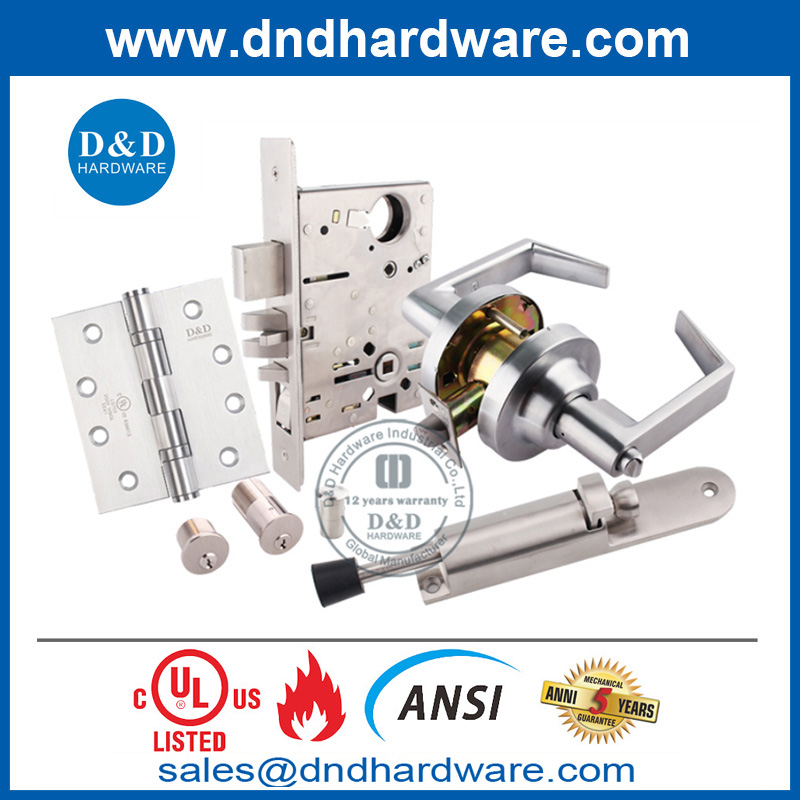
Identify the existing model, listing and function; verify the proposed replacement at the model level; compare its installation instructions and preparation; and obtain approval for deviations before purchase or installation. D&D’s UL Door Hardware range provides relevant product categories, but the opening schedule and the particular listed model determine suitability. After replacement, inspect and function-test the assembly before returning it to service.
11 Overlooking seals glazing and surface attachments
A door with sound hinges and a working closer can still have a broken vision panel, loose glazing bead, missing specified smoke seal or an added plate that conflicts with its listing. A large sign or surface-mounted item may interfere with the door or create unapproved penetrations. These details are easy to miss when repair work is organized by hardware type rather than by opening.
Walk the whole assembly after adjacent trades finish. Compare glazing, seals, signs and protective plates with the approved documents and applicable listing. Replace damaged components with appropriately identified products, and test the closing and latching cycle again if a new seal increases friction.
Mistakes in Inspection and Corrective Action
12 Recording an inspection but not closing the deficiency
An annual inspection is a condition report at a point in time. A completed form does not make a failing door compliant. Facilities sometimes mark a deficiency “addressed” when parts have been ordered, then lose track of installation, compatibility review and retesting.
Keep the inspection result, repair work order and retest together under the same opening ID. Assign a person to resolve each finding and record the completed work and observed result. Serious impairments need prompt action under the facility’s procedures and AHJ direction. For the inspection criteria and record contents, see D&D’s fire door inspection guide. The minimum annual schedule does not postpone a known defect or the check required after repair.
Which Mistakes Should a Facility Address First
Start with openings that cannot close, sequence or positively latch, and doors being held open by unapproved means. Those conditions directly defeat the protective function. Next resolve missing or questionable identification, unapproved alterations, damaged glazing and incomplete repairs. This is a practical triage approach, not a substitute for the formal inspection criteria or the AHJ’s impairment priorities.
A useful correction record answers four questions: Which opening failed? What exactly was observed? Which approved parts or repair method were used? Did a qualified person retest the affected function? If the answer to the last question is missing, the issue may still be open even though the work order is closed.
Frequently Asked Questions
Does a UL listed closer make a fire door compliant
No. Its listing supports the specified use of that exact closer. The complete door, frame, hardware and installation must be compatible, and the assembled opening must close and latch.
Is a fire door allowed to stay open during business hours
Only where an approved arrangement permits it and the assembly closes as required when released or activated. A wedge, ordinary door stop or disabled closer is not an approved hold-open arrangement.
Can any panic bar be fitted to a rated fire door
No. Verify fire exit hardware certification for the rated application and the required egress certification for the exact device. A device marked only as panic hardware for a non-rated door is not interchangeable.
Can an inspector approve a missing label or unapproved cutout
An inspection identifies a condition; it does not confer a new product certification. Missing identification or questionable modification may require manufacturer evidence, authorized field evaluation, field labeling where eligible, replacement and AHJ acceptance.
What should happen after an inspection finds a defect
Document the condition, determine a permitted repair, correct it without inappropriate delay, then retest and retain the result with the opening record. The annual inspection date and the repair completion date are separate facts.

Final Check Before Sign Off
The most costly NFPA 80 mistakes usually enter the project when teams treat a fire door as a collection of interchangeable products. For every rated opening, carry the exact identity, listing conditions and operating requirements through procurement, installation, use and repair. A visible label and a filed inspection report are useful evidence only when the assembly itself remains intact and functional.
Code requirements vary by jurisdiction and adopted edition. Confirm the applicable NFPA 80 edition, referenced building and life safety codes, local amendments, manufacturer instructions, product listings and project conditions with the authority having jurisdiction (AHJ).

Contact us Now:
Contact: David Jian
Mob:0086-139 2903 7292
Email: David@dndhardware.com, sales@dndhardware.com,
Contact: Jobby Zhang
Mob:0086-137 2599 9617
Email: jobby@dndhardware.com
D&D HARDWARE INDUSTRIAL CO.,LTD
ADD:12th Floor, Building 2, No.898, KeChuang Technical Zone, Jiangmen Avenue, Pengjiang District, Jiangmen City, Guangdong, China (Postcode:529000)
https://www.dndhardware.com
Tel: +86-750-3856396
Fax: +86-750-3856395


 English