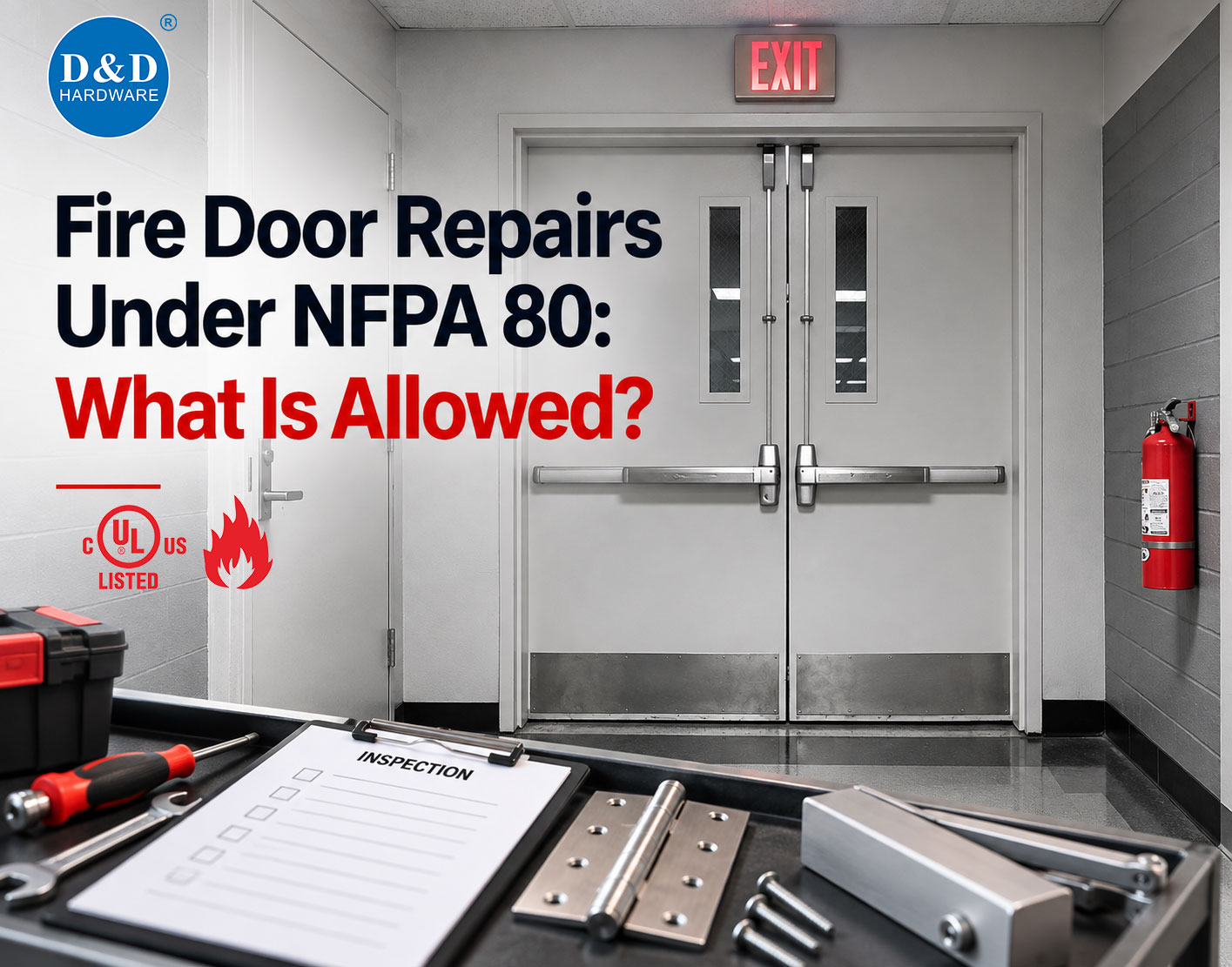
A repair request often starts with a small defect: a loose hinge, a latch that misses its strike, or empty screw holes where an old closer was mounted. Yet the correct remedy depends on what the work changes in the listed fire door assembly. Tightening an approved fastener, replacing a suitable component and cutting a new lock pocket are different jobs, even when all three are described on a work order as “door repair.”
NFPA 80 allows maintenance and repair, but the work must preserve the fire door’s identification, compatible construction and required operation. The practical decision is whether the proposed work stays within the applicable standard, product listings and manufacturer instructions; requires a permitted field modification with written authorization; or calls for evaluation or replacement. This article addresses those repair decisions rather than repeating the annual inspection checklist.

Identify the Opening Before Choosing a Repair
Find the door and frame labels and record the opening ID, fire-protection rating, manufacturer and certification mark. Compare those details with the approved door schedule and the building’s records. Photograph the defect and the surrounding preparation before removing any hardware. Note door and frame materials, the size and location of holes or damage, and whether the opening is a pair or also has smoke-control requirements. If markings cannot be read, do not invent a rating from a similar door nearby.
Check whether the defect is caused by hardware or by the door, frame, anchorage or wall. A closer that fails to latch the door may be undersized or misadjusted, but the leaf may instead bind on a dropped hinge or an out-of-square frame. Increasing closer force can hide the cause and create an opening that is difficult to use. Address the physical fault and then verify the entire closing and latching cycle.
Where the door is temporarily unable to perform its required function, notify the responsible facility personnel and follow the site’s impairment procedures and AHJ direction while arranging prompt correction. An open work order does not restore the assembly’s protection.
Three Repair Paths Under NFPA 80
Routine maintenance and compatible replacement
Cleaning and lubrication as permitted by the hardware manufacturer, tightening or replacing approved fasteners, correcting an adjustable strike and setting a closer within its published instructions are typical maintenance tasks. Replacement of a worn hinge, closer or latch can also be viable when the exact replacement is appropriate for the rated opening and the installation does not demand unapproved alterations. Even a same-function part requires a check of its certification, door construction, mounting template, required accessories and compatibility with the existing frame.
Limited repairs subject to prescribed methods
Abandoned fastener holes illustrate this category. NFPA 80 provides methods for properly closing certain holes left by removed hardware; which method applies depends on the adopted edition, the material and the particular condition. Steel fasteners that completely fill the holes, material matching the door or frame, or a material approved for the specific use may be applicable under the governing requirements. Do not assume that surface paint, ordinary filler, adhesive or an arbitrary screw is acceptable. A hole created for a viewer or an oversized lock opening is a different condition from a former mounting-screw hole.
Field modification or replacement when repair exceeds the allowance
A new mortise pocket, large cutout, change to glazed opening, relocated exit device or extensive damage can go beyond permitted job-site work. Before cutting, provide the door or frame manufacturer and the product’s listing agency with the proposed method and drawings where needed. The agency may permit a defined modification in writing, request an evaluation or testing, or require a new labeled component. The building owner and installer cannot make a proposed modification acceptable merely by recording it as a repair.
UL Solutions distinguishes inspection of an existing assembly from field evaluation of changes to its certified construction. If a listing has been affected or the identity of an altered door cannot be established, discuss the available evaluation or authorized field-labeling route with the appropriate agency and AHJ; do not apply a replacement label yourself.
Repair Scenarios Seen on Commercial Fire Doors
Hinge screws loosen and the leaf drops
Measure the gaps and check the hinge leaves, pins, screws, frame reinforcement and anchorage. If the original hinge remains suitable, correct loose fasteners using the manufacturer’s approved repair method and permitted reinforcement; then check alignment and latching. A longer or larger fastener is not automatically suitable for every hollow metal or wood construction. If the hinge itself has worn, match the replacement’s dimensions, bearing type, door loading and permitted fastening pattern before ordering.
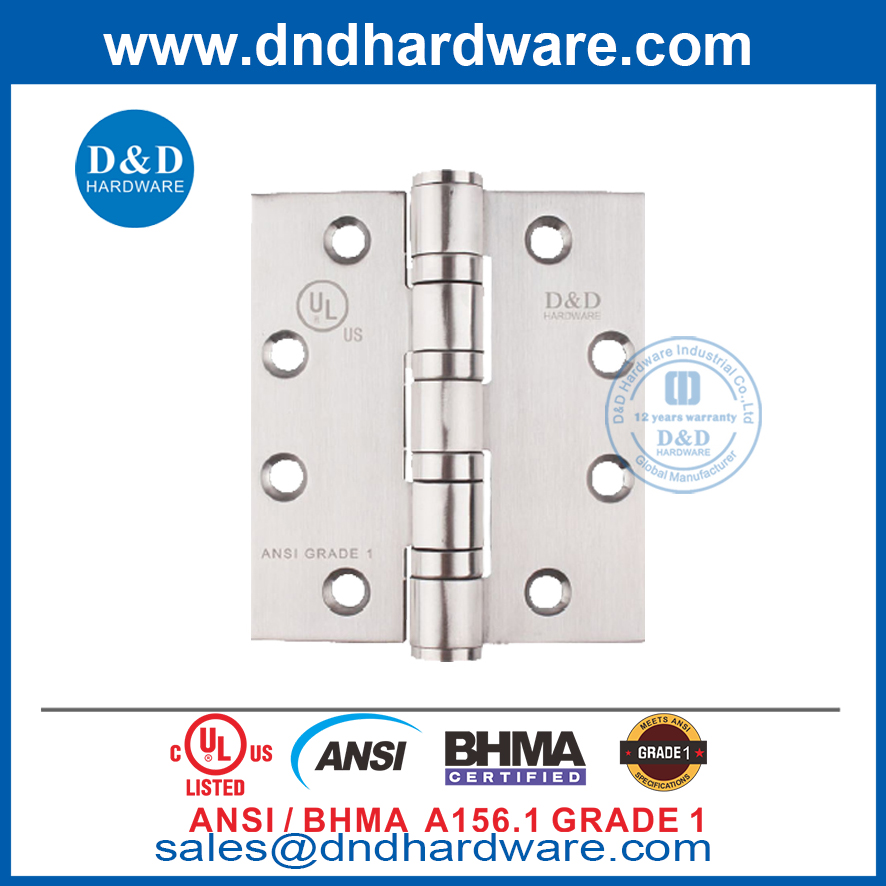
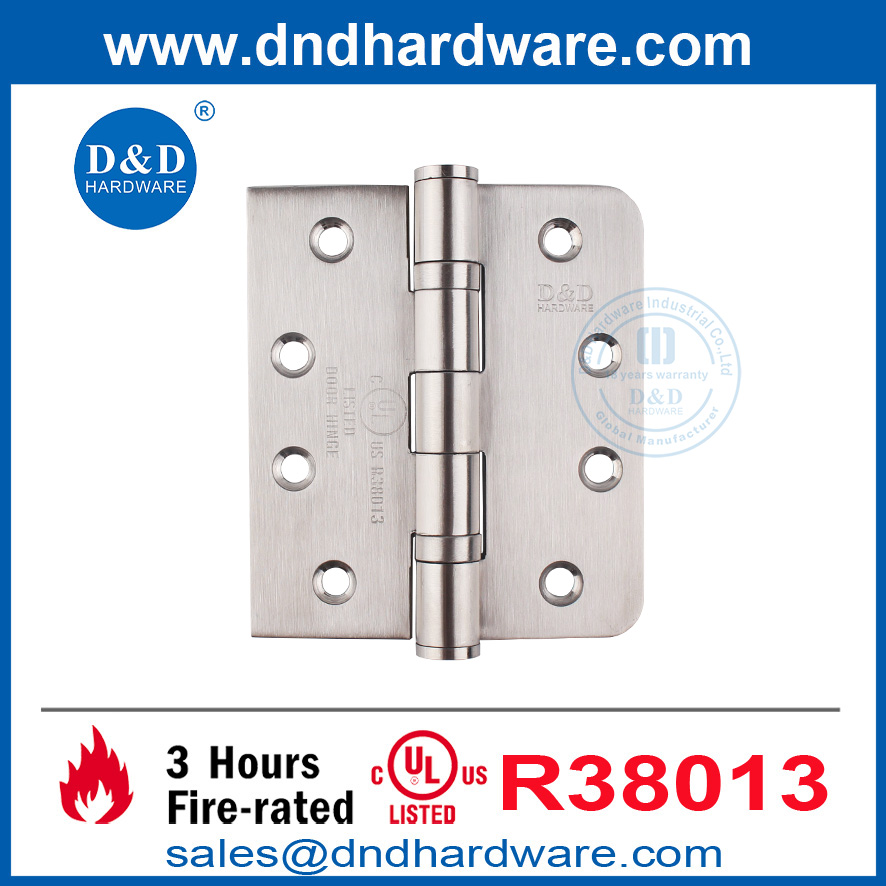
For a suitable opening, D&D’s UL 10C listed door hinges associated with File R38013 are replacement candidates when the actual model, door/frame compatibility and mounting instructions match. The hinge listing does not approve new holes in an unrelated labeled door.
A closer leaks, slams or leaves the latch unengaged
Identify the closer model and mounting arrangement. Adjust within its instructions where it remains serviceable; a damaged hydraulic unit may need replacement rather than improvised internal repair. Examine sweep and latch action, door pressure, seals, mounting screws and arm geometry. Replacing only the closer body while retaining an incompatible arm or accessory can invalidate an otherwise reasonable plan. Check whether the new template requires additional drilling and resolve that work before purchase.
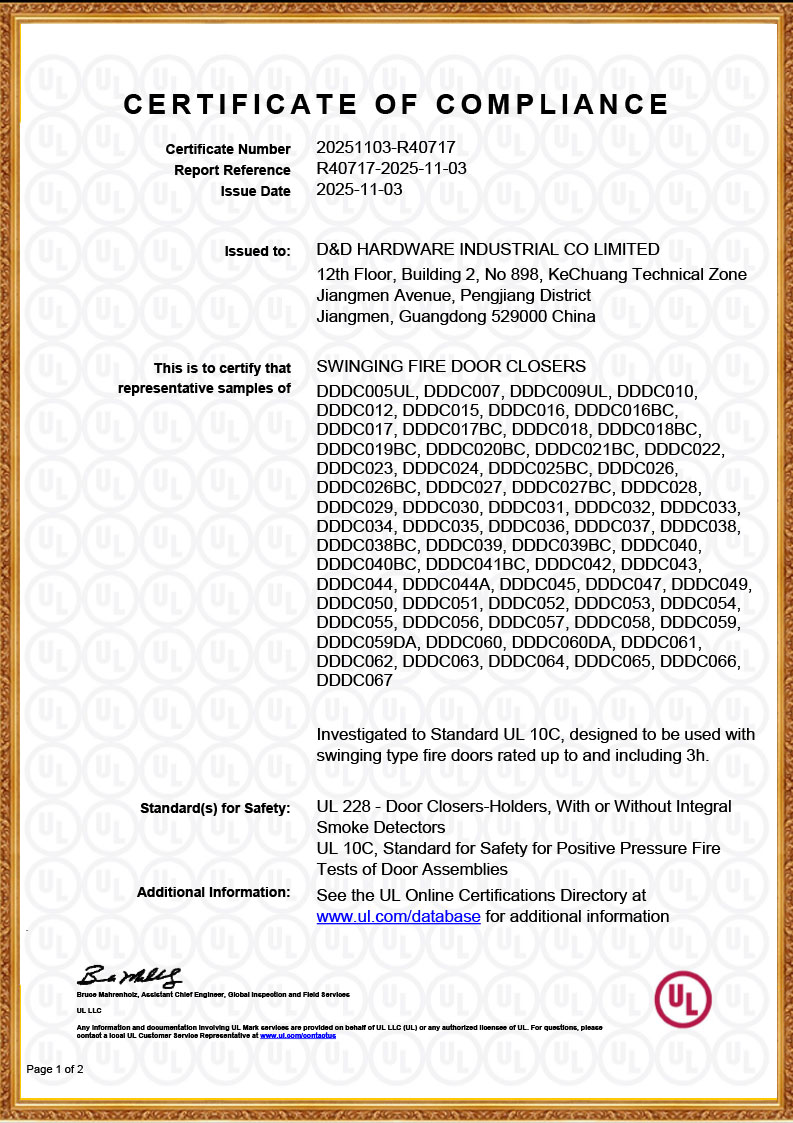
D&D supplies UL 10C listed door closers associated with File R40717 for applicable rated installations. Specify the exact closer and approved mounting parts, then release the door from representative open positions to confirm that it closes and latches without a final push. If a pair has a coordinator, test both leaves together.
A mortise lock no longer latches
Inspect the strike, latch projection, door alignment and closer operation before attributing the failure to the lock. Never tape back the latch or enlarge the strike cutout by guesswork. If replacement is necessary, compare case size, faceplate, backset, strike, handing and required function. A replacement that fits most dimensions but requires enlarging the pocket is still a proposed alteration to the labeled leaf or frame.
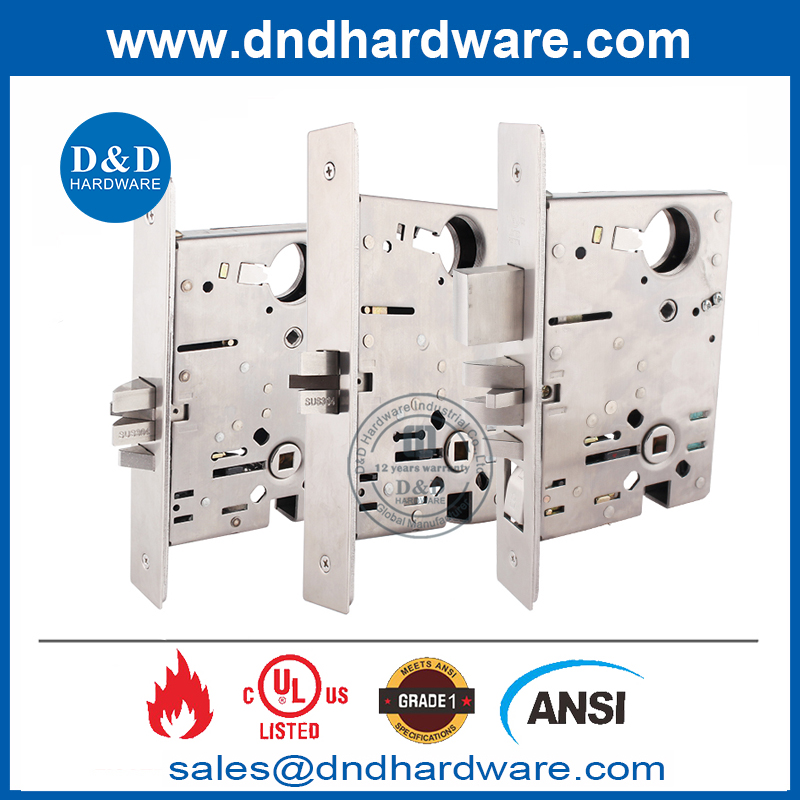
D&D’s UL 10C listed mortise locks associated with File R40901 offer options where the exact model and preparation are compatible. After installation, verify positive latching from a normal release position and record the installed lock and strike. The hardware’s listing is evidence for its specified use, not retroactive authorization to modify the opening.
An exit device is damaged or removed
First determine whether the rated opening requires an exit device under the adopted egress code and approved schedule. For a labeled fire door, confirm that the replacement is suitable as fire exit hardware for that application, including any required egress certification. A device listed only as UL 305 panic hardware cannot be presumed suitable on a rated opening. Compare the mounting holes, strikes, rods if present, latch operation and required accessories before selecting a model.
D&D identifies UL 10C fire exit hardware under File R40486 and separately lists UL 305 panic hardware under File SA45817. Confirm the certification and marking of the specific ordered model for the opening. Removing the device can also leave penetrations that must be resolved under the applicable hole-repair or field-modification provisions.

Labels, glazing, seals and damaged door faces
Protect readable door and frame labels throughout refinishing. An applied label that is painted over, removed or no longer legible should be addressed with the responsible manufacturer or certification service; reproducing it in the field without authorization does not restore certification. Replace damaged glazing or gaskets using components approved for the door’s construction and any smoke rating. New seals can increase closing friction, so retest the door after installation.
Dents, separation, corrosion, delamination and holes through the skin or edge must be judged against the manufacturer’s permitted repair procedures and the extent of structural damage. A visually smooth patch does not demonstrate retained fire performance. Where a permissible repair cannot be established, replacement or a recognized field evaluation may be the defensible course.
How to Decide Whether an Existing Hole Can Be Repaired
Record its diameter, depth, position and origin: was it a fastener hole from a removed closer, a through-penetration, a cutout for a lock, or damage from impact? Identify door versus frame material and check whether the opening’s listing or manufacturer instructions impose more restrictive conditions. Only then select a repair method expressly allowed for that type of hole by the adopted NFPA 80 edition and applicable listing. Steel Door Institute guidance distinguishes fastener holes from larger or different penetrations requiring manufacturer and listing-agency review.
For example, four small mounting-screw holes abandoned when a closer is changed may qualify for an allowed hole-repair method, subject to the actual construction and rules. A rectangular mortise left by a removed lock should not be classified as four fastener holes simply because both result from removed hardware. The proposed patch also must not impair the door’s closing, latching or smoke-control function.

Written Authorization for Field Modifications
When a planned cut or repair is beyond the work clearly permitted at the job site, stop before altering the product. Submit the opening identification, label photographs, manufacturer and model details, existing condition, proposed dimensions, drawings, parts and installation method through the manufacturer to the listing agency associated with the affected door or frame. Keep the agency’s written decision and any required site evaluation with the opening record. The outcome may differ by material, rating and labeled construction.
Ask the AHJ how the proposed resolution will be accepted when project conditions require it. The manufacturer of a listed replacement part can describe that part’s permitted use; it cannot by itself authorize cutting another manufacturer’s labeled door. Likewise, an annual inspection documents observations but does not confer a new product listing or authorize an undocumented field alteration.
Retest the Assembly After Repair
Once work is complete, inspect and test the fire door assembly rather than looking only at the repaired spot. Confirm labels remain legible, components are secure, no open holes or breaks remain, clearances and seals meet the applicable requirements, and the door closes and positively latches. Check both leaves and any required closing sequence on pairs. Verify exit-device release where installed and ensure added parts do not interfere with egress.
NFPA 80 calls for inspection and testing after maintenance or repair. Retain the opening ID, original deficiency, repair authorization where needed, replacement model and listing details, work date, test results and responsible person. This post-repair test is separate from the next annual inspection. For the broader inspection process, see D&D’s fire door inspection requirements guide. A repair is not complete if the work order is closed but the leaf still fails to latch.
Frequently Asked Questions
Can a fire door be repaired instead of replaced?
Yes, when a permitted repair restores the labeled assembly and its required operation. If damage or a proposed change falls outside approved methods, the manufacturer, listing agency and AHJ may require an evaluation or replacement.
Can ordinary filler be used in screw holes?
Do not assume so. The adopted NFPA 80 edition and the door or frame listing determine approved methods for the specific hole and material. Cosmetic coverage alone is insufficient evidence of a compliant repair.
Is replacement hardware automatically acceptable if it has a UL mark?
No. Confirm the exact product’s certified use, function, rating application, required accessories and installation conditions. Check the existing preparation and whether installing it would create a field modification.
Who can approve a new cutout in a labeled door?
For a change beyond permitted job-site preparation, follow the applicable NFPA 80 process through the door manufacturer and the listing agency, with AHJ acceptance where required. The installer’s judgment or a supplier’s catalog claim alone is insufficient.
Does an annual inspection need to be repeated after a repair?
The affected assembly needs inspection and testing after maintenance or repair under the applicable standard. Document the result independently of its regular periodic inspection schedule.

Applicable Edition and Authority
Code requirements vary by jurisdiction and adopted edition. Confirm the NFPA 80 edition in force, referenced building and life safety codes, local amendments, manufacturer instructions and product listings with the authority having jurisdiction (AHJ). Hole-repair permissions, job-site preparation limits and field-modification procedures must be checked against the edition and labeled products that govern the actual opening.

Contact us Now:
Contact: David Jian
Mob:0086-139 2903 7292
Email: David@dndhardware.com, sales@dndhardware.com,
Contact: Jobby Zhang
Mob:0086-137 2599 9617
Email: jobby@dndhardware.com
D&D HARDWARE INDUSTRIAL CO.,LTD
ADD:12th Floor, Building 2, No.898, KeChuang Technical Zone, Jiangmen Avenue, Pengjiang District, Jiangmen City, Guangdong, China (Postcode:529000)
https://www.dndhardware.com
Tel: +86-750-3856396
Fax: +86-750-3856395


 English