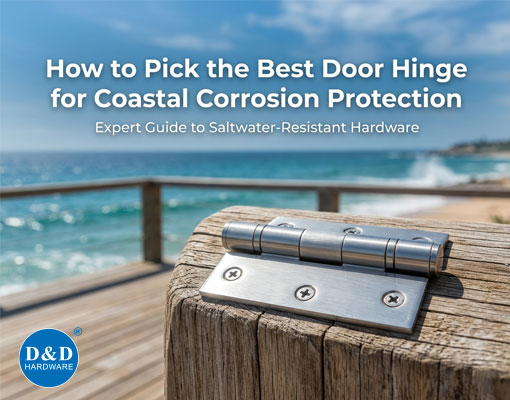
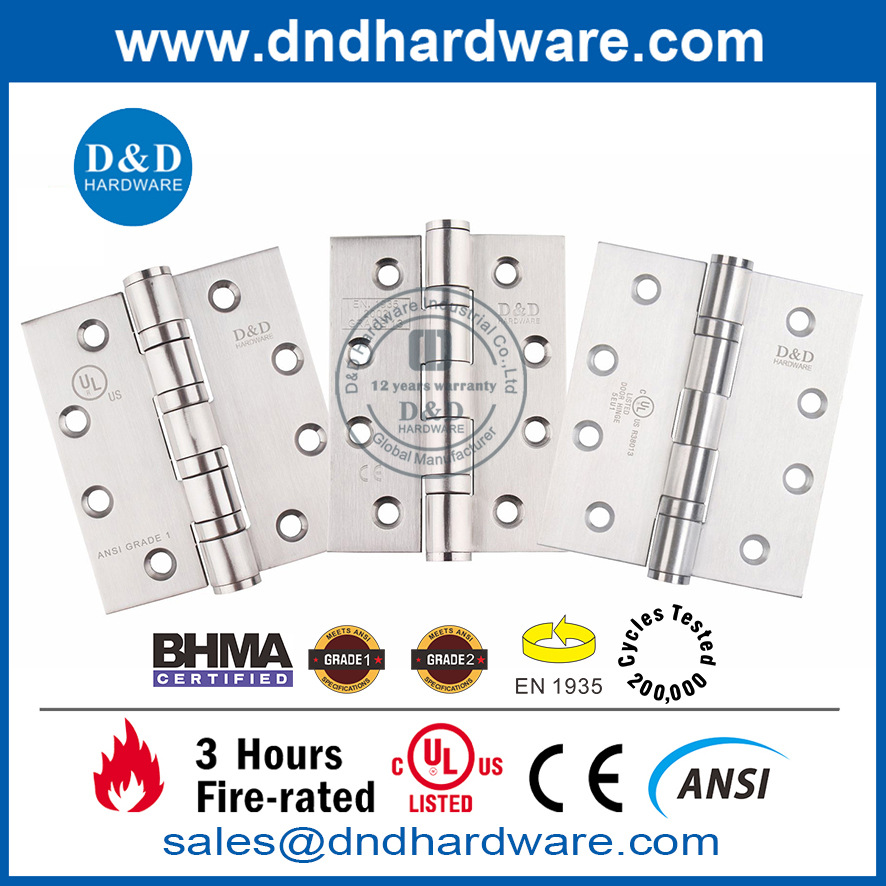
If you live near the coast, salt and humidity can damage door hinges. You need a corrosion resistant door hinge that lasts in tough weather. Choose hinges made from 316 stainless steel with a strong finish. Always check for certifications like ANSI/BHMA, EN 1935, and UL 10C. D&D Hardware has certified, high-quality hinges that stop corrosion and protect your doors.
Certification Standard | Description |
ANSI/BHMA A156.1 | Tests load strength, cycles, corrosion, and fire safety |
EN 1935 | European standard for hinges and corrosion resistance |
UL 10C | Checks fire safety for door hardware |
316 Stainless Steel: Better chloride resistance, great for coastal areas.
304 Stainless Steel: Good for less corrosive places and humid weather.
Key Takeaways
Pick 316 stainless steel hinges for strong corrosion protection near the coast.
Check for certifications like ANSI/BHMA, CE, and UL to make sure the hinges are good and last long.
Clean and oil your hinges often to stop rust and keep them working well.
Choose hinges with special finishes like powder coating or PVD to help them last longer.
Look at your hinges every month for wear, rust, or damage so you can fix problems early.
Use 316 stainless steel fasteners that match to stop rust from spreading.
Think about where you put the hinges and how they are designed to keep them away from salty air and water.
Ask experts like D&D Hardware for advice to help you pick the best hinges.

Why Corrosion Resistance Is Essential
Coastal Environment Challenges
Living near the coast is tough for door hardware. Salty air, humidity, and storms cause problems. These things make hinges corrode and break faster. Here’s what happens in coastal areas:
Salt in the air makes metal parts corrode quickly.
Humid air brings water that helps rust form.
Storms bring more salty air and water to your hinges.
Salt from the ocean floats in the air and sticks to metal.
Moist air keeps hinges wet, so rust forms easily.
Being close to water means more moisture and more corrosion.
Door hinges are where salty air can get inside. Tiny spaces and joints hold water and salt, making corrosion worse. Using different metals together can cause electrolytic corrosion. Moving the door a lot wears off coatings, so metal gets exposed. Bad insulation lets water build up inside, adding moisture from both sides.
Tip: Pick marine-grade materials and finishes for coastal hinges. They last longer and keep your doors working well.
Reason | Explanation |
Direct exposure | Hardware sits where salty air can get in easily. |
Micro gaps and joints | Small joints trap water and salt, speeding up corrosion. |
Mixed materials | Using different metals can cause electrolytic corrosion if not separated. |
Continuous movement | Using the door often wears off coatings, exposing metal to salty air. |
Condensation and thermal bridging | Bad insulation lets water build up inside, adding moisture from both sides. |
Common Issues with Standard Hinges
Standard hinges do not last long near the coast. You may see rust, squeaks, or broken hinges soon. Brass hinges corrode fast in salty and humid air. Stainless steel hinges have a protective layer that lasts longer. Standard hinges need fixing or replacing often, costing you time and money.
Standard hinges rust quickly near the ocean.
Brass hinges do not last as long as stainless steel.
You need to fix them more often.
Hinges lose strength and look bad fast.
Benefits of Corrosion Resistant Door Hinges
Corrosion resistant hinges, like 316 stainless steel or powder-coated aluminum, are made for coastal places. These hinges fight rust from salty air and humidity. They stay strong and look good for a long time, so you do not need much maintenance. You get better strength and longer life.
Corrosion resistant hinges can last 5 to 8 times longer than brass hinges near the coast. The protective layer in stainless steel helps stop moisture and salt damage. Marine-grade materials and special coatings keep coastal hinges strong and reliable.
Note: Using corrosion resistant hinges means fewer repairs, less trouble, and peace of mind for your coastal home.
Key Features of Corrosion Resistant Door Hinges
Material Selection
Picking the right hinge material is important near the coast. Salt and water can make metal weak and ugly. You want your door to stay strong and look nice.
316 Stainless Steel
316 stainless steel is the best for corrosion resistant door hinges. It does not rust easily in salty air or wet places. Chromium in the steel makes a shield that stops rust. These hinges keep their strength and look good for a long time.
Material | Corrosion Resistance | Notes |
Marine Grade 316 Stainless Steel | High | Made to handle salty air and wet weather. |
Bronze | High | Lasts long and resists rust outside. |
Titanium | High | Used for tough places where rust is a problem. |
Marine-Grade Aluminum
Marine-grade aluminum is another good choice for coastal hinges. It is light and does not rust much. Powder-coated aluminum is common in beach homes. The coating gives extra protection. These hinges are easy to use and do not weigh much.
Brass and Other Alloys
Brass hinges look old-fashioned and are strong. Bronze, made from copper and tin, also fights rust. Both give a nice finish and work well outside. They are good for doors in rough weather.
Bronze does not rust, so it is great for the coast.
Brass and bronze hinges make your door look nice and last longer.
Both work well in salty and wet air.
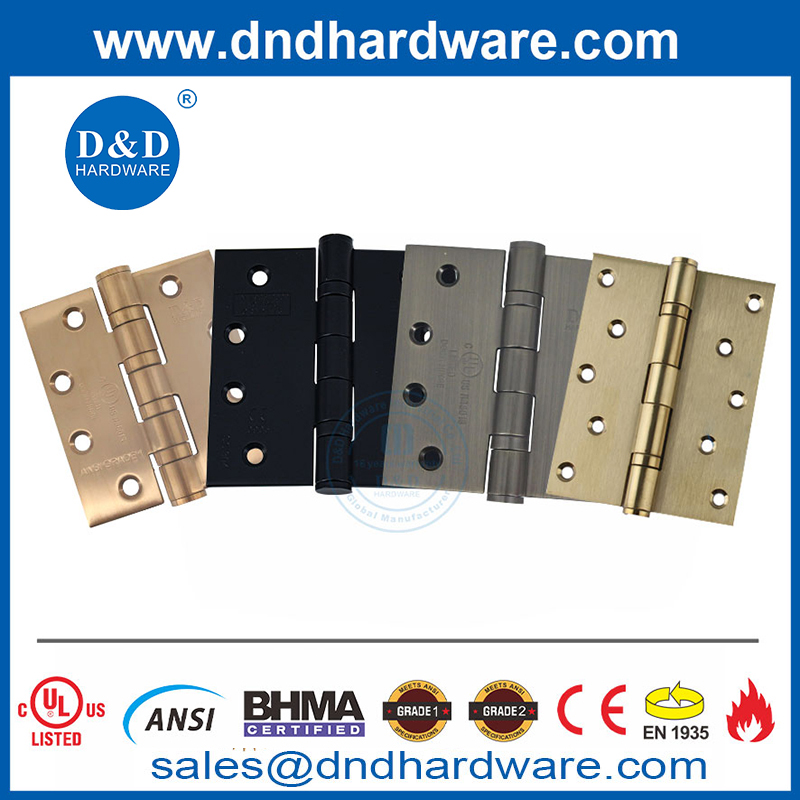
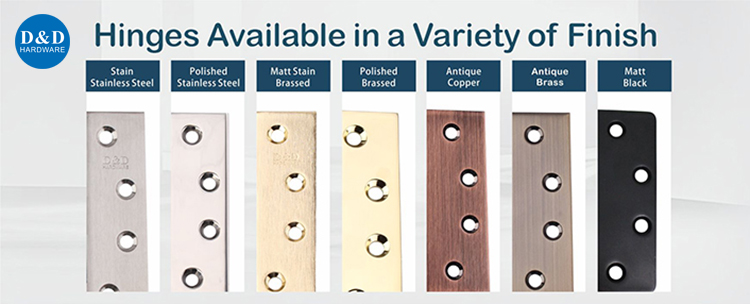
Surface Finishes and Coatings
The finish on your hinges is just as important as the material. A good finish keeps your hinges safe and looking new.
Powder Coating
Powder coating puts a tough layer on your hinges. It stops rust and keeps salt and water away. Powder-coated aluminum is popular in coastal homes. The coating helps hinges last longer.
Anodizing
Anodizing is good for aluminum hinges. It makes the surface hard and stops rust and scratches. Hinges look clean and work well even near the ocean.
PVD Treatment
PVD treatment adds a shiny layer to your hinges. This finish helps stop rust and keeps hinges looking new. PVD coatings and 316 stainless steel are a strong pair for coastal hinges.
Tip: Always check the finish and coating before buying. The right finish means less work and longer lasting hinges.
Design and Construction
How hinges are made affects how well they work and fight rust.
Sealed Bearings
Sealed bearings keep water and salt out. Your door opens easily and hinges last longer.
Heavy-Duty Options
Heavy-duty hinges are made for big doors and lots of use. They stay strong and do not rust in coastal weather.
Adjustable Hinges
Adjustable hinges let you change your door’s position. They make your door work better and are easier to fix.
Salt spray tests help makers check how well hinges fight rust.
These tests copy coastal weather and show which hinges last longest.
Results from salt spray tests prove which materials and finishes are best.
You need corrosion resistant door hinges with the right material, finish, and smart design. This gives you strong, stylish, and easy-to-use doors for your coastal home.
Certifications and Standards
Certifications are important when buying door hinges for the coast. They show the hinges meet strict safety and quality rules. You want hinges that last and protect your doors from corrosion. Here are the main certifications and standards to look for.
ANSI/BHMA
ANSI/BHMA means American National Standards Institute and Builders Hardware Manufacturers Association. These groups make rules for how hardware should work. If your hinge has ANSI/BHMA A156 Series, it passed tests for strength and durability. The tests check how many times the hinge opens, how much weight it holds, and how well it resists corrosion. You can trust these hinges to handle salty air and lots of use.
Tip: Look for ANSI/BHMA certification. It shows your hinges are ready for tough conditions.
Here are some common certifications for corrosion resistant hinges:
Certification/Standard | Description |
ANSI/BHMA A156 Series | Rules for architectural hardware like hinges |
MIL-SPEC | Military rules for defense hardware |
ISO 9001 | Rules for quality management systems |
ASTM E2068 | Tests how hinges open and break away |
CE Marking | Needed for products sold in Europe |
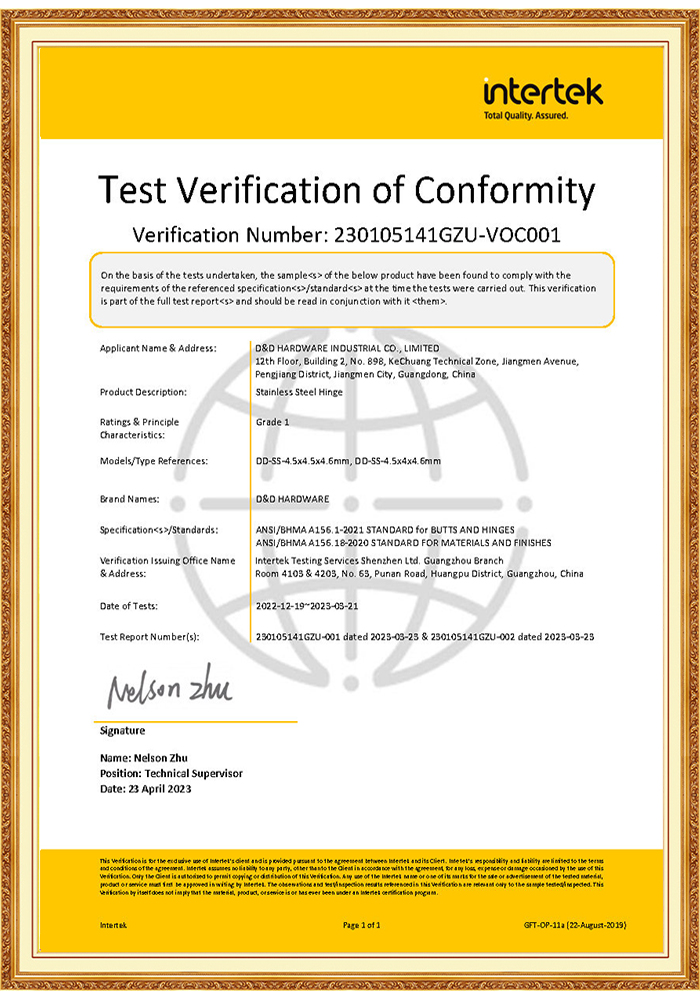
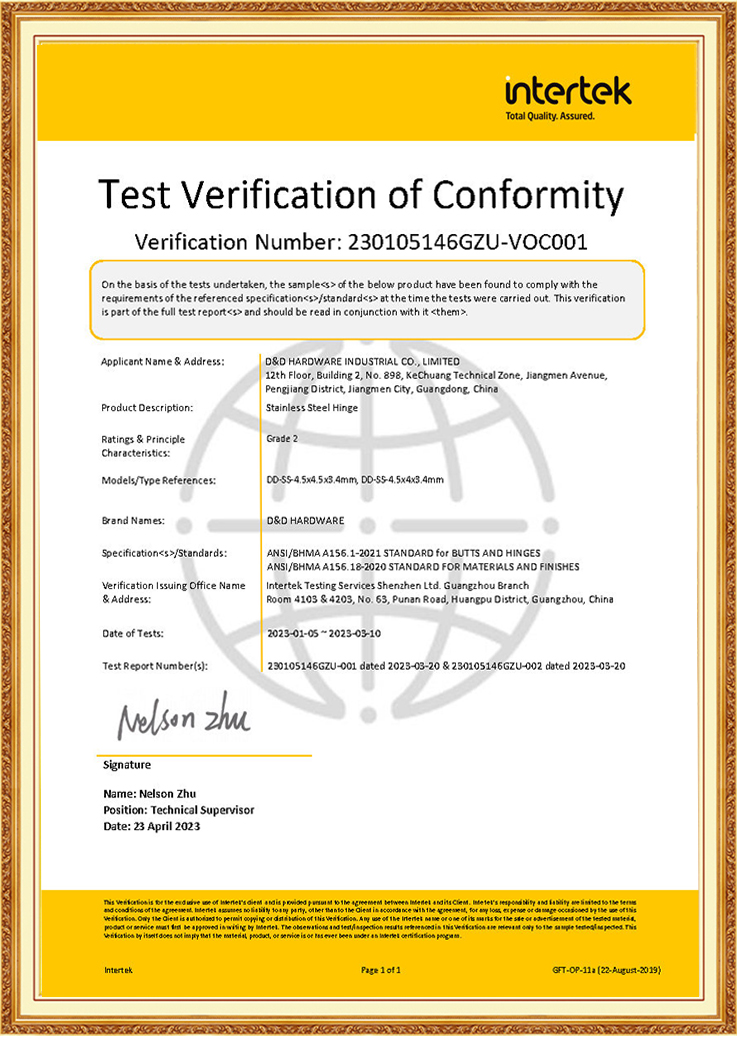
UL, CE, BS EN
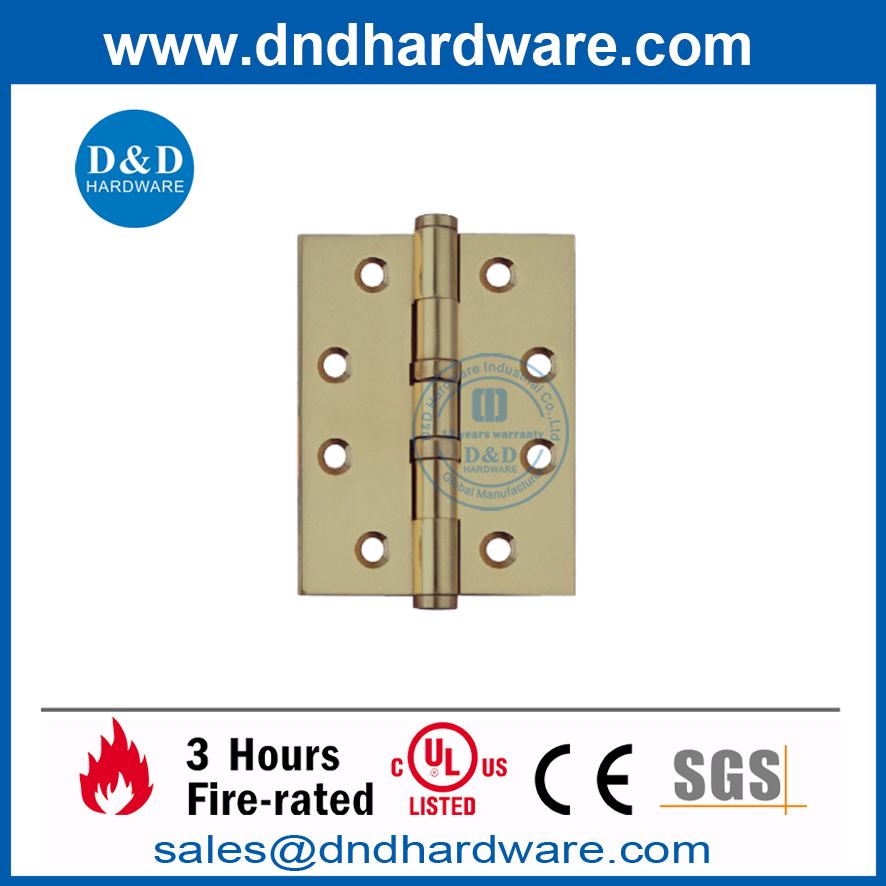
UL, CE, and BS EN are worldwide standards. UL stands for Underwriters Laboratories. UL checks hardware for fire safety and performance. Hinges with UL certification can handle emergencies and keep doors safe.
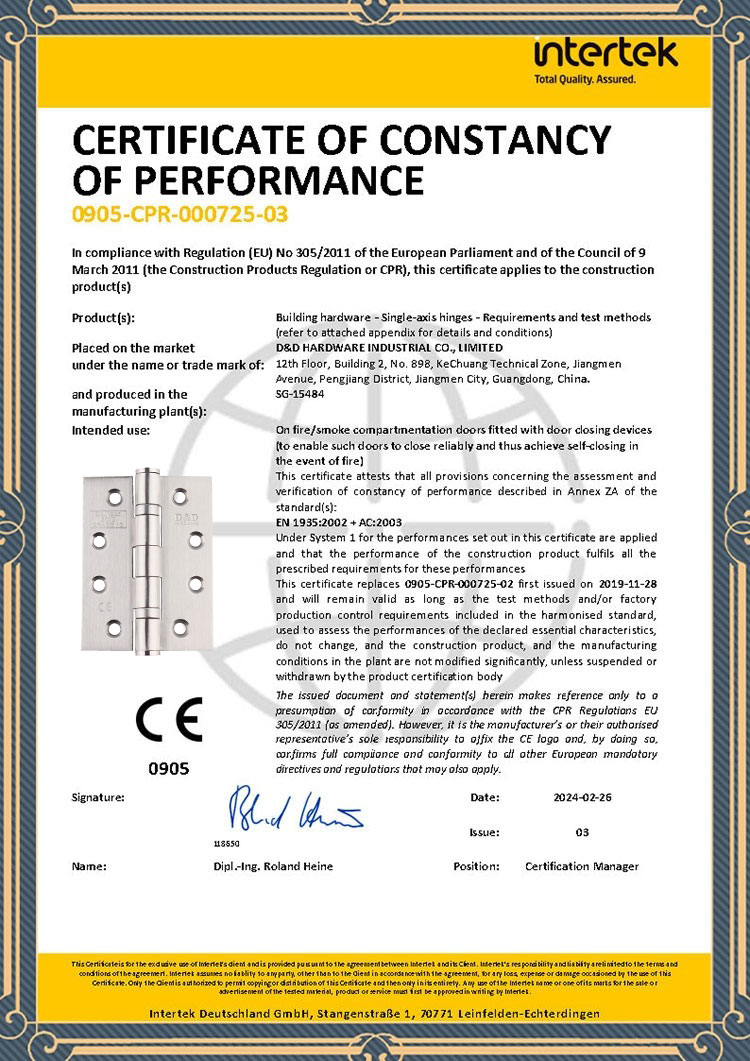
CE marking is needed in Europe. It shows hinges meet health, safety, and environmental rules. You can use CE certified hinges in European projects.
BS EN is the British and European standard. It checks performance, durability, and corrosion resistance. BS EN certified hinges go through tough tests to make sure they last in harsh weather.
Note: Certified hinges help you feel safe. Your doors are protected and your hardware will last.
Always check for these certifications when picking hinges for coastal homes. They prove your hardware can handle salty air, moisture, and daily use. Certified hinges mean less fixing and more dependability.
Material Comparison for Coastal Door Hinges
Stainless Steel vs. Aluminum
You want your hinges to last near the coast. Stainless steel and aluminum are both popular. Let’s compare them:
Stainless steel does not rust easily. It works well in salty and wet air.
Aluminum is light and resists rust. It does not last as long by the ocean.
Marine Grade 316 stainless steel is made for coastal places. It stops rust and keeps hinges strong.
Aluminum can rust faster than stainless steel. It needs a good finish to protect it.
Stainless steel stays strong and fights rust for a long time. It is great for coastal homes.
Aluminum is easy to use and install. It needs extra coatings to last longer.
If you pick solid stainless steel hinges, they are very strong and resist rust. Aluminum hinges are lighter but need a good finish to handle salty air.
Brass and Other Materials
Brass is another choice for coastal door hinges. Brass works well near the ocean because it makes a protective layer. This layer keeps saltwater and humidity away from the hinges. Brass does not rust, so your hinges stay nice and work well even in tough weather. Brass gives your door a warm look and stands up to corrosion.
Bronze is also a good option. It is strong and does not rust. Bronze hinges are great for fancy doors. Zinc alloy hinges cost less and are light, but they can rust in wet places.
Brass and stainless steel both make good coastal door hinges. Brass looks classic, and stainless steel is tough and lasts long.
Pros and Cons for Coastal Use
Here is a quick look at the main good and bad points of different materials for coastal door hinges:
Material | Advantages | Disadvantages |
Stainless Steel | Fights rust, works well in wet places | Costs more than regular steel |
Bronze | Very strong, does not rust | Usually more expensive |
Zinc Alloy | Costs less, light | Can rust in wet air |
Stainless steel hinges are great for outdoor and coastal doors. They last longer and need less fixing.
Bronze hinges are strong and do not rust. They are good for fancy doors.
Zinc alloy hinges save money but may not last near the ocean.
Hinges that fight rust cost more at first. You save money later because they last longer.
Picking the right material for your coastal door hinges means fewer repairs and less worry. Think about how strong it is, the finish, and how much fixing you want to do.
Practical Considerations for Coastal Door Hinges
If you live by the ocean, you need to do more than just pick good hinges. How you take care of your door hardware and how you put it in can help it last longer. Here are some easy ways to keep your hinges working and your doors looking nice.
Maintenance Tips
Cleaning and Lubrication
Salt and water can build up quickly near the sea. You should keep your hinges clean and moving well. Try these simple steps:
Rinse your door and window frames with fresh water to get rid of salt.
Wipe hinges and locks to clean off salty stuff.
Use a silicone-based or marine-grade lubricant on your hinges. This helps stop rust and keeps them quiet.
Do not use steel wool or strong cleaners. They can scratch and hurt the coating.
Check seals and weather strips. Replace them if they are cracked or worn out.
Tip: Cleaning often and using the right lubricant helps your hinges last longer and stops rust.
Inspection Frequency
You should check your hinges a lot, especially if you live close to the sea. Try to:
Look at hinges, locks, and weather strips every month for salt.
Watch for rust, squeaks, or loose screws.
Change broken seals or caulking to keep water out.
Use dehumidifiers or open windows to lower moisture inside.
If you find problems early, you can fix them before they get worse.
Installation Advice
Fasteners and Sealants
How you put in your hinges is just as important as what they are made of. For the best results:
Use 316 stainless steel fasteners with your hinges. This stops rust from spreading.
Pick good sealants to keep water out of screw holes.
Add a protective coating or pick hinges with PVD or strong plating for more strength.
Make sure all parts are the same quality to stop mixed-metal corrosion.
D&D Hardware has certified hinges and matching fasteners, so you get everything you need for your coastal door.
Placement and Exposure
Where you put your hinges can change how long they last. Try these tips:
Put hinges where they get less ocean spray.
If you can, add a small cover above the hinge to block rain and salt.
Clean more often if your door faces strong winds or big storms.
Cleaning often and smart placement help your hinges last longer, even in bad weather.
Architectural Style and Compatibility
You want your door hardware to look good with your house. The good news is, you have choices. Here’s a quick look at how different hinges fit with different styles:
Material | Corrosion Resistance | Aesthetic Appeal | Usage in Coastal Properties |
Stainless Steel | High | Modern | Commonly used |
Brass | Moderate | Decorative | Often used for aesthetics |
Marine-grade Stainless Steel | Very High | Functional | Preferred for saltwater areas |
Decorative Strap Hinges | Moderate | Historical | Used in traditional styles |
European Concealed Hinges | High | Modern | Used in contemporary designs |
D&D Hardware has many hinge styles, from modern hidden ones to classic decorative types. Their team can help you choose the right hinge for your door and your home’s style.
Note: The right hinge keeps out rust and makes your home look better.
If you follow these easy tips, your coastal door hinges will work well and look good for years. D&D Hardware’s team can help with advice and picking products, so you always get the best results.

Making an Informed Purchase
Reading Specifications
You want to make sure your hinges can handle tough coastal conditions. Start by checking the specifications. Look at the material first. Brass gives your door a classic look, but stainless steel stands up to rust and lasts longer. For coastal homes, 316 stainless steel is the best choice. It fights corrosion better than other metals. If you live in a dry area, iron or coated carbon steel hinges work fine. For most commercial buildings, 304 stainless steel is a solid pick. When you live near the ocean, you need 316 stainless steel hinges.
Here’s a quick table to help you compare materials:
Material | Corrosion Resistance | Application Scenario |
304 Stainless Steel | Excellent | General commercial construction |
316 Stainless Steel | Superior | Coastal or industrial areas |
Carbon Steel | Moderate | Indoor or budget-sensitive projects |
Iron Hinges | Moderate | Decorative or light-duty indoor use |
Always match the hinge material to your environment. If you pick the right one, your hinges will last longer and look better.
Evaluating Manufacturer Claims
Manufacturers often say their hinges resist corrosion, but you need proof. Ask about salt spray tests. These tests show how well hinges stand up to salty air. Look for tests like ASTM B117 or ISO 9227. The best hinges pass long tests—sometimes up to 240 hours. Check the surface finish, coating thickness, and how well the coating sticks. Ask for pictures or reports from these tests. You want to see how the hinges look after the test.
Here’s a table that shows what to check:
Test Aspect | Details |
Test Name | Salt Spray Test (ASTM B117 or ISO 9227) |
Purpose | Checks resistance to rust and surface damage from salty air |
Test Durations | 48h / 72h / 96h / 240h depending on product grade |
Critical Inspection Points | Surface finish, coating thickness, adhesion strength, pass/fail criteria |
Recommendation | Ask for photos and reports to see real results |
Don’t just trust claims. Ask for proof. This helps you avoid mistakes and get the best hinges for your coastal home.
Questions to Ask Suppliers
You need to ask smart questions before you buy. Here are some good ones:
What is the best hinge finish for coastal homes?
Are matte black hinges strong enough for outdoor use?
Do the hinges match my door hardware?
Are all parts made from the same material to prevent uneven wear?
Can you show salt spray test results for these hinges?
Tip: Ask these questions to make sure you get hinges that last and look good.
If you follow these steps, you’ll find the right hinges for your coastal property. You’ll avoid common mistakes and enjoy strong, reliable doors.
Where to Buy Quality Coastal Door Hinges
You want good hinges for your coastal home, but where do you look? Not all stores sell certified, corrosion resistant hardware. You should find suppliers who care about quality and safety. Let’s see what you need to check and where to get strong products.
First, see if the supplier has hinges with certifications. These show the hinges can handle tough weather. You do not want hardware that rusts or breaks after a short time. Pick products tested for corrosion resistance, especially ones made from SUS304 or SUS316. These materials can last through 240 hours of salt spray, which is great for coastal homes.
Here’s a simple table to help you find the right certifications:
Certification | Description |
CE EN | European standard for product safety and performance |
UL | Safety and performance certification |
ANSI/BHMA | Hardware quality standards |
ISO 9001 | Quality management system standard |
Corrosion Resistance | Tested for 240 hours with SUS304/SUS316 materials |
You can buy good hinges at special hardware stores, online shops, or from trusted makers. Do not buy just any product from big stores. They may not have the right certifications. Look for companies that talk about their testing and standards.
D&D Hardware is one good choice. They sell certified door hinges made for coastal weather. Their hinges meet rules like CE, UL, and ANSI/BHMA. You can feel safe because their hardware is tested for corrosion resistance. D&D Hardware also helps you pick the best hinge for your needs.
When you shop online, always read the product details. Check for salt spray tests, material types, and certification numbers. If you are not sure, ask the supplier for proof. Good companies will show you test reports or certificates.
You can also ask local builders or architects for advice. They know which suppliers have the best hardware for coastal homes. Remember to read reviews and ratings. Happy buyers often talk about how long the hinges last.
Tip: Pick a supplier who supports their products. Certified hinges last longer and help you save money over time.
Finding the right hinges takes some work, but it is worth it. You keep your door safe and your home looking nice, even with salty air and bad weather.
You want your coastal doors to last a long time. Focus on three main things: material, finish, and certifications. Pick hinges made from 316 stainless steel or marine-grade aluminum. These materials are strong and fight rust. Look for finishes like powder coating or PVD. These finishes help protect the hinges from salty air. Always check if the hinges have ANSI/BHMA, CE, or UL certifications. These show the hinges are tested and safe.
If you use this checklist, your hinges will stay strong and look nice. D&D Hardware has certified and trusted choices. You will feel calm knowing your doors will work well for years.

FAQ
What makes a door hinge corrosion resistant?
You want hinges made from 316 stainless steel or marine-grade aluminum. These materials fight rust and salt damage. Look for powder coating or PVD finishes. Certified hinges last longer in coastal weather.
How often should I clean my coastal door hinges?
You should clean your hinges once a month. Wipe off salt and moisture with a damp cloth. Use a silicone-based lubricant to keep them moving smoothly.
Can I use regular hinges near the ocean?
Regular hinges rust fast in salty air. You need corrosion resistant hinges for coastal homes. Choose certified products for best results.
Which certifications should I check before buying?
Check for ANSI/BHMA, CE, and UL certifications. These show your hinges passed tough tests for strength and corrosion resistance. Certified hinges give you peace of mind.
Do I need special fasteners for coastal hinges?
Yes, you should use 316 stainless steel fasteners. They stop rust from spreading. Matching fasteners and hinges help your door hardware last longer.
How can D&D Hardware help me pick the right hinge?
D&D Hardware offers expert advice and certified products. You can ask their team for help with material, finish, and installation tips. They make sure you get the best hinge for your coastal property.
Will corrosion resistant hinges match my home’s style?
You have many options. D&D Hardware offers modern, classic, and decorative hinges. You can find a style that fits your home and keeps your doors safe.
What should I do if I see rust on my hinges?
Clean the hinge with fresh water. Dry it well. Apply a silicone-based lubricant. If rust keeps coming back, you may need to replace the hinge with a certified corrosion resistant model.
Contact us Now:
Contact: David Jian
Mob:0086-139 2903 7292
Email: David@dndhardware.com, sales@dndhardware.com,
Contact: Jobby Zhang
Mob:0086-137 2599 9617
Email: jobby@dndhardware.com
D&D HARDWARE INDUSTRIAL CO.,LTD
ADD:12th Floor, Building 2, No.898, KeChuang Technical Zone, Jiangmen Avenue, Pengjiang District, Jiangmen City, Guangdong, China (Postcode:529000)
https://www.dndhardware.com
Tel: +86-750-3856396
Fax: +86-750-3856395


 English