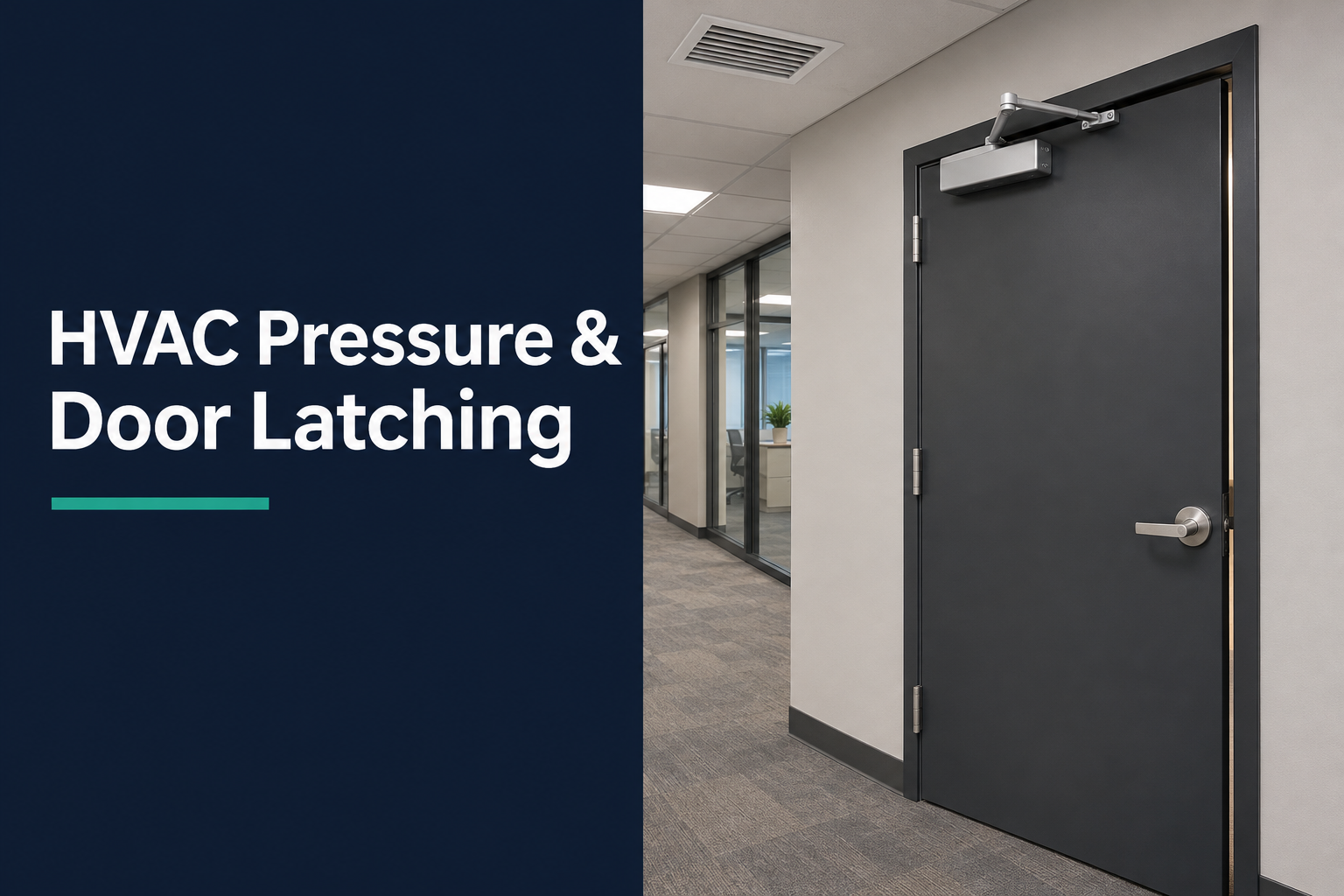
A commercial door that won't latch due to air pressure may work normally earlier in the day, then stop short when an exhaust fan starts. But a latch that barely clears its strike can show the same pattern. The change in HVAC operation gives you a useful condition to test, and the way the door stops helps you decide what to check next.
For a commercial swing door, compare the same opening under two normal operating modes. Record where the leaf stops, whether the latch reaches the strike, and which equipment is running. Those observations help the facilities team separate pressure effects from door hardware problems.

Quick Answer
If the door fails in both modes, start with rubbing, latch alignment, and the closer.
If it fails only in one mode, compare air pressure across the opening and check for contact at the strike.
If the latch hits the strike, inspect the contact point even when the symptom follows a fan schedule.
After any correction, verify full closing, latch engagement, and opening force where applicable.
How Air Pressure Can Keep a Door From Latching
Supply, return, and exhaust air can change the pressure difference between adjoining spaces. The ASHRAE Handbook chapter on ventilation and infiltration explains how pressure differences and leakage paths drive air movement between zones. Across a swing door, the net pressure force pushes toward the lower-pressure side. When that direction opposes closing, the closer must move the leaf against that force.
An exhaust fan, for example, can lower pressure in a room when replacement air is limited. If a door opens into that room, higher pressure in the corridor can push it in the opening direction. A door that closes toward the lower-pressure side may behave differently. Record the swing direction along with the fan state to tell which effect is plausible.
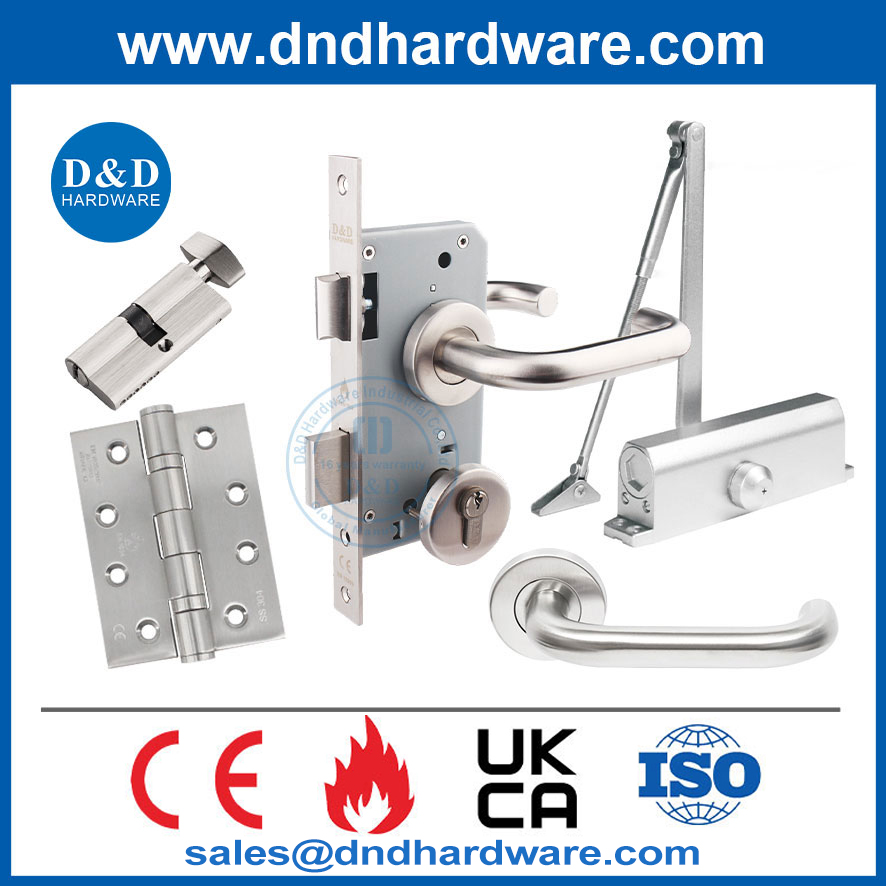
Compare the Same Door in Two Normal HVAC Modes
Start with the building's normal schedule. Compare a period when the door latches reliably with a period when the problem occurs. Use a similar starting angle, keep nearby door positions comparable, and let the door close on its own. For smoke control or other controlled openings, follow the facility's approved test procedure.
| What to record | Why it matters |
| Opening ID, swing direction, and closer model | Lets both teams assess the same door and hardware configuration. |
| Time, supply or exhaust state, and nearby door positions | Shows whether the symptom follows a recurring HVAC mode or a change in the airflow path. |
| Where the leaf stops | Separates a door that stalls before the strike from a latch that reaches it and binds. |
| Rubbing, strike marks, or seal contact | Identifies mechanical resistance that can contribute in either mode. |
| Pressure difference, reference side, and test conditions | Lets the HVAC team compare pressure direction and magnitude with the intended design. |
A draft at the gap is a reason to investigate. Ask the HVAC team to measure the differential pressure across the opening with the door closed under comparable conditions. Have them record which side is positive relative to the other and check readings during both modes. Where the problem occurs during a fan transition, ask them to log pressure and equipment status during that period.
Decide Whether to Start With the Door or the HVAC System
If the Door Stops Before the Latch Reaches the Strike
Check the sweep for floor rubbing, hinge binding, or seal contact. Note whether the leaf stops at the same position in both modes. When checking commercial door closers, record the model, mounting arrangement, visible leakage, and any loose arm connection. Those details help the hardware team judge whether the closer and door move as intended.
Consider a service-room door that swings into the room. Before the exhaust fan starts, it latches consistently. When the fan runs, the door repeatedly stalls just before the latch reaches the strike. If the HVAC team also measures lower room pressure during those failures, check the intended pressure relationship and replacement-air path. The pressure finding and the point where the door stalls help direct the next investigation.
If the Latch Reaches the Strike and the Door Bounces
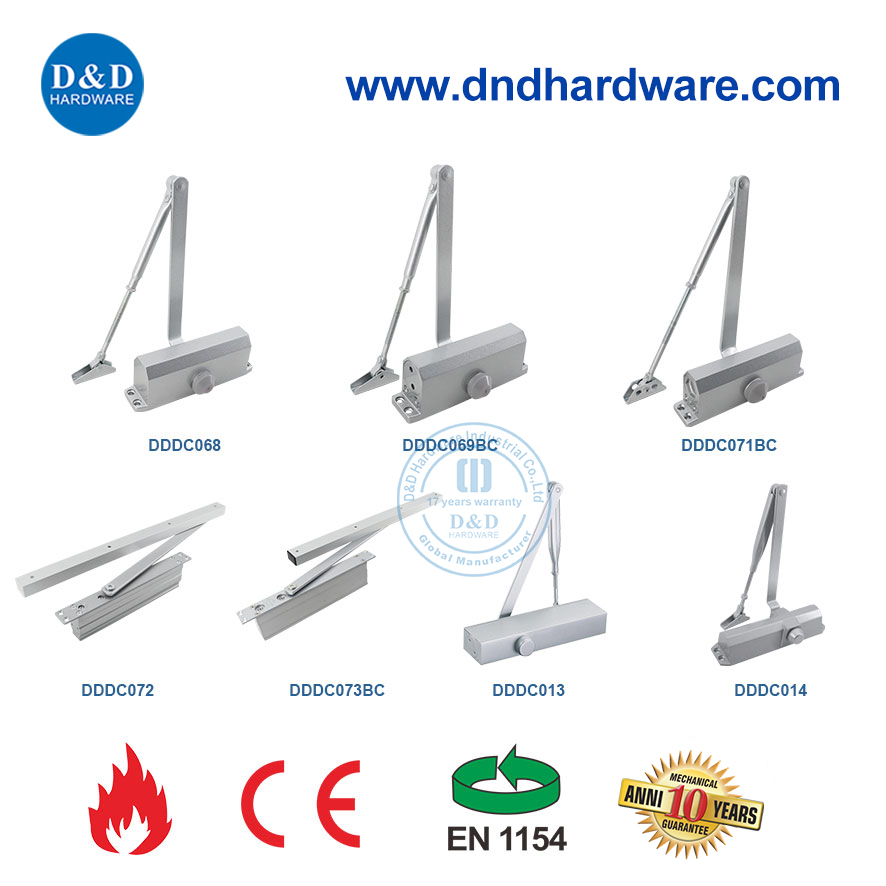
Look for fresh marks at the strike, a bolt that binds, or a leaf that shifts as it meets the frame. Check whether the latch bolt enters the strike opening when the door seats. Compare the same contact point in both HVAC modes.
A latch that grazes the strike in both modes may engage when the pressure difference opposing closing is smaller and fail when it increases. In that case, record both findings. The hardware team can assess the alignment, and the HVAC team can check whether the pressure remains within the design conditions. Retest after the relevant corrections to confirm which condition still affects the door.
If the Door Fails at the Same Point in Both Modes
Use the repeatable stopping point to guide the first hardware check. If the leaf rubs at the same edge every time, document that edge and inspect the door fit. If it reaches the frame but the latch fails to hold, look at the latch and strike together. A steady pressure difference can still contribute, so share any readings with both teams. This helps them separate a persistent mechanical fault from a pressure condition that stays present throughout the test.

Verify the Correction Before Changing Closer Size
Ask the HVAC team to compare the measured pressure with the intended pressure relationship for the space. Some rooms are designed to stay at a different pressure from the corridor. The team can review the supply, return, exhaust, and replacement-air paths for the operating mode that causes the fault.
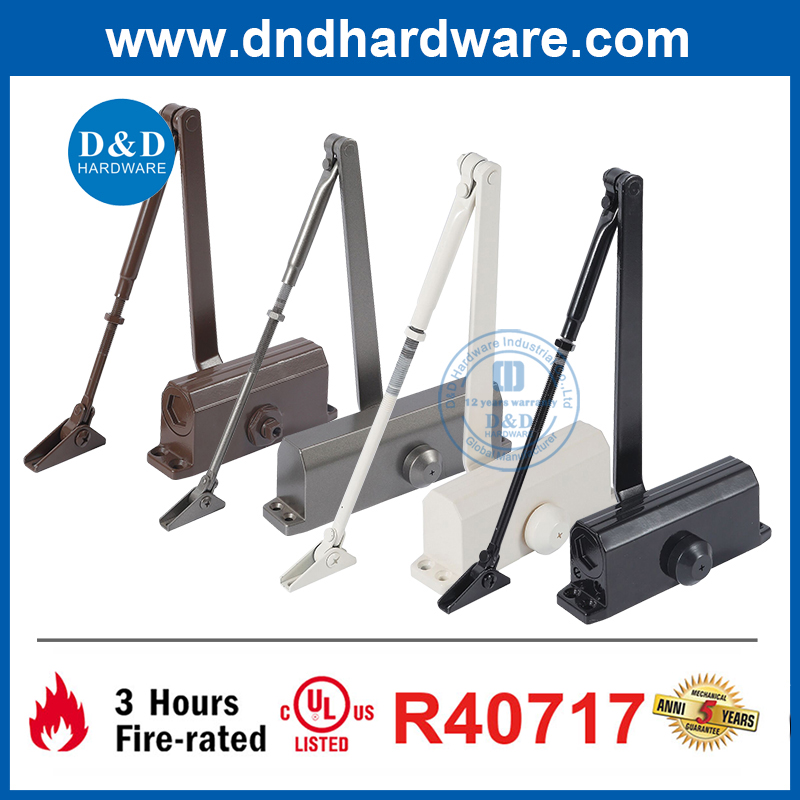
If the closer also needs replacement, compare hydraulic door closer options using the leaf dimensions, mounting arrangement, and the opening's requirements. Record whether the installed closer is surface-mounted or concealed. Include a photo of the arm or track if it is accessible, so the supplier can check the replacement against the actual mounting setup. A higher spring setting can increase opening effort. Check the applicable opening-force provisions, such as Section 404.2.9 of the U.S. ADA Standards for covered openings.
After the correction, repeat the closing check in the modes you recorded. Verify that the leaf closes fully, the latch holds it shut, and the door still opens as required. On a fire door, follow the applicable inspection and assembly requirements. The NFPA swinging fire door inspection checklist, based on the 2019 edition of NFPA 80, includes checks for complete closing and secure latching.
Conclusion
Use the change in HVAC operation to reproduce the fault. Record where the door stops and compare the same opening in two normal modes. A pressure reading, a clear view of the latch path, and a repeatable closing test give each team a basis for deciding what to correct.
Need help reviewing the closer for a commercial opening?
Send D&D Hardware the door size, swing direction, closer model, and observations from each operating mode. Include pressure readings if available. Request a door closer review.
FAQ
Why Does My Door Latch When a Nearby Door Is Open?
The nearby opening can change the airflow path and the pressure difference across the problem door. Log both door positions so the HVAC team can compare that observation with the normal design conditions.
Can Air Pressure Make a Door Slam Instead of Stop Short?
Yes. If pressure pushes the leaf in the closing direction, it can assist closing. Check the swing direction and pressure reference before interpreting either symptom.
Can a New Door Seal Cause the Latch to Miss?
A new seal can add resistance at the end of travel. It may also change the leakage path around the opening. Record the seal change and check both contact and pressure if the timing matches.
Is There One Pressure Limit for Every Commercial Door?
Use the design pressure for the space and the requirements that apply to the opening. Door size, swing direction, closer setup, and use all affect how the pressure difference changes door behavior.
What Should I Record if the Fault Happens Only at Fan Startup?
Note the exact time, which fan starts, where the door stops, and whether it works again once the system stabilizes. Ask the HVAC team to compare pressure during startup and steady operation.

Contact us Now:
Contact: David Jian
Mob:0086-139 2903 7292
Email: David@dndhardware.com, sales@dndhardware.com,
Contact: Jobby Zhang
Mob:0086-137 2599 9617
Email: jobby@dndhardware.com
D&D HARDWARE INDUSTRIAL CO.,LTD
ADD:12th Floor, Building 2, No.898, KeChuang Technical Zone, Jiangmen Avenue, Pengjiang District, Jiangmen City, Guangdong, China (Postcode:529000)
https://www.dndhardware.com
Tel: +86-750-3856396
Fax: +86-750-3856395


 English