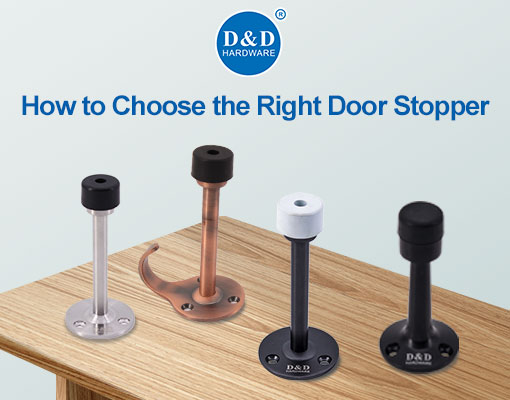
Choosing the right door stopper goes far beyond just preventing a door from hitting a wall. Especially in high-traffic environments or specialized spaces, door stoppers must meet durability, safety, and compatibility requirements across various door types and interior conditions.
At D&D Hardware, we manufacture and supply a wide range of tested and certified door control solutions, including premium-grade door stoppers for professional applications — from residential complexes to hospitals, hotels, and institutional buildings.
This guide will help you evaluate the key factors and find the best-fitting stopper for your door type, room usage, floor surface, and desired longevity.
Key Takeaways
Heavier or oversized doors require reinforced stoppers for long-term reliability.
Flooring type influences stopper performance — some designs don't hold on carpet or tile as well as others.
Choose finishes and styles that integrate with the overall space — especially important in visible public areas and premium interiors.
Rust-resistant materials like stainless steel or rubber-coated iron perform best in bathrooms and humid environments.
Correct placement and installation are key — both for safety and stopping impact effectively.

How to Choose the Right Door Stopper
Assess Door Weight and Size
You need to look at your door before picking a door stopper. Heavy doors need strong and sturdy stoppers. If your door is light, you can use a simple stopper. Oversized doors or exterior doors often require more durable options. You want to prevent damage and keep your door from swinging too far. If you use the door a lot, choose a stopper that can handle frequent impacts.
Here's a quick guide for heavy or oversized doors:
Door Stopper Type | Best For | Avoid On | Installation Tips |
Floor Stops | Heavier/exterior doors | Carpet, marble/ceramic | Place where the knob impacts, ensure cleaning clearance |
Baseboard Stops | Most interior doors | N/A | Install on baseboard at impact point, angle for proper contact |
Hinge Door Stops | Doors near cabinets/fixtures | N/A | Install by adjusting hinge pin, set max swing with rubber pads |
If you wonder how to choose the right stopper for a busy door, remember that heavier doors need a stopper made from tough materials. This keeps your walls safe and your door working smoothly.
Consider Flooring and Room Use
Your floor type matters when you pick a door stopper. Hardwood, tile, and carpet all need different stoppers. Some stoppers work best on hard floors, while others fit well on carpet. You also need to think about the room. Bathrooms and kitchens often have moisture, so you want a stopper that resists rust and water.
Check out these options for high-moisture rooms:
Product Name | Company Name | Key Feature |
304 Stainless Steel Wall Mounted Bathroom Door Stop | D&D Hardware Industrial Co., Limited | High-volume pricing advantage |
New Door Stopper Anti-wind Ground Mounted Silent Door Bumper | Lanzhou Qilan International Trade Co., Ltd. | No drilling required |
Modern Style Rubber Bumper Glass Shower Door Stop | Jiangmen S.r.i Hardware Co., Ltd. | Glass door compatible |
If you use a door stopper in a room with lots of traffic, pick one made from strong materials. Aluminum, steel, and stainless steel last longer and resist damage. Floor-mounted stoppers are great for places where big equipment moves through doors. They can take a lot of hits and keep working.
Match Style and Durability
You want your door stopper to look good and last long. Choose a style that fits your room. Many stoppers come in different finishes and designs. You can find one that matches your home's look. Some stoppers blend in, while others stand out as a design feature.
Pick a finish that goes with your hardware and decor.
Look for a design that fits your taste.
Make sure the stopper is compatible with your door and wall.
For durability, check the material. Stainless steel works well in wet rooms. Aluminum is light and resists corrosion. Plastic is cheap and doesn't rust. Steel is strong for everyday use.
Tip: If you're not sure how to choose the right door stopper, start by matching the stopper's material and style to your room's needs. This helps you get both function and beauty.
You can find a door stopper that protects your space, matches your style, and lasts for years. Take your time and look at all the options. You'll make your home safer and more comfortable.
Types of Door Stoppers Explained
You have plenty of choices when it comes to picking a door stopper. Let's break down the different types of door stoppers so you can see which one fits your needs best.
Floor-Mounted Door Stoppers
Floor-mounted door stoppers sit right on the floor. You usually see them in places with heavy doors or high traffic. These stoppers stay put and give your door a solid stop. They work well for entryways and commercial spaces.
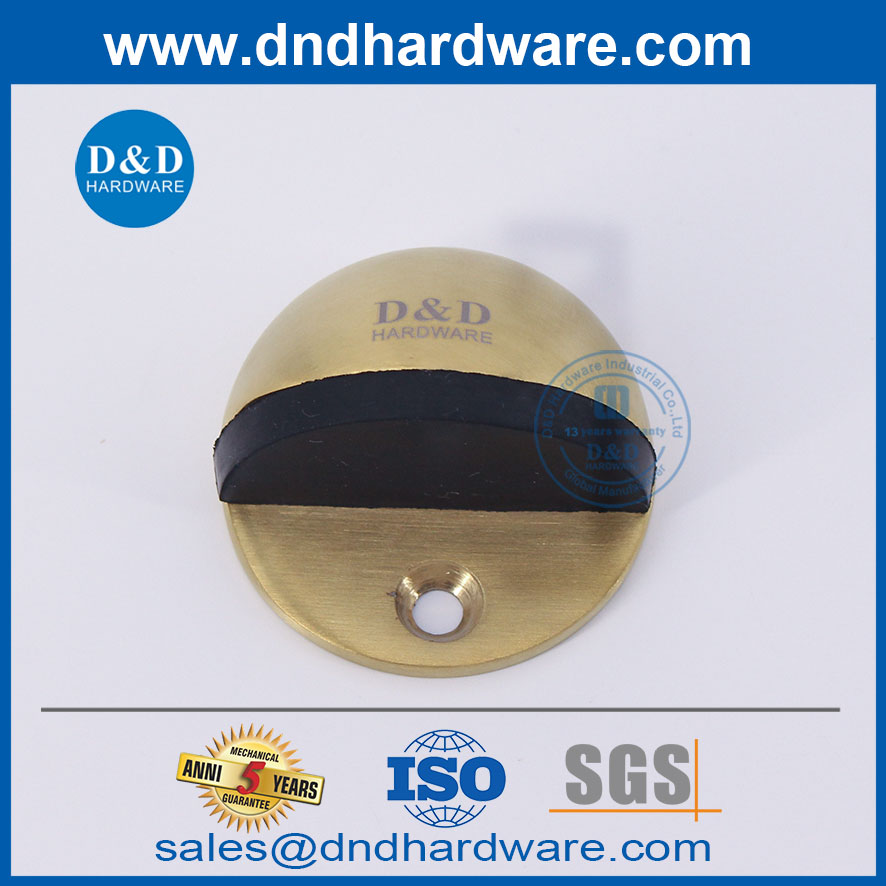
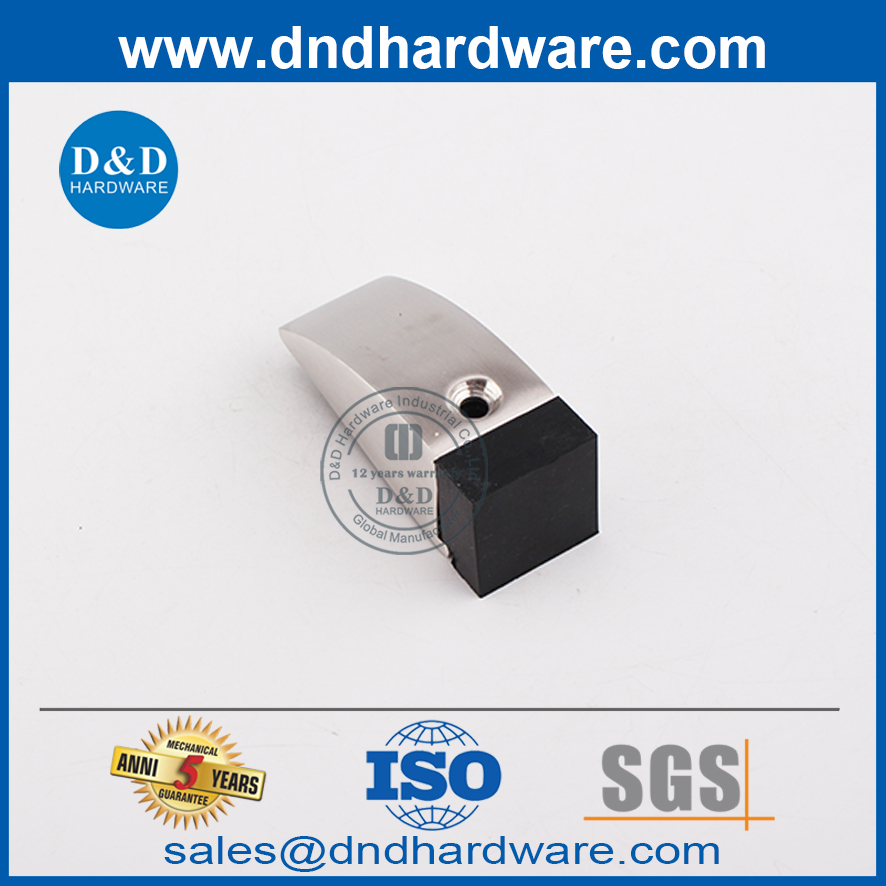
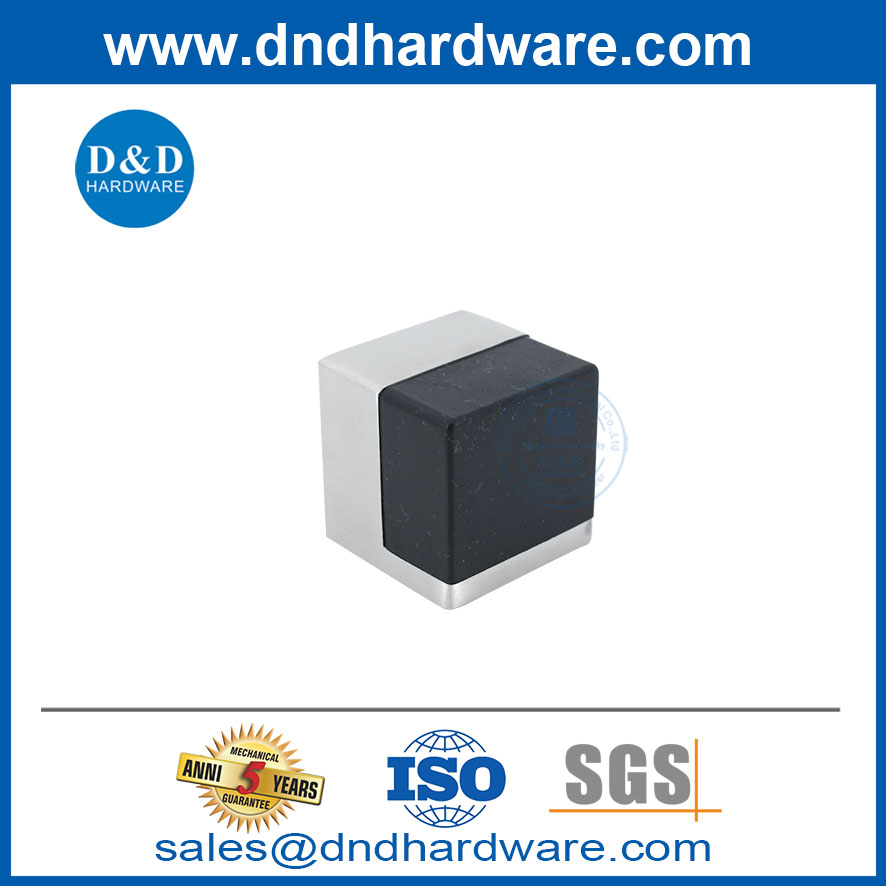
Here's a quick look at their pros and cons:
Advantages | Disadvantages |
Stability: Handles heavy doors easily | Tripping hazard: Not ideal for kids or seniors |
Less wall damage: Protects walls and furniture | Cleaning obstacle: Can block vacuum or mop |
You want a floor-mounted door stopper if you need something sturdy and permanent. These stoppers protect walls and furniture from damage. They work best for wood, metal, or glass doors.
Baseboard and Wall-Mounted Stoppers
Baseboard and wall-mounted stoppers help keep your walls safe. They absorb the impact when you swing the door open. You can use them in bedrooms, bathrooms, or anywhere you want to avoid dents and scratches.
If you want to install one, follow these steps:
Find the spot where the door hits the wall or baseboard.
Mark the position.
Drill a hole.
Secure the stopper.
Test the door movement.
These stoppers fit most door materials and work well in homes with kids or pets.
Hinge Pin and Clamp-Style Stoppers
Hinge pin and clamp-style stoppers attach right to the door hinge. You don't need to drill holes in your wall or door.
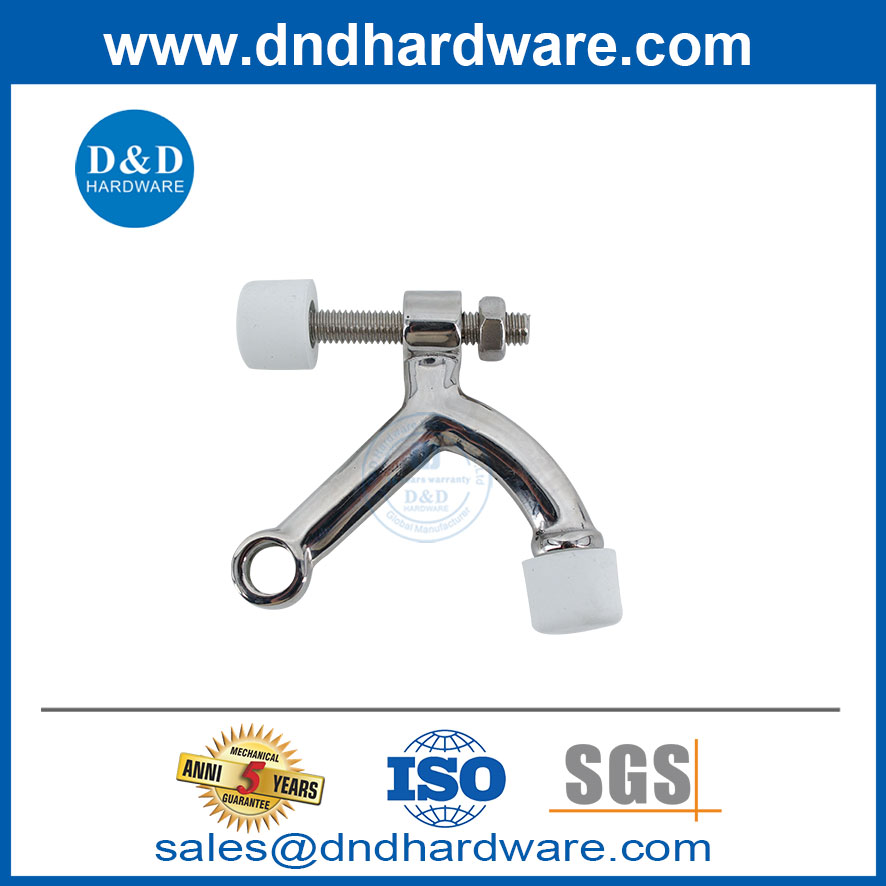
They look neat and stay out of the way. You can use them for doors near cabinets or tight spaces.
Benefit | Description |
Easy Installation | Slips onto hinge pin, no tools needed |
No Wall/Door Damage | Keeps surfaces intact |
Discreet Appearance | Blends with hardware, avoids clutter |
These stoppers work well for wood and metal doors.
Magnetic and Decorative Options
A magnetic doorstop holds your door open with a magnet. You can release it easily. This type is great for rooms where you want the door to stay open, like kitchens or offices. Magnetic doorstop models blend with your decor and give a clean look.
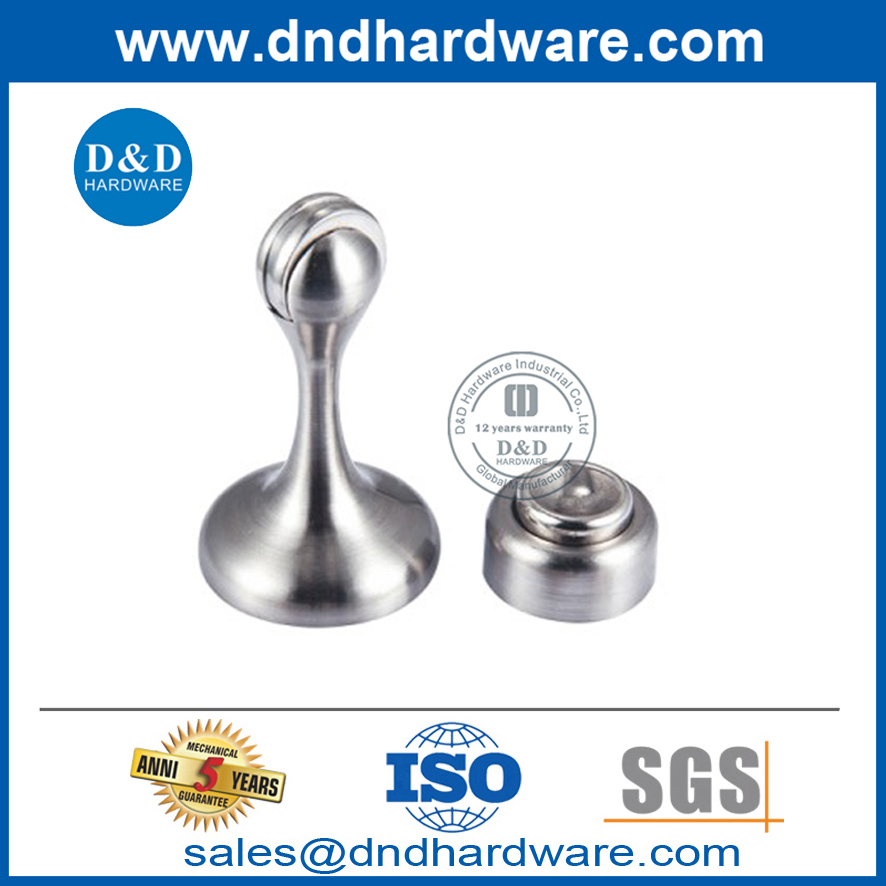
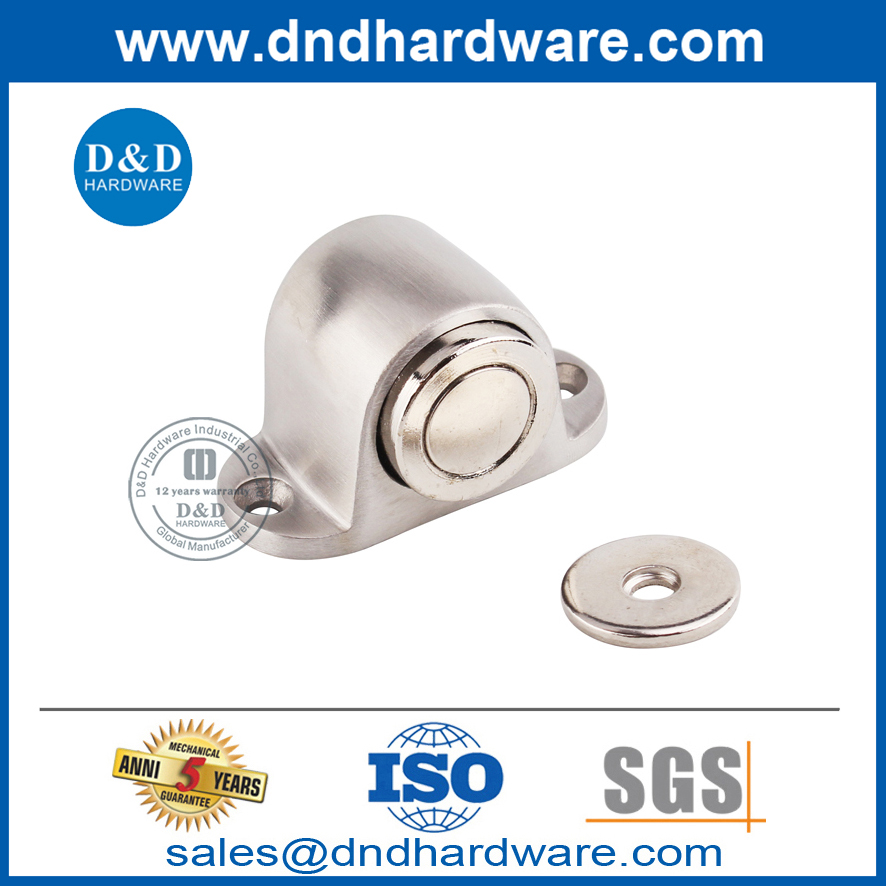
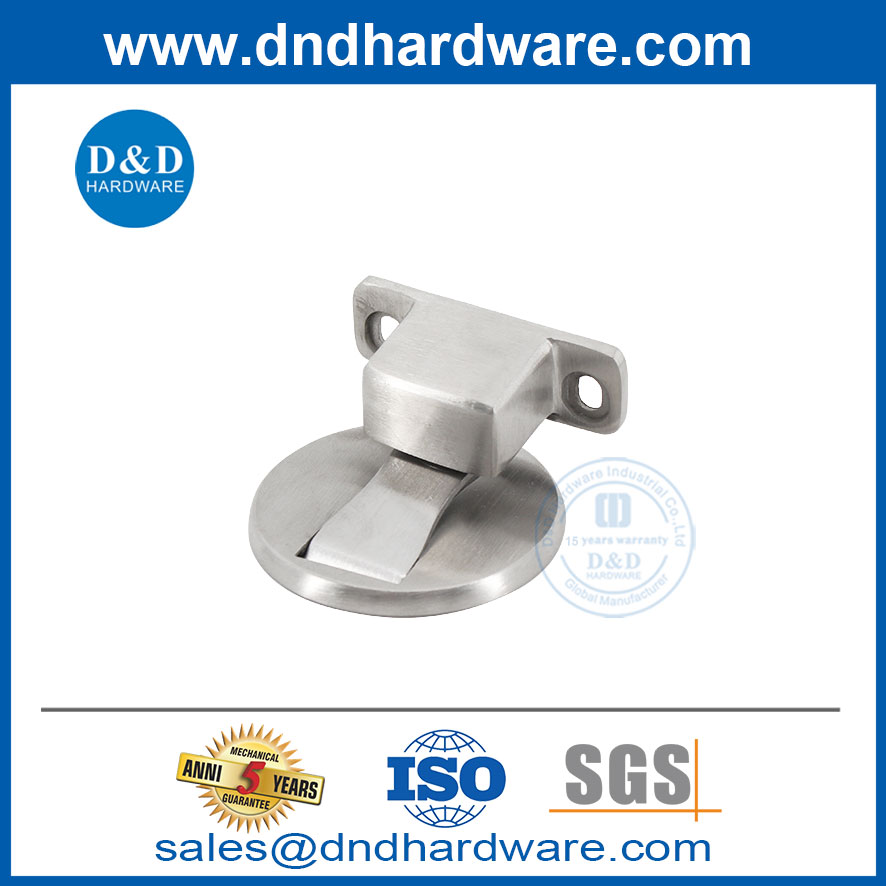
Decorative door stoppers add style to your space. You can pick from fun shapes, animal designs, or classic finishes. They protect walls and furniture while making your room look cool.
Type | Functionality | Aesthetics |
Magnetic Door Holders | Holds doors open, easy to use | Clean, blends with decor |
Decorative Door Stops | Protects walls, made from quality materials | Many styles and finishes |
Some popular designs include cast iron conch, nautilus shell, and cute animal shapes. You can match your door stopper to your room's theme.
You now know about the different types of door stoppers. Spring door stops flex to absorb force. Solid door stops halt movement. Floor-mounted, wall-mounted, hinge pin, and magnetic doorstop options all have their place. Try a few and see which fits your door and room best.
Best Door Stopper by Room
Entryways and Heavy Doors
You want a door stopper that can handle lots of movement and weight in entryways. Heavy doors need a strong, floor mounted door stopper. These stoppers stay in place and protect your walls from damage. You can use brass or stainless steel for extra durability. Entryways often see high traffic, so you need a stopper that lasts.
Needs: Withstands frequent movement and weight.
Ideal Stopper: Heavy duty, floor mounted.
Why: Provides solid hold in high-traffic areas.
Tip: Heavier doors benefit from solid stops or floor stops, due to their improved durability.
Bathrooms and Small Spaces
Bathrooms have high humidity and condensation. Moisture can cause problems like warping and mold. You should pick a door stopper made from stainless steel or rubber. These materials resist water and last longer. Wall mounted stoppers save space and prevent wall damage. Small rooms need stoppers with minimal stopping power.
High humidity can damage wood.
Moisture leads to mold growth.
Choose rust-resistant materials for bathrooms.
Bedrooms, Kitchens, and Living Areas
You spend a lot of time in these rooms. Bedrooms and kitchens need soft, quiet stoppers. Rubber door stoppers reduce noise and protect doors. Magnetic door stoppers work well in living rooms and home offices. They hold the door in place and look sleek. Foam stoppers are safe for children's rooms. Wall mounted stoppers save space and prevent dents.
Type | Best for | Material | Pros |
Magnetic door stopper | Living rooms, home offices | Stainless steel, zinc | Sleek look, holds the door in place |
Rubber door stopper | Bedrooms, kitchens | Rubber | Soft impact, noise reduction |
Foam door stopper | Children's rooms | EVA foam | Soft, safe edges, easy to handle |
The durability requirements depend on how often you use the door. High-traffic areas need strong materials. Less busy rooms can use lighter options.
Glass Doors and Special Cases
Glass doors need gentle stoppers. Clamp or silicone door stoppers protect glass and don't require drilling. Security door stoppers block exterior glass doors for safety. Hook doorstops keep doors open for a long time. Sliding door stoppers work for pocket doors and reduce impact.
Security door stoppers: Block doors from opening outside.
Hook doorstop: Installed in the floor, keeps doors open.
Sliding door stopper: Wall-mounted, minimizes impact.
You can find the best door stopper for every space by looking at room-specific choices. Match the stopper to your door and room needs. Pick the suitable one for each room and enjoy a safer, more comfortable home.

Installation and Safety Tips
Proper Placement and Height
Getting the placement right makes your door stopper work better and keeps your home safe. Always check where your door hits the wall or floor. Place the stopper so it catches the door before it can cause damage. For a floor-mounted door stopper, put it where the door handle or edge would hit the wall. Wall-mounted stoppers should line up with the door's swing path. If you use a kick-down doorstop, install it low on the door so you can reach it easily with your foot.
Tip: Avoid putting a floor-mounted stopper on thick carpet. It may not stay secure or work as intended. Try a wall-mounted option instead.
Tools and Steps for Easy Install
You don't need fancy tools to install most door stoppers. Usually, you just need a drill, screwdriver, measuring tape, and a pencil. Here's a quick guide:
Measure and mark the spot for your door stopper.
Check that the area is level and clear.
Drill holes if needed. Some stoppers, like the kick-down doorstop, need screws.
Attach the stopper firmly. Make sure it doesn't wobble.
Test the door to see if the stopper works.
If you want a no-drill option, look for adhesive or clamp-on stoppers. These work well for renters or anyone who wants a quick fix.
Maintenance and Replacement
Keep your door stopper in good shape by checking it every few months. Tighten any loose screws and clean off dust or dirt. If you notice the stopper isn't holding the door or looks worn out, replace it right away. High-traffic areas and heavy doors may need more frequent checks. A kick-down doorstop can wear out faster if you use it often, so keep an eye on it.
Common mistakes to avoid:
Picking the wrong type for your door's weight or floor.
Placing the stopper too high or too low.
Not securing the stopper tightly.
Ignoring the type of floor or wall you have.
Safety first! Always follow the manufacturer's instructions and use the right tools for the job.
Designed for Demanding Applications
Whether you're outfitting an apartment development, a healthcare corridor, or an educational facility, you'll want long-lasting models that meet regional safety and performance codes.
All D&D Hardware's door stoppers are:
Third-party tested to CE/UL/ANSI/BHMA standards
Compatible with fire-rated door assemblies
Eligible for custom packaging or project-specific labeling support
Dedicated project coordination ensures we deliver consistent product lines that fulfill architectural and mechanical specifications.
Looking for Quotation or Custom Options?
As a factory-tested hardware provider with global clients from Europe, the Middle East, and Southeast Asia, we deliver tailored solutions including:
Let's talk about your next project!
Conclusion
You can pick the right door stopper by matching the type to your door and room. Think about what you need and where you will use it. Here's a quick checklist to help you shop:
Pick materials like wood, rubber, metal, or magnetic for style and strength.
Choose the right type: stick-on, screw-in, hinge mount, roller, floor, or wall mount.
Decide where to mount it—on the floor, wall, or hidden spot.
With our extensive manufacturing background, global certifications, and product consistency, you'll find everything you need for both reliability and design alignment. Take action today for safer, quieter rooms!
FAQ
What are the main door stopper types?
You can choose from floor-mounted, wall-mounted, hinge pin, magnetic, and decorative options. Each type works best in different rooms and for different doors. Try to match the stopper to your needs.
How do I pick the right door stop types for my home?
Look at your door's weight, room function, and flooring. Heavy doors need sturdy stoppers. Bathrooms need rust-resistant ones. You can find a style that fits your space and keeps your home safe.
Can I install a door stopper without drilling?
Yes, you can use adhesive or clamp-on stoppers. These options work well for renters or anyone who wants a quick fix. You just stick or clamp them in place. No tools needed.
How often should I check or replace my door stopper?
Check your stopper every few months. Tighten loose screws and clean off dirt. Replace it if you see damage or if it stops working. High-traffic areas may need more frequent checks.
Are decorative door stoppers as strong as regular ones?
Decorative stoppers can protect your walls and look great. Some are made from strong materials like cast iron or stainless steel. Always check the product details to make sure it fits your needs.
Contact us Now:
Contact: David Jian
Mob:0086-139 2903 7292
Email: David@dndhardware.com, sales@dndhardware.com,
Jobby Zhang
Mob:0086-137 2599 9617
Email: jobby@dndhardware.com


 English